Bu yazıyı yapay zeka ile özetle
Tercih ettiğin aracı seçerek yazının kısa bir özetini oluştur.
How to build a global fulfillment network for your store
A global fulfillment network is the combination of warehouses, carriers, customs processes, and technology that gets an order from your store to a customer anywhere in the world. If you sell across borders, this network decides whether a package arrives in five days or five weeks, and whether your margins survive the trip. This guide walks through what the network actually contains, how to assemble it, and where most store owners get stuck.
Key points covered in this guide:
What a global fulfillment network includes and why it differs from domestic shipping
The building blocks: warehousing, carrier comparison, and customs paperwork
A step-by-step workflow for launching your first international setup
Who benefits most right now versus who should wait
Mistakes that slow down cross-border orders, and how platforms like Navlungo remove manual steps
Table of contents
1. What is a global fulfillment network for your store
2. Why a global fulfillment network matters for growing stores
3. The core building blocks of an international fulfillment setup
1. Warehousing and stock placement across borders
2. Comparing carriers and shipping rates
3. Customs, duties, and cross-border paperwork
4. A step-by-step workflow to launch your first fulfillment network
5. Who should build a global fulfillment network now
6. Common mistakes that slow down international fulfillment
7. Keeping your fulfillment network efficient as order volume grows
8. Frequently asked questions
What is a global fulfillment network for your store
A global fulfillment network is the chain of storage, transport, and customs steps that move inventory from your business to buyers in other countries. It's not one vendor. It's a set of connected pieces: warehouses near your customers, carriers who move the freight, and the paperwork that lets a package legally cross a border.
For a single-country store, fulfillment usually means one warehouse and one or two shipping partners. Once you sell into multiple countries, that model breaks down fast. Different customs rules, currencies, and delivery expectations mean you need a system, not a single contract.
Platforms like Navlungo exist to make that system manageable from one dashboard, letting store owners compare shipping offers across more than 130 countries instead of negotiating with each carrier separately.
Why a global fulfillment network matters for growing stores
A weak fulfillment setup shows up as slow delivery, surprise customs fees, and lost sales the moment you expand past your home market. Buyers abroad compare your delivery speed and total cost against local sellers, and a bad experience rarely gets a second chance.
A working global fulfillment network changes three things directly:
Delivery time: stock placed closer to the buyer, or a carrier chosen for speed rather than convenience, cuts days off transit.
Landed cost: the total price a buyer pays including shipping and duties, which determines whether your product looks competitively priced or overpriced.
Order accuracy: fewer manual handoffs between systems means fewer packages sent to the wrong address or held at customs for missing documents.
Stores that integrate their marketplace accounts, for example through Navlungo's Amazon yurt dışı kargo or eBay yurt dışı kargo connections, can pull shipping quotes automatically the moment an order lands, instead of pricing each shipment by hand.
The core building blocks of an international fulfillment setup
Every global fulfillment network, no matter the size of the store, rests on the same three pillars: where you store inventory, who carries it, and how it clears customs.
Warehousing and stock placement across borders
Warehousing is where you physically hold inventory before it ships to a buyer. Placing stock in a warehouse near your biggest markets, rather than shipping every single order from your home country, shortens delivery windows and reduces per-order freight cost. A store that sells heavily into Germany, for instance, benefits from stock or fulfillment support routed through Almanya kargo options rather than shipping each order individually from Turkey.
Comparing carriers and shipping rates
A carrier is the company that physically transports your package, such as DHL, FedEx, or a regional courier. Rates and transit times vary widely between carriers for the same route, which is why comparing offers before booking matters more internationally than domestically. Navlungo's model works like comparing flight tickets: you see multiple carrier quotes side by side, including options like DHL yurt dışı kargo and FedEx yurt dışı kargo, and pick the one matching your budget and speed needs.
Customs, duties, and cross-border paperwork
Customs duties are taxes a destination country charges on imported goods, and they're calculated differently depending on the product category and destination. Getting this wrong means either a shipment stuck at the border or a customer hit with an unexpected bill. For US-bound shipments specifically, tools such as the ABD Gümrük Vergisini Hesapla calculator let you estimate duty costs before you ship, so pricing and customer expectations stay accurate.
A step-by-step workflow to launch your first fulfillment network
Building a global fulfillment network doesn't require signing contracts with a dozen carriers on day one. It requires a sequence.
1. Map your top destination markets based on where orders already come from or where demand is growing.
2. Integrate your store or marketplace account into a shipping platform so order data flows automatically instead of manual entry.
3. Request and compare shipping quotes for your typical package weight and size across eco, express, and standard service tiers.
4. Check customs requirements for your product category in each destination before the first shipment goes out.
5. Upload shipping documents and pay online to complete the booking, then track the shipment from pickup to delivery.
6. Review delivery times and costs after the first batch of orders and adjust carrier choice or stock placement accordingly.
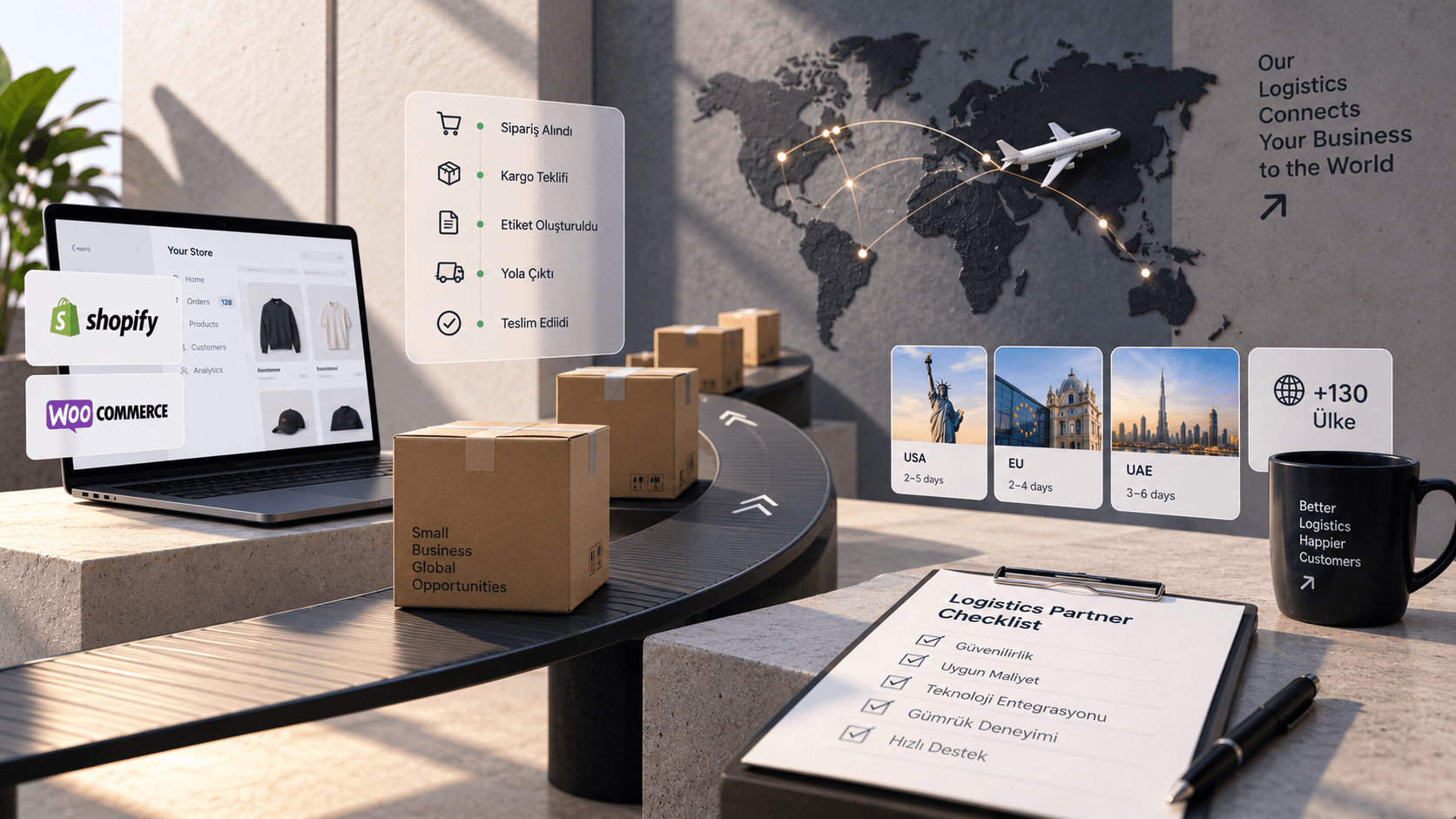
This is close to the workflow Navlungo's platform follows: connect your store, get a quote, compare options, then track the shipment through delivery, all from one panel rather than juggling separate carrier accounts.
Who should build a global fulfillment network now
A global fulfillment network pays off fastest for stores that already have repeat international orders or a marketplace presence outside their home country. If you're selling on Etsy yurt dışı kargo routes, shipping into the Amerika kargo market, or fulfilling orders into places like Dubai kargo or Çin kargo destinations, manual quote requests become a bottleneck quickly.
Stores still testing a single foreign market can often start smaller: one or two carrier comparisons per shipment, without a full network. The shift toward automation makes sense once order volume from abroad becomes a regular, not occasional, part of revenue.
Common mistakes that slow down international fulfillment
Most delays in cross-border fulfillment trace back to a handful of avoidable errors.
Skipping customs documentation checks until after the package is already booked, which causes holds at the border.
Choosing one carrier by default instead of comparing rates for each shipment, which quietly inflates shipping spend over time.
Ignoring landed cost when pricing products, leading to customers abandoning carts once duties get added at checkout.
Treating every destination the same way, when customs rules and delivery norms differ by country.
Each of these is solvable with a platform that surfaces carrier quotes and duty estimates before you commit to a shipment, rather than after.
Keeping your fulfillment network efficient as order volume grows
A global fulfillment network built for ten orders a month won't necessarily hold up at a thousand. As volume grows, the manual steps that were tolerable become the bottleneck: quote requests, document uploads, and tracking updates all multiply.
Automating the connection between your store and your shipping partners, so a new order automatically triggers a quote request and a tracking link, is what keeps the process manageable at scale. This is the core function of integrating a marketplace or storefront directly into a shipping panel rather than handling each shipment as a one-off task.
Frequently asked questions
What is a global fulfillment network in simple terms
It's the combined system of warehouses, carriers, and customs processes that gets your product from your store to a buyer in another country. Instead of one shipping contract, it's a set of connected options you can compare and choose from for each shipment.
How long does it take to set up international fulfillment
A basic setup, meaning store integration and carrier comparison, can be running within days once your store or marketplace account connects to a shipping platform. Adding warehousing in additional countries takes longer and depends on inventory and volume commitments.
Do I need a warehouse in every country I sell to
No. Many stores ship directly from their home country using international carriers, and only add local warehousing in markets where order volume justifies the extra cost. Warehousing mainly helps when delivery speed in a specific market becomes a competitive issue.
How are customs duties calculated for international shipments
Customs duties depend on the product category, declared value, and destination country's tariff rules. For US-bound shipments, a duty calculator like Navlungo's ABD Gümrük Vergisini Hesapla tool gives an estimate before you book the shipment.
Can I compare multiple carriers without contracts with each one
Yes. Platforms built for cross-border shipping let you request quotes from many carriers at once and book the one you choose, similar to comparing flight prices, without a separate contract per carrier.
What's the biggest risk of not having a fulfillment network
The biggest risk is inconsistent delivery: some orders arrive fast and cheap, others get delayed at customs or cost far more than expected. Without a structured network, pricing and customer experience abroad become unpredictable.
A global fulfillment network isn't built in one step, and it doesn't need to be. Start by integrating your store, comparing a few carrier quotes for your busiest route, and checking customs requirements before you ship. From there, get a shipping quote and see how the pieces fit for your own store.