Summarize this text with artificial intelligence
Choose your preferred tool to generate a short summary of the text.

The digital transformation drastically changing the logistics industry is one of the most important developments that makes international shipping processes faster, safer, and more efficient. Technologies such as artificial intelligence, automation, blockchain, IoT (Internet of Things), and smart warehousing systems optimize logistics operations, thereby reducing costs and shortening delivery times.
Today, logistics technologies have not only improved transportation processes but have also made supply chain management more transparent and traceable, thanks to data analytics and automation systems. By adopting digital transformation strategies, logistics companies can offer faster, more reliable, and lower-cost services. If you are curious about the key components and innovative solutions of digital transformation in the logistics sector, let us take a look at the details together.
The Importance of Digitalization in Logistics

Digitalization in the logistics sector increases operational efficiency and minimizes manual processes. While logistics operations carried out with traditional methods face difficulties such as high costs, human errors, and long processing times, digital solutions make these processes more efficient and cost-effective. Smart tracking systems, cloud-based logistics management, and real-time data analytics make supply chain processes transparent and manageable.
Particularly in e-commerce and international transportation, the role of digitalization has grown substantially. Solutions like order management systems (OMS), warehouse management systems (WMS), and transportation management systems (TMS) allow companies to manage their logistics processes end-to-end. Digitalization is not just about speeding up operations; it is an important factor that increases customer satisfaction.
Advanced data analytics and big data technologies also offer significant advantages to logistics companies in forecasting future demands and creating the most convenient shipment plans. Data-driven decision-making processes play a critical role in lowering logistics costs and shortening shipment times.
Artificial intelligence (AI) and machine learning-based systems have made logistics processes smarter and more predictable. AI-supported route optimization, inventory forecasting, and automated order management offer businesses faster and more cost-effective solutions, providing a competitive edge. For instance, AI algorithms can analyze historical order data to predict demand fluctuations and determine the most appropriate stock levels. In this way, costs arising from excess inventory are avoided, and the risk of running out of stock is minimized, leading to quicker responses to customer demands. Such smart solutions provided by digitalization accelerate the transformation of the sector by offering higher efficiency and lower cost advantages at every stage of logistics operations.
The Impact of Artificial Intelligence and Automation on Logistics
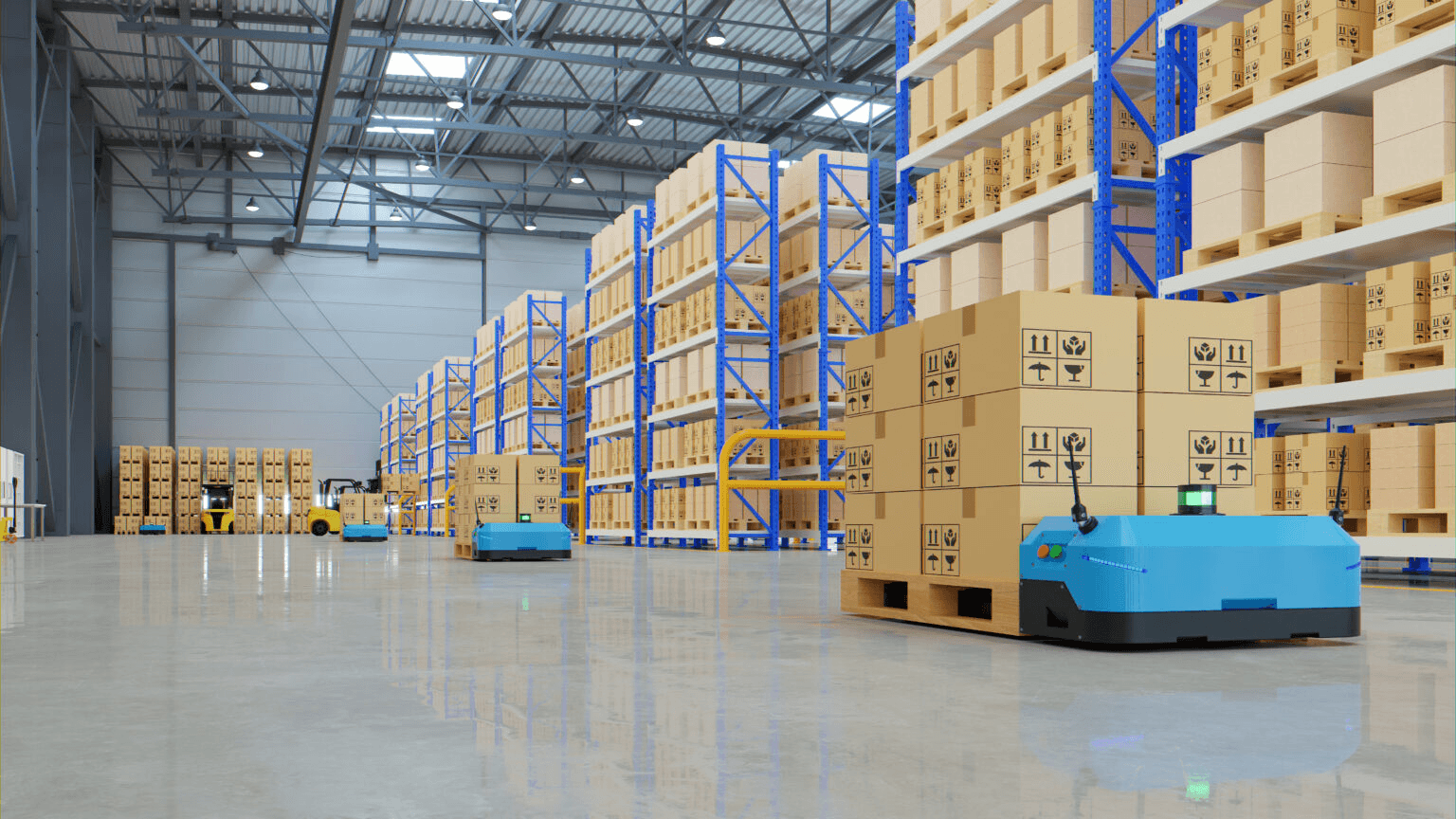
Artificial intelligence (AI) and automation accelerate the transformation of the sector by providing speed, efficiency, and cost advantages in logistics processes. AI-based systems minimize human intervention in critical processes such as demand forecasting, route optimization, warehouse management, and inventory control, thereby increasing operational efficiency.
Logistics planning systems supported by machine learning can optimize cargo routes by minimizing the delivery time of orders. For example, AI-supported smart route planning systems can analyze factors like traffic, weather conditions, and warehouse locations to determine the most convenient transportation plans. This minimizes fuel consumption and transportation times, thus reducing logistics costs.
Autonomous vehicles and robotic systems also speed up order processing in warehouses, thereby reducing error rates. Robots used in Amazon's logistics centers speed up warehouse operations, ensuring faster processing of orders. These kinds of innovations help businesses increase their competitive advantage while reducing human-induced errors.
AI-supported chatbots and automated customer service solutions are among the key innovations that enhance customer satisfaction in the logistics sector. AI-based virtual assistants improve the customer experience by providing instant answers to shipment tracking, delivery status inquiries, and frequently asked questions regarding logistics processes. Additionally, AI-powered predictive maintenance systems help perform scheduled maintenance on time by identifying potential failures in advance to ensure the efficient operation of logistics vehicles and warehousing equipment. This minimizes operational disruptions and ensures seamless management of logistics processes, making delivery times more predictable and reducing costs.
Smart Warehousing Systems

With digital transformation, smart warehousing solutions have gained great importance in logistics. Automated warehouse management systems (WMS), robotic shelving systems, and RFID technologies optimize warehousing processes, making product movements more efficient. Particularly, AI-supported inventory management systems can prevent unnecessary excess stock by forecasting demand. Consequently, while warehousing costs decrease, the procurement process of products becomes faster and more efficient. Since smart warehouses ensure faster preparation of orders, they increase customer satisfaction and shorten delivery times.
On the other hand, autonomous forklifts and robotic transport systems speed up internal workflows in warehouses, thereby reducing labor costs. Advanced barcode systems and IoT-based tracking solutions increase the transparency of logistics processes by tracking inventory in real time.
Blockchain and Logistics Integration
Blockchain technology is one of the most innovative solutions that increases transparency and security in logistics processes. Being resistant to data manipulation, blockchain systems eliminate the risk of fraud by ensuring a reliable flow of information in supply chain processes. Especially in international transportation, the use of blockchain enables the secure sharing of shipment documents and cargo tracking information. Thanks to smart contracts, all parties involved in the transportation process can track workflows transparently, thereby preventing delays. Additionally, blockchain-based logistics platforms offer companies major advantages such as accelerating customs procedures, detecting counterfeit products, and increasing supply chain security.
Increasing Logistics Efficiency using IoT
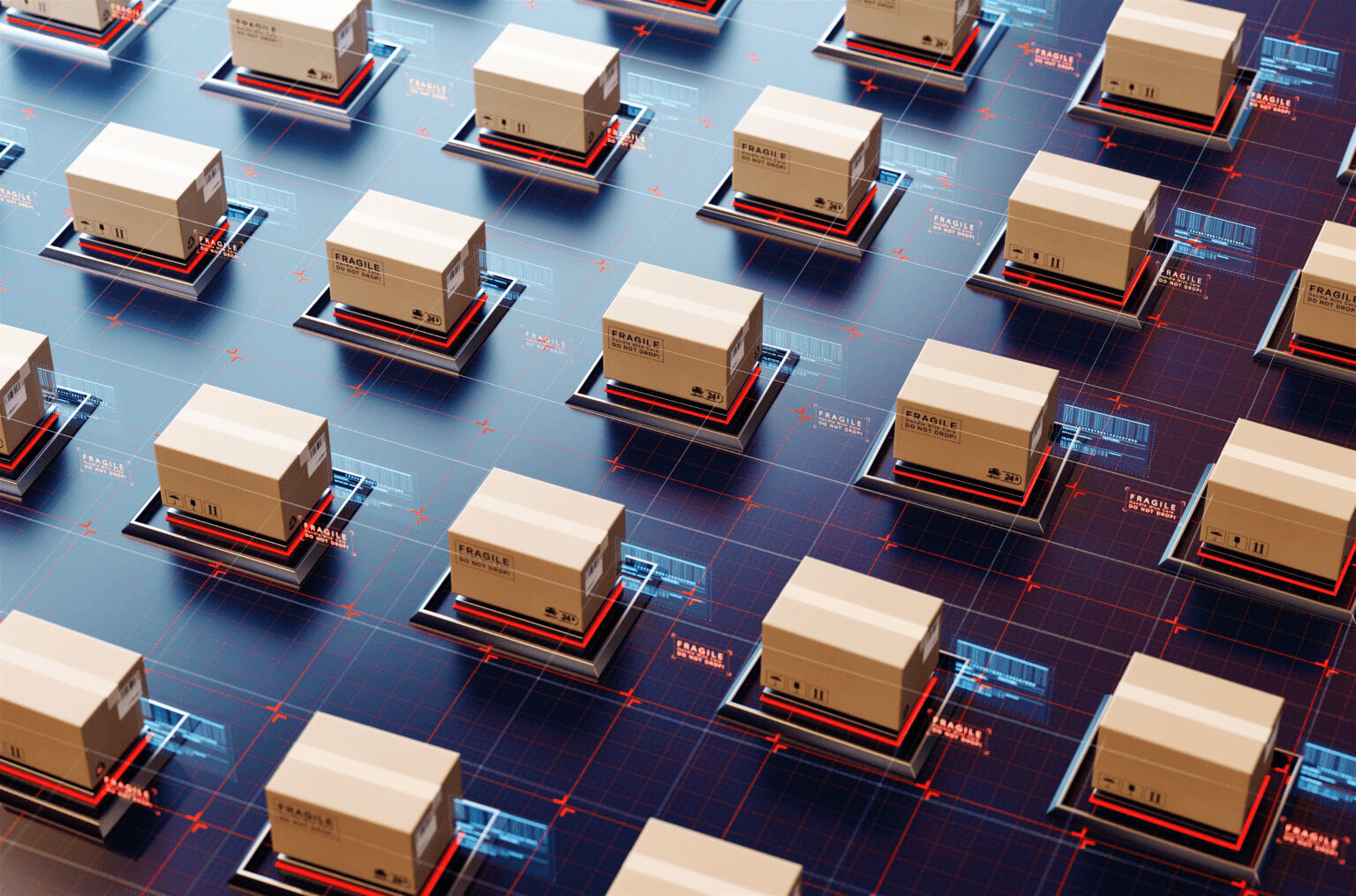
IoT (Internet of Things) has also optimized transportation processes by offering real-time tracking and efficiency-boosting solutions in the logistics industry. While GPS-supported cargo tracking systems enable instant monitoring of transported freight, sensor-based temperature and humidity control solutions help safely transport sensitive products. For example, the use of IoT in cold chain logistics ensures real-time monitoring of temperature and humidity levels during the transport of perishable goods. Thus, in case of any negative situation, automatic warning systems are activated, enhancing the safety of logistics operations. Moreover, IoT-based smart warehouse solutions help lower excess inventory costs and speed up delivery times by optimizing stock management.
The Impact of Digital Transformation on Costs
Digitalization is one of the most important factors optimizing costs in the logistics industry. Automation, AI, IoT, and blockchain technologies increase operational efficiency by accelerating logistics processes and reducing human errors to a minimum.
In particular, reducing fuel consumption, optimizing warehousing expenses, and making shipment routes more efficient significantly lower the costs of logistics companies. AI-powered route planning systems reduce logistics expenses by identifying the most suitable routes to complete transportation processes as quickly as possible.
Digital transformation in the logistics industry provides a competitive edge, making operations more efficient, secure, and cost-effective. Companies investing in the digitalization of logistics can achieve a stronger position in international markets by both increasing customer satisfaction and reducing their operational expenses.