Summarize this text with artificial intelligence
Choose your preferred tool to generate a short summary of the text.

In a globalizing world, the concepts of international transport and shipping are frequently encountered. However, even though these two terms look similar, they carry different meanings in logistics processes. While shipping refers to the process of carrying a product or cargo from one point to another, transport carries a much broader meaning and encompasses many processes such as planning, customs procedures, storage, and insurance. Therefore, in order for a logistics operation to be successful, it is necessary to fully understand the differences and similarities between transport and shipping. If you are curious about the concepts of shipping and transport, different transport methods, and aspects to be considered in these processes such as cost, security, and sectoral suitability, you can continue reading.
Concepts of Transport and Shipping
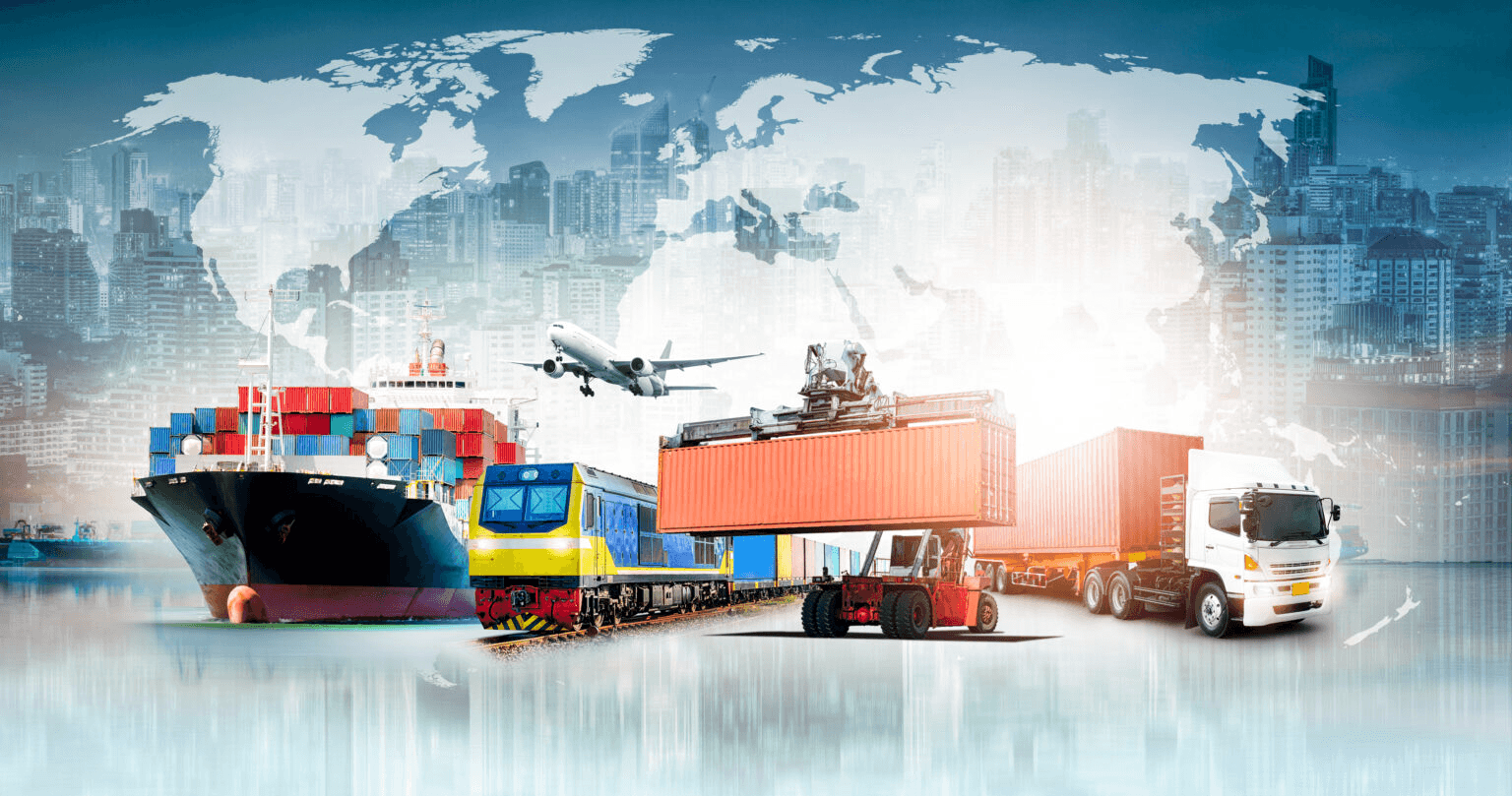
Shipping, in its most basic sense, is the process of carrying goods, cargo, or products from one point to another. The shipping process can be carried out using different methods such as road, air, sea, or rail depending on the transport mode. While the term shipping is generally used for short-distance or local transport, the concept of transport comes to the fore in long-distance, international, and multi-stage transportations.
On the other hand, transport is a wider process that includes not only shipping but also storage, customs procedures, insurance, tracking systems, and logistics planning. For example, moving a product from China to Europe is not just a shipping operation. It also covers stages such as determining transport routes, managing transfer points, customs clearance processes, and providing logistics tracking.
Comparison of Road, Sea, and Air Transport
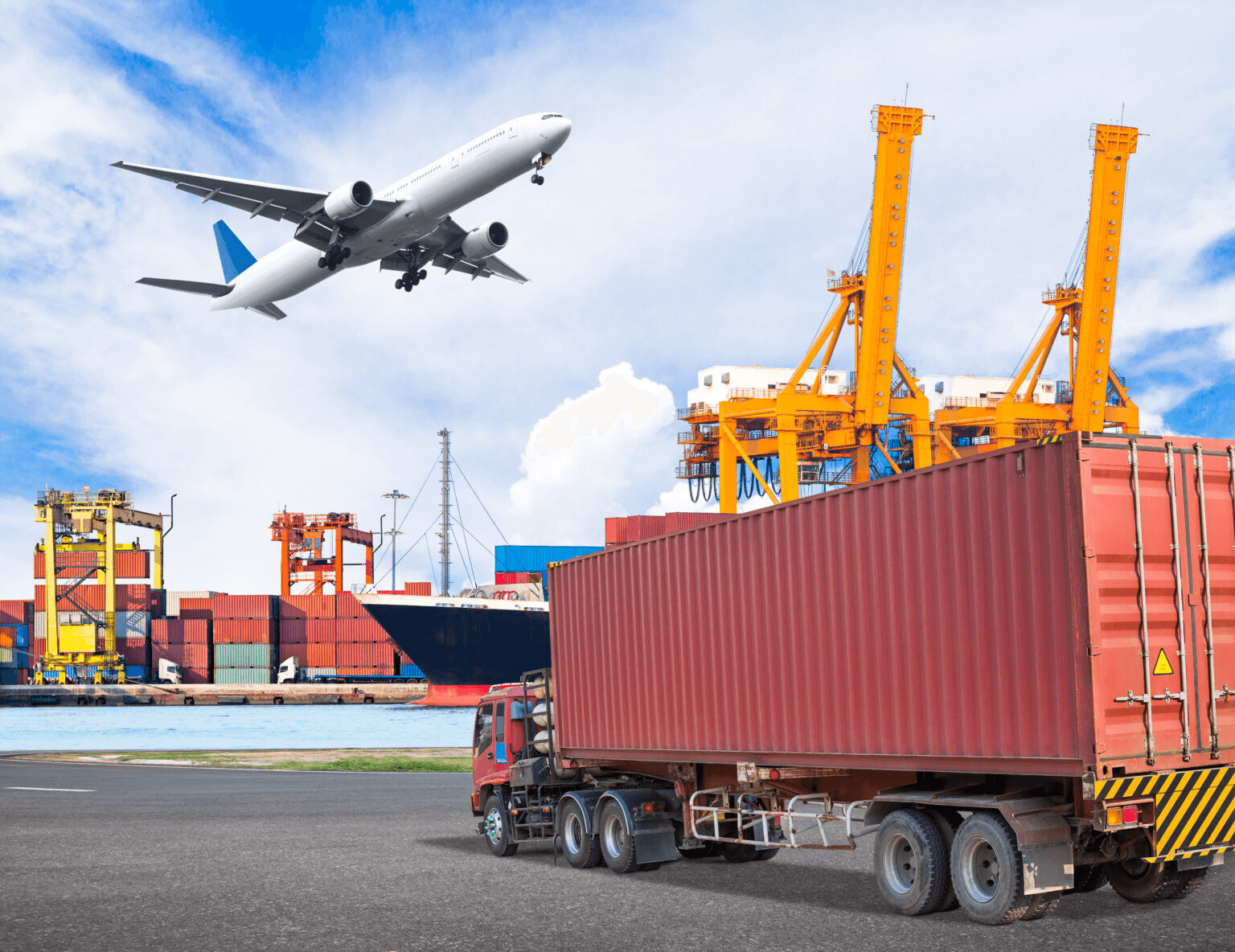
Road transport is one of the most preferred methods for short and medium-distance transport. It is widely used particularly in land-connected regions such as Europe, Asia, and the Middle East because it offers flexible route options, door-to-door delivery opportunity, and rapid delivery times. However, it can be disadvantageous in terms of cost for long distances and heavy cargo.
Sea transport is the method that provides the most economical way of carrying large volumes and heavy goods over long distances. Thanks to container transport, large amounts of cargo can be shipped worldwide. However, delivery times can be longer and delays might occur depending on weather conditions. In contract, while air transport is the fastest transportation method, it is generally preferred for urgent deliveries or high-value products as it is high-cost.
Factors Affecting Shipping Costs
When making cost calculations in shipping processes, many factors such as the weight and volume of the carried cargo, the transport method, distance, and customs duties are taken into consideration. While road transport generally varies depending on fuel prices and vehicle rental costs, port fees, container costs, and insurance expenses come to the fore in sea transport.
In addition to this, seasonal changes and market conditions also have a large impact on shipping costs. Large fluctuations in transport costs can be experienced especially during holiday seasons and during global supply chain crises. Therefore, it is of great importance for companies engaged in international trade to follow dynamic pricing systems and cost-effective logistics solutions.
Moreover, the type and sensitivity of the cargo to be carried also play an important role in cost calculation. Since special transport conditions and additional security measures are required for hazardous substances, products requiring cold chain, or high-value items, such transports are charged higher due to insurance costs, special packaging, and additional regulations. Besides, when multimodal transport is preferred, transferring the cargo with more than one transport mode can generate extra handling costs and terminal fees. Operational factors such as traffic density on the specified routes, border crossing times, and the state of the logistics infrastructure also cause costs to vary.
Customs Procedures and International Logistics Processes
One of the most critical stages in international transport processes is customs procedures. In trade between countries, customs duties must be paid and necessary documents must be prepared in order for products to be transported in accordance with the laws. In particular, certain certificates and standard documents may be mandatory in exports made to EU countries, the USA, and Asian markets.
In order to prevent potential delays that may be encountered in customs processes, keeping up to date with import and export regulations is of great importance. Since every country has different tax rates, quota applications, and inspection procedures, companies must act in accordance with these requirements. Particularly, benefiting from tax exemptions or discounts offered under free trade agreements (FTA) can provide a cost advantage.
On the other hand, working with customs agencies in international logistics processes can accelerate the processes by preventing loss of time. Navlungo can make the transportation process safer by offering customs clearance services. Thanks to correct logistics management, both costs are reduced and delivery times are optimized.
Insurance and Security Measures in Logistics
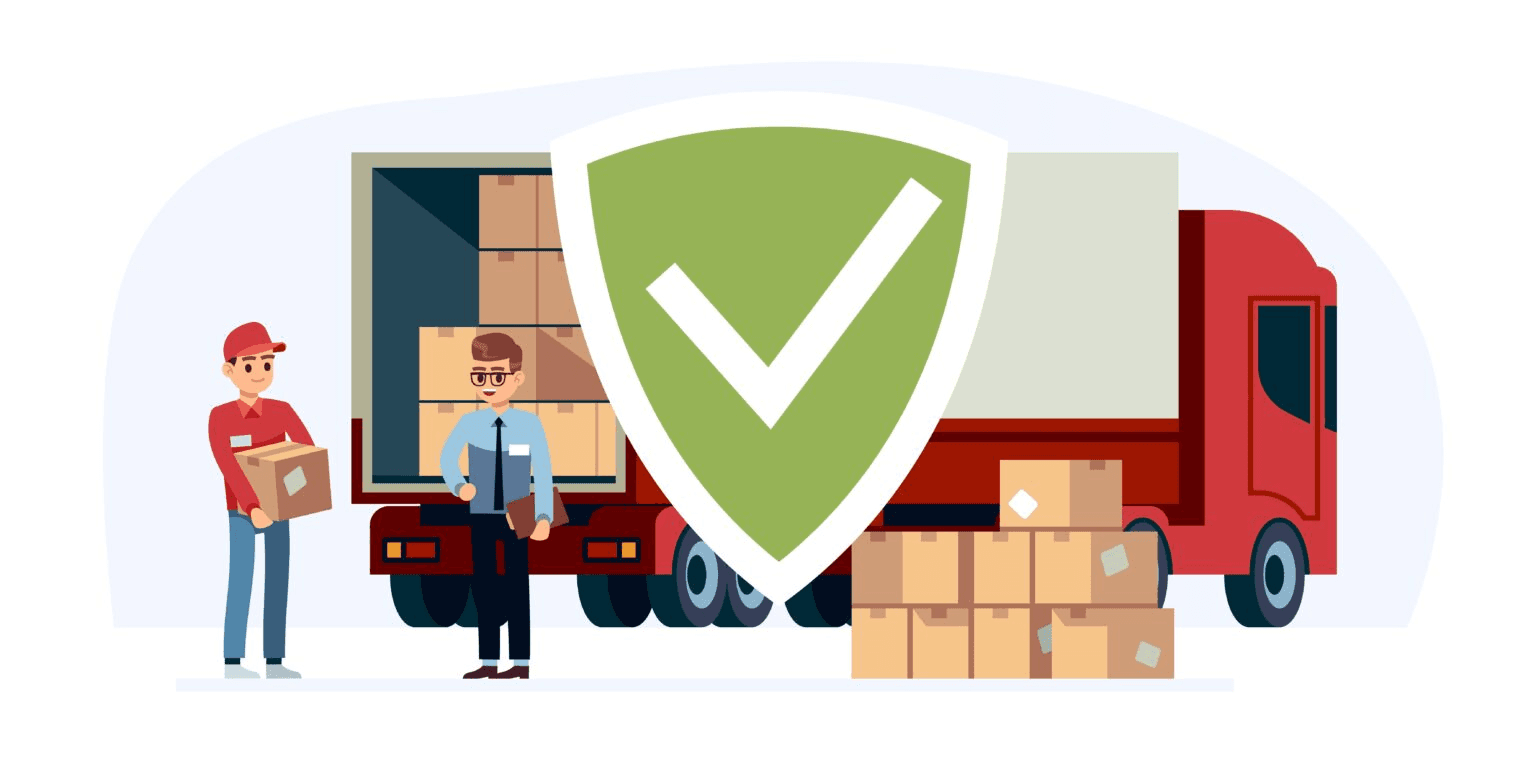
Taking out insurance in transport processes ensures that products are protected against risks such as loss, damage, or delay during transit. Especially in international trade, taking out transport insurance may become mandatory for high-cost products. Besides this, measures such as GPS tracking systems, container sealing methods, and insured transport agreements should be taken for safe transport. Special packaging solutions and secure delivery methods are of great importance for businesses carrying sensitive, valuable, or fragile products.
Which Transport Method is Suitable for Which Industry?

The most suitable transport method for different industries should be determined according to factors such as product type, transit time, and cost. The choice of transport method in different industries varies depending on factors such as the type of products, transit time, and cost. In the e-commerce industry, road and air transport are the most suitable options as orders need to reach customers quickly. While road transport offers flexible route planning and affordable cost advantages, air transport increases customer satisfaction by providing fast delivery, especially for urgent orders. In the heavy industry sector, sea transport is preferred since large volumes and high-tonnage cargoes need to be carried. Since container ships offer the opportunity to transport such cargoes economically and safely, they play an important role in long-distance transport.
Since the textile and fashion industry usually requires seasonal products to be delivered on time, air and road transport, which are fast shipping options, are suitable for this industry. While air transport offers a high-speed advantage, road transport provides economic solutions, especially between the European and Asian markets. Road and air transport also come to the fore for the food and agriculture sector. Because freshness is very important in these industries. Transport carried out with vehicles suitable for cold chain logistics ensures that products are delivered without spoiling. The automotive sector, on the other hand, uses road and sea transport due to both large parts and components that must be delivered on time for assembly. While road transport provides flexible and fast delivery, sea transport is the most economical option for large-volume shipments.
By choosing the most suitable transport method for your industry, you can reduce costs, optimize your logistics processes, and increase customer satisfaction. Proper logistics planning is of great importance to gain a competitive advantage and achieve sustainable success in international trade.