Summarize this text with artificial intelligence
Choose your preferred tool to generate a short summary of the text.
With the development of technology, many transactions have started to be carried out online. For this reason, the Vedop project, which was created to prevent the confusion experienced especially in government offices and to facilitate the work of the parties, is now used by almost everyone. Now, let's take a look at all the details about Vedop together.
What is Vedop?
Vedop is an electronic system managed by the Revenue Administration in Turkey. This system allows taxpayers and other related parties to perform and manage their tax transactions online. Vedop was implemented with the aim of managing the tax administration more effectively and efficiently by using technology. People who benefit from this system can complete their transactions much faster and easier.

How to Perform a Vedop Inquiry?
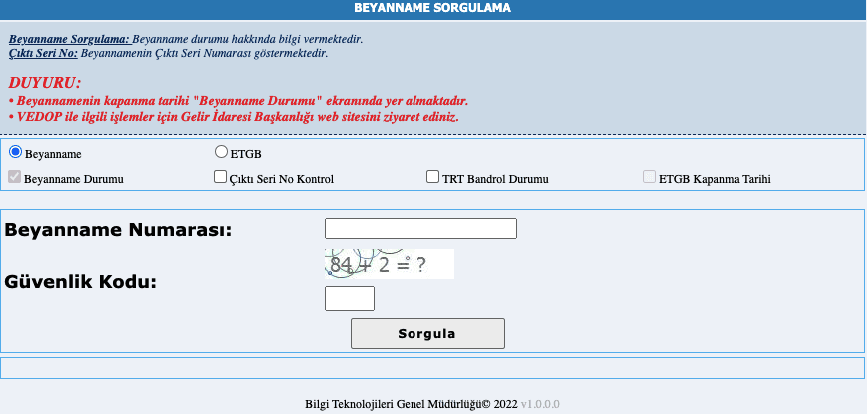
To perform a Vedop inquiry, you need to log in to the official website of the Revenue Administration. Inquiry transactions can be carried out online by taxpayers and authorized persons. Here are the steps to perform a Vedop inquiry:
• Accessing the Website:
First, log in to the official website for the inquiry.
• Inquiry Transactions:
After logging into the system, you can perform your inquiry transactions by entering details such as the tax office and/or tax number you want to query.
• Reviewing the Results:
On the inquiry results screen, you can review your tax debts, declarations, and other relevant information and, if necessary, print or download them.
• Logging Out:
When your transactions are complete, do not forget to log out of the Vedop system for security reasons.
The Vedop inquiry is highly important for taxpayers and authorities to track and manage their tax transactions and status online. Thanks to the system's user-friendly interface, inquiry transactions can be performed quickly and easily.
How Does the Vedop System Work? Which Transactions Does It Cover?
Freeing people from queuing and lengthy transactions at the tax office, Vedop can be used on many technological devices with internet connection, such as phones, tablets, and computers. This contributes both to saving time and to carrying out transactions more easily.
The transactions that can be performed via Vedop can be listed as follows:
• E-Tax Plate inquiry operations
• E-Document inquiry and verifications
• Liability and Debt status document inquiry and verification,
• Vedop Customs Export Declaration inquiry operations,
• Tax identification number inquiry operations for foreign nationals,
• Inquiry of payment electronic documents within the scope of SCT2A,
• Tax identification number inquiry and verification operations
How to Make Payments with Vedop?
Logging In
After creating your user account, you can log in to the Vedop system with your username and password.
Viewing Tax Debts
After logging into the system, you can view your tax debts and obtain detailed information.
Reviewing Payment Options
Vedop offers various payment options. By choosing which type of tax you want to pay, you can review payment options and select the most suitable one for you.
Making a Payment
You can perform your payment transactions with the selected payment option and receive your payment receipt electronically.
Tracking Payment Records
Through the Vedop system, you can view and track your past payment records. This is important for future reference.
By following the 5 steps above, you can perform all your payment transactions through Vedop.

What are the Effects of Vedop on the Accounting Process?
In the accounting process, Vedop has a very important place in the business world as well as for taxpayers and the public sector. Thanks to this system, which closely concerns financial advisors, accountants, and employers, there is order in both the workforce and purchasing-selling transactions. This situation also contributes to increasing productivity in working conditions.
How Are Tax Audits Conducted Over the Vedop System?
The Vedop system is a platform that allows parties to handle their tax transactions electronically without having to go to the tax office. The main purpose of this platform is to provide parties with convenience in saving time, cost, and effort. Almost all transactions made online are gathered in the data warehouse of the Ministry of Treasury and Finance. In this way, personnel authorized for data analysis and tax auditing can access information easily.
Among the analyzed database, important situations such as the amount of tax base declared by the parties and whether it is missing or not are generally checked. In this way, parties who do not declare any tax base can also be accurately identified. The fact that the transactions are carried out over an online platform also contributes to making the parties more transparent in tax audits.

What are the Advantages of Vedop?
The workflow innovations provided to people by technology have begun to cover not only simple situations in daily life but also transactions performed in government offices. The Vedop system, which was opened for use by the Revenue Administration, stands out as a platform where all taxpayers can conduct inquiries and carry out transactions. Frequently used not only for tax transactions but also for many customs operations, this platform offers advantages to users in many areas.
Another important advantage of the system is that it allows users to perform inquiries in different areas. These inquiry operations generally consist of current debt, tax, or analytical documents. One of the most important advantages of this system is that it relatively reduces the chaos experienced in government offices. This situation also ensures a reduction in the workload of people working in government offices. The fact that a very large portion of the operations, which previously had to be done physically, have started to be carried out online, also contributes to performing the operations in a much shorter time, without waiting in line.
The Vedop system provides convenience to users not only physically but also in many other ways. For example, the better control of financial situations can be included in this. Apart from standardized transactions, various economic transactions that are difficult to track in daily life have become easier to follow and record. This situation also allows operations to be carried out more securely.