Summarize this text with artificial intelligence
Choose your preferred tool to generate a short summary of the text.
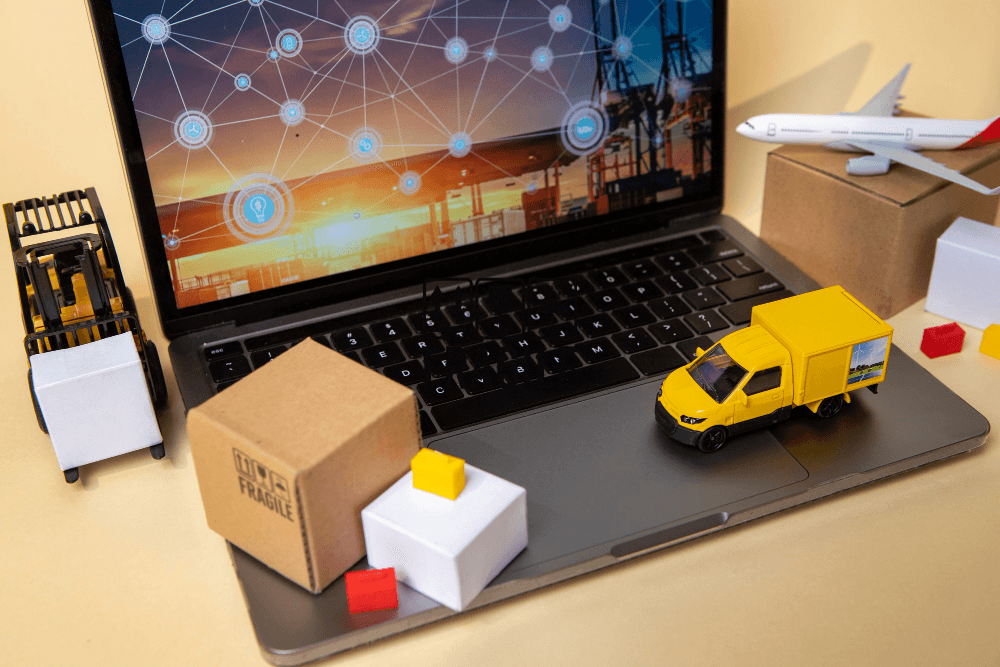
Inbound logistics plays a highly important role for different businesses today in achieving success in the competitive arena. The inbound logistics process covers operations such as transportation planning and product storage carried out between the manufacturer and the supplier at the stage prior to the physical production of the product/products or services.
This process, which has a very wide range, operates in fields such as industry, food, and health. You can access all the details you might be wondering about inbound logistics by continuing to scroll down the page. 👇
What is Inbound Logistics?
Inbound logistics covers the process that continues from taking the existing raw materials from the manufacturer's warehouse until they reach the consumer. At this point, operations such as receiving, loading, inventory control, inspection, transportation, and storage of the goods are carried out within a specific planning framework.
Another point to consider in this process where communication is highly important is ensuring that the information flow is provided accurately. Information flow speeds up the process while also minimizing potential problems.
What is Procurement Logistics?
Procurement logistics, also referred to as production logistics, covers the process that continues after the manufacture of products or services obtained as a result of logistics activities is completed, until they are delivered to the consumer. At the same time, this process includes design, development, or research activities.
Broadly speaking, it is possible to evaluate procurement logistics as a logistics element formed by the merging of two similar stages of logistics activities.
What are Inbound Logistics Activities?
The fields of activity of inbound logistics cover receiving goods, loading, inspecting goods, conducting current inventory control, transporting, or storing.
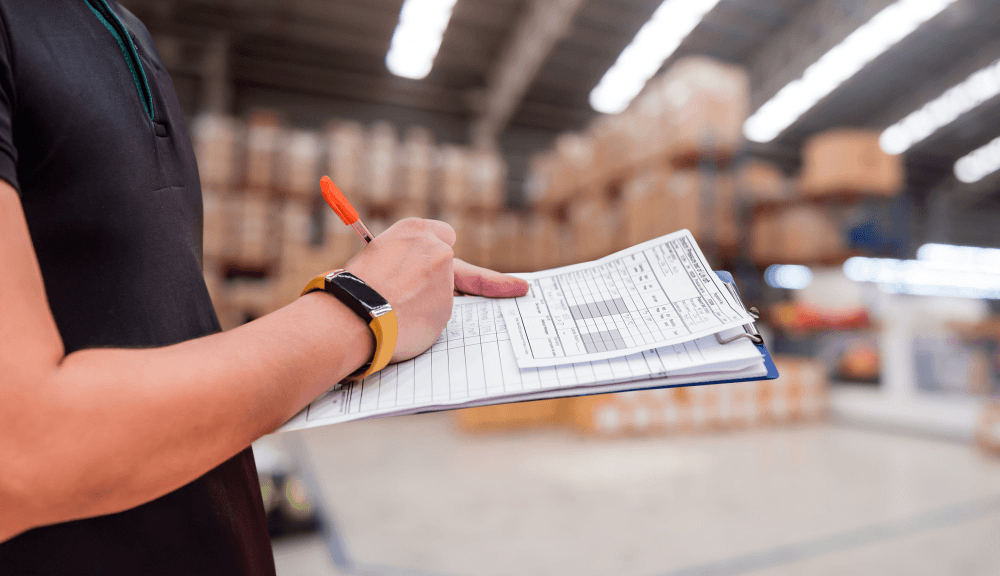
In these operations carried out within a specific planning framework, personnel located at various points, such as the inventory control supervisor or warehouse supervisor, ensure that the process is flawless by maintaining regular communication.
One of the most notable activities in this system relates to the flawless execution of the process. Providing accurate planning and material flow is essential for achieving a trouble-free operation. Here, one of the building blocks that make up the planning is transportation.
In transportation operations, loading operations of goods and raw materials must be performed, and the vehicle to carry out the operation must be selected correctly. Selecting the right vehicles suitable for the product, tracking them, and utilizing the latest technologies contribute to the modern-day functioning of inbound logistics.
How Is Information Flow Achieved in Inbound Logistics?
Achieving information flow in inbound logistics is one of the most critical aspects of the modern business world. This process generally consists of a series of stages.
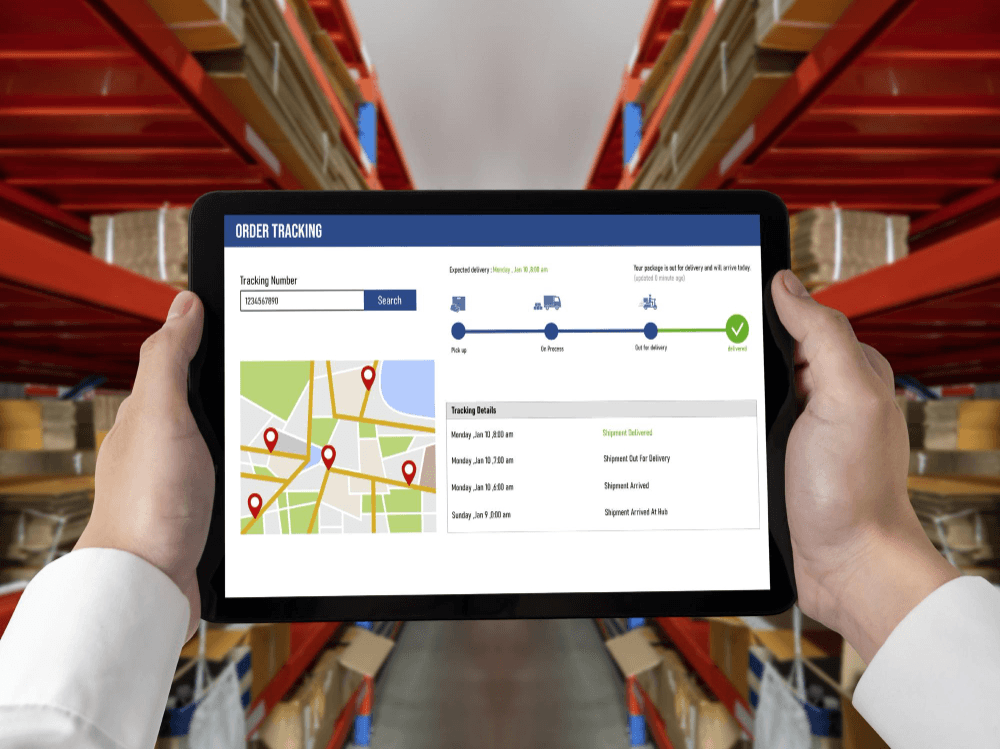
First, orders are placed with suppliers for raw materials and other supplies. Orders are generally placed electronically through various information systems. These systems can be specialized software such as supply chain management (SCM) or supplier relationship management (SRM). These systems help to accurately track and manage orders.
Then, the process of processing and fulfilling these orders begins. In this process, a continuous flow of information is required between suppliers and buyers. This information flow is carried out through electronic data interchange (EDI) systems or similar technologies. These systems ensure that suppliers and buyers are kept continuously updated about order statuses, delivery times, invoice details, and other crucial information.
Finally, in the process of delivering and distributing orders to end users, ensuring information flow is also critically important. This part of the process is generally managed through distribution requirements planning (DRP) systems or similar software. These systems ensure that suppliers and buyers are constantly informed about the status, location, and timing of deliveries.
In the inbound logistics system, throughout the process from transporting products under certain controls, to distributing and storing them, ensuring information flow among personnel is highly important.
Managing the information flow smoothly ensures that products or goods reach buyers in the correct way and at the correct time. Since it is a highly important operation from start to finish, the planning must also be perfect. By providing accurate information flow at the points of control, distribution, storage of materials/products, and delivery to the buyer, it is possible to ensure a trouble-free shipment.
What are the Advantages of Inbound Logistics?
In the inbound logistics system, businesses enjoy many advantages such as cost savings or increased profits. Generally speaking, the advantages of inbound logistics can be listed as follows:
• Cost savings
• Profit increase
• Efficiency
• Improved customer services
• Customer satisfaction
• Mutual trust

What Are the Differences Between Outbound Logistics and Inbound Logistics?
Inbound logistics refers to logistics activities that handle the planning and procurement of semi-finished goods/raw materials where production is concerned. Outbound logistics, on the other hand, covers the collection, distribution, storage, and inspection processes in the period from the production of services and goods until they reach the end consumer.
What Are the Risks and Disadvantages of Inbound Logistics?
In the inbound logistics system, there can be financial risks as well as physical risks. In general, inbound logistics risks and disadvantages can be listed as follows:
Financial risks
• Liquidity management
• Credibility management
• Treasury management
• Contract audits
Physical risks
• Terrorism and sabotage
• Cargo damage
• Cargo security
• Handling damage
• Weather conditions and climate issues
Why Is Inbound Logistics Important?
Inbound logistics, which makes up a large part of today's global volume, is present in every area where production exists. That is, it is carried out by taking accurate planning and clear information flow into account in the process extending from production to delivery. Thus, it provides a high-quality service approach.
Inbound logistics, which has a highly important place in the service sector, is extremely advantageous in terms of gaining the trust of customers and end buyers, providing quality service, and ensuring security.
Consequently, inbound logistics has a major impact on a business's success and efficiency. The process, starting with the procurement of raw materials and supplies, reaches the end user through effective logistics management.
An uninterrupted flow of information at every stage of the supply chain ensures that the entire process runs quickly and smoothly. Modern technologies and logistics management systems play a major role in simplifying these processes and making them even more effective.
Optimizing logistics operations by using these systems and technologies is critical for businesses to survive and succeed in the competitive business world. For this reason, mastering inbound logistics and adopting best practices in this field should be among the main goals of every business.