Summarize this text with artificial intelligence
Choose your preferred tool to generate a short summary of the text.
Hello dear readers! Today we will talk about customs clearance procedures. These procedures are one of the most critical and important steps of international trade and can be seen as a complex process that is not well known for many businesses.
But do not worry!
Today we have prepared a guide for you that will clear up all questions about customs clearance. Keep reading to master the whole process from A to Z! 🌍📦✨
What is Customs Clearance? Order Within the Chaos 📚
Customs clearance is the procedures carried out in accordance with customs regulations during the transition of goods and services from one country's borders to another in international trade. This process ensures that import and export transactions take place quickly, safely and orderly.
Why Does the Customs Clearance Process Exist? 🎯
• Contributing to the country's economy and increasing tax revenues
• Preventing smuggling and illegal trade
• Protecting consumers and national interests
• Ensuring that commercial activities take place regularly and quickly
Customs Regulations and International Trade Agreements 🌐
Customs clearance processes are regulated according to each country's own customs legislation and international trade agreements. These legislations and agreements ensure that commercial relations between countries take place smoothly and fairly.
In addition, it includes information on how transactions will be carried out, which documents must be prepared and which tax rates will be applied.
How is Customs Clearance Done? 📋🔍
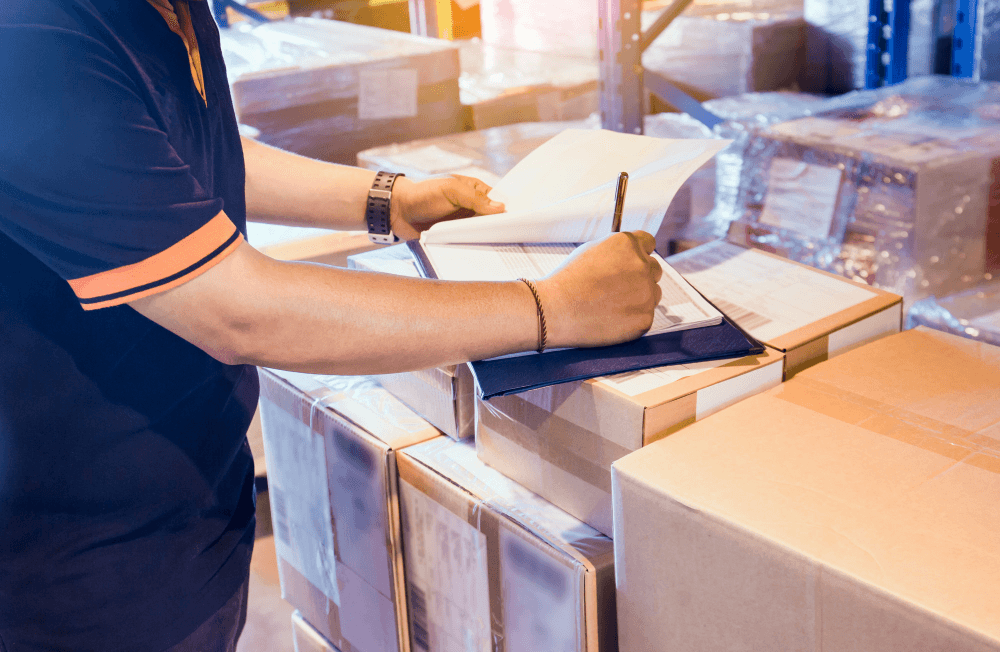
Customs clearance is important for both exporters and importers. These processes ensure that products pass through customs smoothly and quickly. The basic steps of this process proceed as follows:
Export and Import Customs Clearance Processes 🔄
Export and import customs clearance processes take place when products are sent to or received from another country. These processes must be carried out in accordance with customs regulations and all documents must be submitted completely.
Customs Declaration and Other Required Documents 📄
During customs clearance procedures, there are documents that must be prepared and submitted by the exporter or importer. These documents include the customs declaration, invoice, bill of lading, certificate of origin and other special documents. These documents are necessary for the products to be subjected to customs procedures.

Tax and Duty Payments 💰
During the customs clearance process, there are taxes and duties that the exporter or importer must pay. These payments vary depending on the customs legislation and the nature of the product.
Customs Control and Inspection Processes 🔎
Customs control and inspection processes are steps where products are checked and their compliance is evaluated during customs clearance procedures. In these processes, it is examined whether the products comply with the customs legislation and related standards. If non-compliance is detected, the product may not pass through customs.
Providing Permits and Certificates 📜
During the customs clearance of some products, special permits and certificates may need to be provided. These permits and certificates are important for the safe and appropriate trade of products. For example, health certificates are required for food and pharmaceutical products, and phytosanitary certificates for herbal products.
Who Performs Customs Clearance Procedures? 👥
Customs clearance is generally carried out by the institution with which you carry out your logistics processes. The persons and institutions authorized in this process are as follows:
Customs Consultants and Customs Brokers 🎓
Customs consultants and customs brokers are professionals who carry out these transactions. These people have extensive knowledge and experience regarding customs legislation and processes. Importer and exporter companies work with customs consultants and brokers to facilitate and speed up customs transactions.
Customs Clearance Officers of Importer and Exporter Companies 🏢
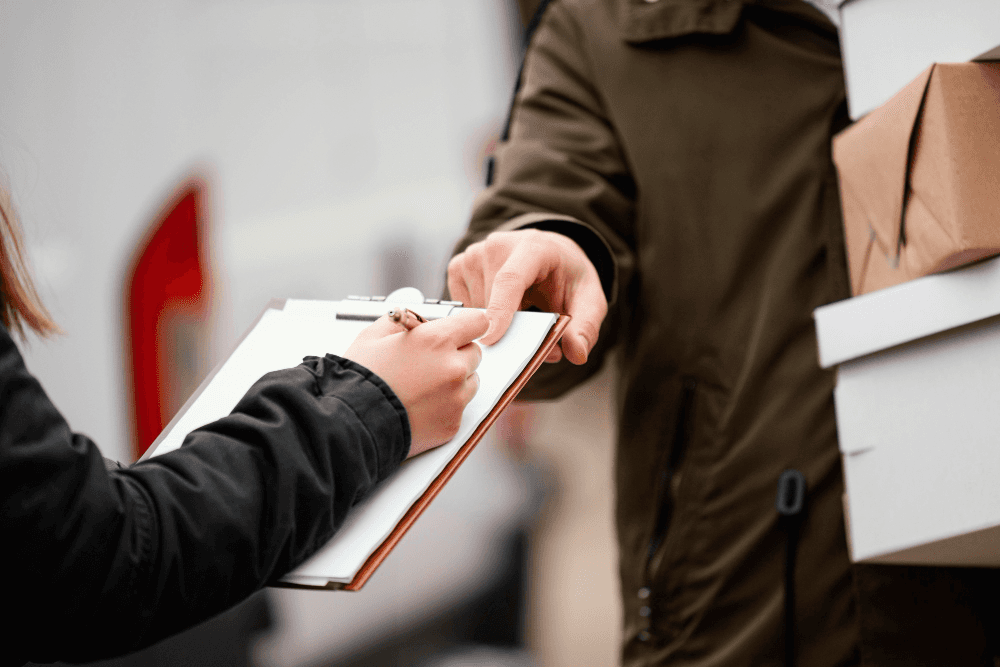
Within the structure of importer and exporter companies, there are officers who carry out and follow up customs clearance procedures. These people take on the coordination and communication tasks regarding the processes of the companies. They ensure that companies act in accordance with the legislation during customs procedures.
Relevant Units in Customs and Other Government Institutions 🏛️
During customs clearance procedures, relevant units in customs and other government institutions are also involved. These units carry out customs control and inspection processes, provide necessary permits and certificates, and follow up tax and duty payments. The purpose of these units is to ensure that processes are carried out smoothly and quickly.
Strategies That Simplify Customs Processes 📈
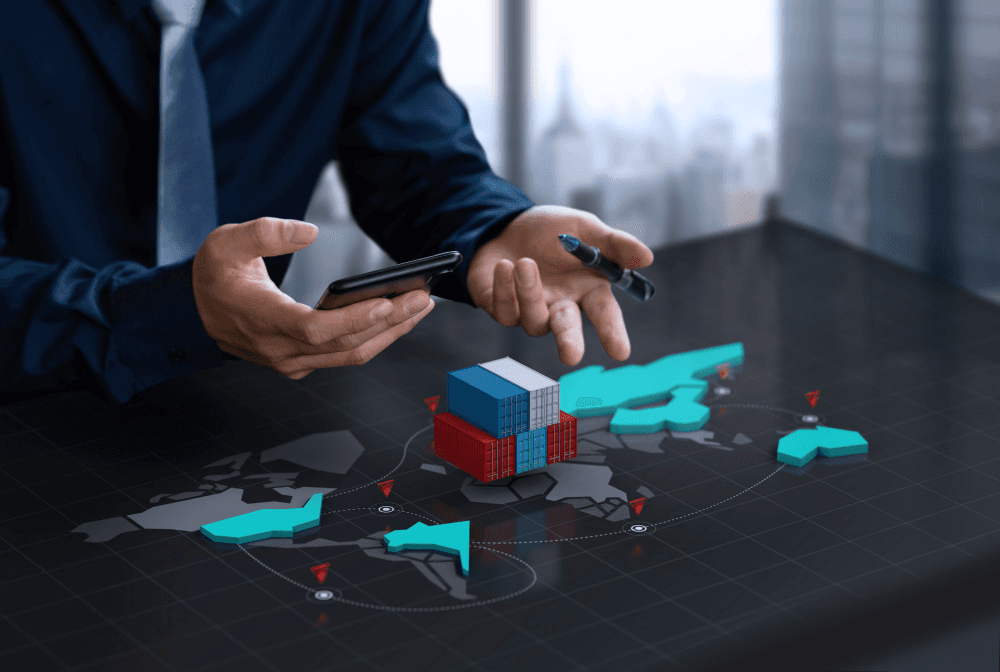
There are various strategies used to facilitate and speed up customs processes. Here are some important approaches to make customs processes more efficient:
Electronic Customs Declarations and E-Government Applications 💻
Electronic customs declarations and e-government applications are technological innovations that speed up and simplify customs clearance processes. Thanks to these systems, importers and exporters can submit customs declarations and other necessary documents online, thus speeding up processes and reducing bureaucracy.
Authorized Economic Operator Status and Its Advantages 🏅
Authorized Economic Operator (AEO) status is a special status granted to companies that are reliable and compliant in customs processes. Companies with this status can benefit from advantages such as priority treatment, fast inspection and lower customs control in customs clearance processes.
International Customs Cooperation and Regulations 🌐
International customs cooperation and regulations play an important role in facilitating customs processes. Thanks to agreements and regulations made between countries, customs laws and processes become more aligned, reducing key barriers businesses face when conducting international trade.

Most Frequently Asked Questions About Customs Clearance
Customs clearance processes can be complex and time-consuming, so it is always helpful to find answers to the most frequently asked questions in this area. Here are some frequently asked questions and topics about customs clearance:
Common Mistakes in Customs Clearance Processes and How to Prevent Them?
• Incomplete or incorrect document submission: In customs procedures, it is important to submit documents completely and accurately. To prevent such errors, prepare and check your documents carefully.
• Incorrect use of customs codes: Using the correct customs codes for products is crucial for the correct calculation of taxes and duties. You can get help from customs consultants or brokers to learn and apply the correct customs codes.
• Incorrect calculation of customs duty and charges: Taxes and duties must be calculated and paid correctly. You can prevent mistakes by getting expert help on this matter.
Current Changes in Customs Legislation and Regulations 📝
Customs legislation and regulations can change constantly. Therefore, it is important to follow current changes and act accordingly. You can stay informed about this issue by obtaining up-to-date information from customs consultants, brokers and government agencies.
Calculation and Payment of Customs Duty and Fees 💰
Customs duty and fees are mandatory financial obligations that must be paid during import and export transactions. The calculation of taxes and duties is based on the customs codes of the products, their value and other factors. It is beneficial to work with customs consultants or brokers to make accurate calculations. Payments are usually made electronically or directly to the customs administration.
Our Final Words on Customs Clearance 🎯
Customs clearance processes are an indispensable part of international trade, and their successful and rapid management is of great importance for businesses. By complying with customs legislation and managing processes effectively, companies can increase their trade advantages and prevent potential problems.
Proper execution of customs clearance procedures is in the interest of both businesses and government institutions. While businesses increase their competitiveness by reducing costs and increasing efficiency, government institutions also contribute to the country's economy thanks to smoothly functioning customs processes.
Consequently, giving customs clearance processes the necessary importance and ensuring their successful and fast management are among the cornerstones of the sustainable success of international trade and businesses. By complying with customs legislation and managing processes effectively, businesses can gain an advantage and increase their competitiveness in international trade.