Summarize this text with artificial intelligence
Choose your preferred tool to generate a short summary of the text.
The car body is the outer shell, consisting of a metal or composite structure, mounted on the chassis of the vehicle. The design of the body affects the vehicle's aesthetics, aerodynamic features, and interior space. The body is highly important in terms of safety, fuel efficiency, and comfort.
The body design varies according to the intended use of the vehicle. In other words, the body performs various functions, such as protecting the interior of the vehicle and improving its aerodynamic properties. So let's examine the details you need to know about car bodies!
What is a Car Body?
A car body is the name given to the metal or composite structure that is mounted on the chassis of a vehicle and forms its outer shell. Therefore, the body is a section that affects the vehicle's exterior appearance, aerodynamic properties, and interior design.
Furthermore, body design, its materials, and production affect the vehicle's total weight, fuel efficiency, safety, and passenger comfort.
Body designs and structures vary according to the purpose and use of the vehicle. For example, the body of a bus is specifically designed to maximize passenger capacity and physically allow passengers to sit and move comfortably.
The body also plays an important role in various vehicle modifications or in the manufacture of special-purpose vehicles (ambulances, fire engines, etc.). Such vehicles have special body designs and features to perform specific tasks.
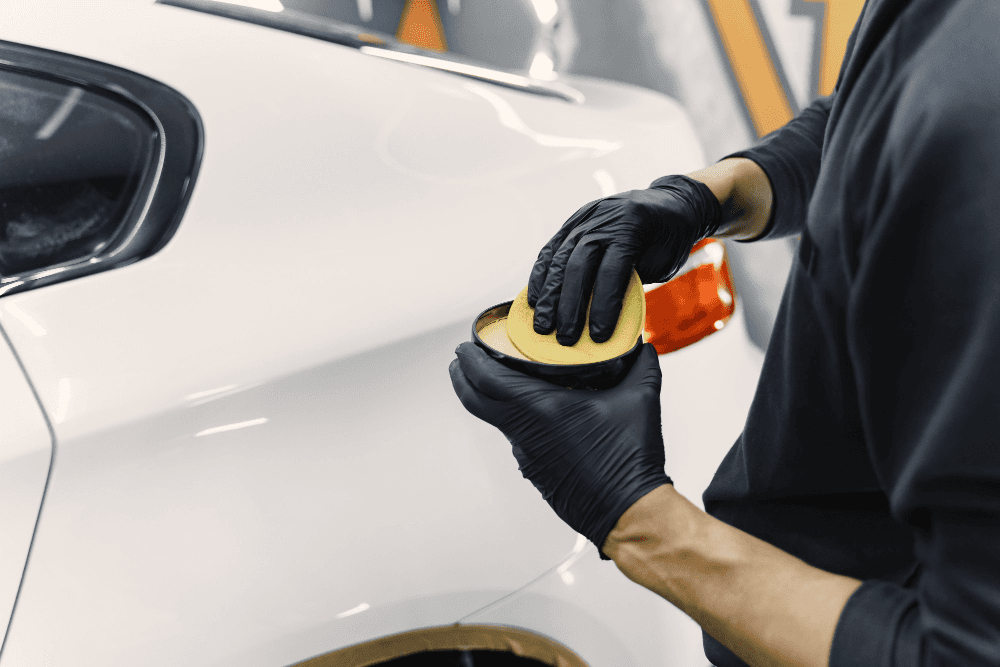
What Does a Car Body Do?
A car body is the outer shell section of a vehicle designed and manufactured to perform various functions. The basic functions of the body are as follows:
• It protects the vehicle's interior, passengers, and cargo against external elements.
• Modern body structures are designed to protect passengers and the driver in collisions. Crumple zones absorb the energy of impacts that could harm passengers.
• The shape of the body affects the vehicle's aerodynamics. An aerodynamic body increases fuel efficiency by ensuring the vehicle encounters less air resistance.
• Design features specific to the vehicle's make and model are expressed through the shape and color of the body.
• The body serves different demands according to the vehicle's intended use. For example, truck bodies are designed to carry cargo, while bus bodies are organized to optimize passenger transit and comfort.
• The body is designed to provide interior spaciousness, comfort, and direct ease of movement for passengers. It also provides thermal and sound insulation for the interior.
Why is a Car Body Used?
The main reason for using a car body is to improve and support various functions of the vehicle. The body provides a safe haven for the vehicle's interior, passengers, or cargo, shielding them from external elements like adverse weather conditions. This structure also protects the engine and other vital components of the vehicle from environmental damage.
In terms of safety, the body acts as a vital protective layer for the driver and passengers. In collision situations, the body absorbs the energy to minimize the impact's force on the passengers.
Thus, it reduces the damage that accidents can cause. The vehicle's aerodynamic structure is also optimized by the body. Low air resistance allows the vehicle to move faster while increasing fuel efficiency.
The body also defines the visual character and brand identity of the vehicle. Each vehicle's unique aesthetic lines and design are expressed through the body's shape and details. In addition, different body designs are created according to the vehicle's intended use.
Finally, the body ensures that the vehicle's interior offers a comfortable and pleasant experience for its users. Features such as sound insulation and thermal control are important functions of the body.
Considering all these factors, the use of a body in motor vehicles is an essential and critical element.
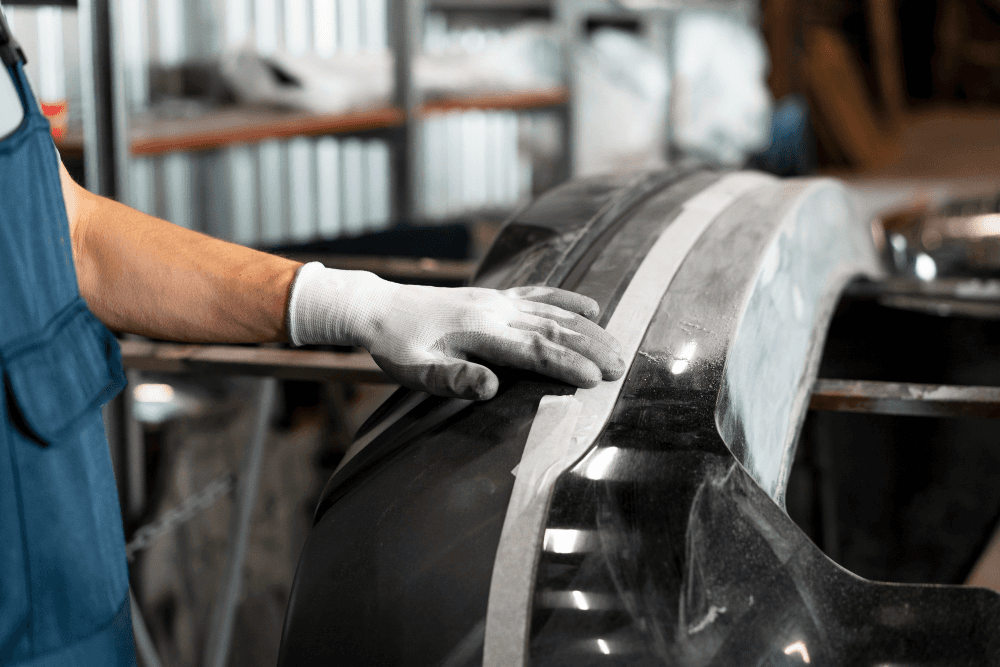
What Are the Types of Car Bodies?
Body types vary according to the vehicle's intended use, design, and the material of which it is made. Overall, the body types are as follows:
• Sedan body: Sedans are vehicles that generally have four doors and a boot compartment at the rear. Sedan bodies offer a comfortable and spacious interior, suitable for city and long-distance use.
• Hatchback body: A hatchback has an angled rear with a top-opening tailgate and is more compact in size. This design makes the interior more flexible and useful.
• Coupe body: Coupe models have a two-door, sporty, and classy design. It offers a more dynamic look and driving experience.
• SUV (Sport Utility Vehicle) body: SUVs offer high road handling and spacious interior features. They are suitable for urban and off-road use.
• Crossover body: A crossover is a vehicle that stands somewhere between a sedan and an SUV, resembling compact SUV features.
• Cabriolet/Convertible body: Cabriolet or Convertible models have convertible roof structures. Thus, they offer an open-air driving experience.
• Station wagon body: A station wagon offers a large luggage area and a flexible interior where the rear seats can be folded down.
• Panel van body: These are vehicles with large internal volumes designed for business and commercial uses.
• Minivan/MPV (Multi-Purpose Vehicle) body: These are vehicles designed for family transportation, offering numerous seats and a large interior volume.
• Pick-up body: These are vehicles used for carrying cargo, with an open bed at the rear.
• Semi-truck/tractor unit body: Large and powerful vehicles designed for heavy cargo transportation.
• Bus/minibus body: Used for passenger transportation, they can be in different sizes and capacities.
What is Car Body Damage?
Car body damage can be defined as deformations, scratches, dents, or cracks that occur on the outer body shell of the vehicle. This damage can result from traffic accidents, weather conditions, collisions during parking, or natural wear and tear occurring over time.
For example, a heavy object falling on the vehicle can cause dents in the body, or scraping against another vehicle or curb while parking can cause scratches in the vehicle's paint.
In addition, hard and sharp objects or impacts on the road can lead to cracks or breaks in the body. Also, metal parts on the vehicle's body can rust over time. Rusting happens much faster, especially in seaside areas.
All these types of damage negatively affect the aesthetic appearance and value of the vehicle. In some cases, they even compromise the vehicle's safety performance and structural integrity.
Therefore, when body damage occurs, professional assistance should be sought, and the required repairs should be made as soon as possible.

What Are the Car Body Parts and How Are They Made?
The car body is made up of a range of different parts that form the outer shell of a vehicle. These parts are usually made from various materials such as metal, plastic, fiberglass, or carbon fiber. The basic parts of the body are as follows:
• Chassis/Shell: Forms the main body structure of the vehicle and holds all other parts together.
• Doors: Movable parts mounted on the sides of the vehicle, providing entry and exit.
• Hood: Covers and protects the engine compartment.
• Boot/Trunk Lid: Covers the luggage compartment.
• Fenders/Mudguards: Parts that cover wheels and prevent mud or water splashed from the wheels from reaching other parts of the body.
• Bumpers: Located at the front and rear of the vehicle, providing protection against impacts.
• Roof: Covers the top of the vehicle and protects the interior from external factors.
• Mirrors and Spoilers: These parts are added to the body for both aesthetic and functional purposes.
Body manufacturing, meanwhile, involves various stages of the design and production process. This process can be briefly explained as follows:
• Design phase: The design of the body is made by considering the aerodynamic, aesthetic, and functional features of the vehicle.
• Material selection: Material selection has a big impact on the weight, cost, safety, and performance of the vehicle.
• Cutting and shaping: Selected materials are cut and shaped to form various parts of the body.
• Assembly: Cut and shaped parts are put together using methods such as welding, riveting, or bonding.
• Surface treatments: Irregularities on the body surface are removed and protective treatments are applied, preparing the body for painting and coating processes.
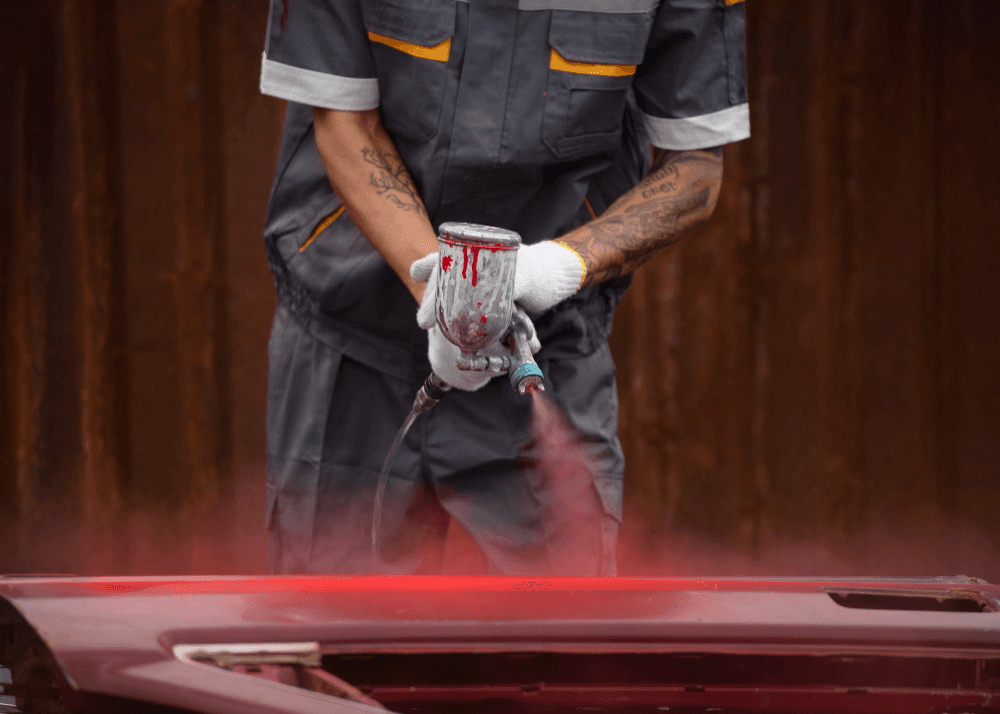
• Painting and coating: The body is coated with protective and decorative paints. This process protects the outer surface of the vehicle and gives it an aesthetic appearance.
Body manufacturing is a process requiring a great deal of technical detail, and it has a major impact on the final performance, safety, and appearance of the vehicle. Different techniques and materials can be used in the manufacturing process depending on the vehicle type and model.
Why is a Car Body Important?
The car body is highly important for the safety, functionality, and aesthetics of the vehicle. In terms of safety, the body acts to protect the driver and passengers in collisions and against other harmful external elements. Modern body structures designed with materials that absorb and distribute collision energy create an extra protective shield for passengers. At the same time, the design of the body positively affects the overall stability and handling of the vehicle, providing a safe driving experience.
In terms of functionality, the design of the body serves the general purpose of the vehicle. For example, while trucks are designed with a focus on carrying cargo, bus bodies are prepared considering a high passenger capacity. The body is also a factor that directly affects the interior comfort and capacity of the vehicle.
Within the scope of aesthetic values, the body is the main feature that determines the external appearance of the vehicle and represents the brand's image. A beautiful and impressive body design increases the market value of the vehicle and its attractiveness to customers. In the context of aerodynamic performance, the shape and design of the body directly affect the vehicle's air resistance and, consequently, its fuel efficiency.
Body Usage in Transportation
The use of specialized bodies in transportation is of strategic importance to respond to various sector requirements. Custom-designed bodies are shaped according to the type and requirements of the cargo to be transported.
For instance, tank bodies used in liquid transport ensure that liquids are transported safely, while bodies manufactured for livestock transport are designed to provide sufficient ventilation and security during the transport of animals.
Furthermore, custom refrigerated body designs produced for vehicles operating in cold chain logistics guarantee that products are transported within a specific temperature range.
Freight transport bodies also have the necessary arrangements to place materials securely and organized. Especially in transporting heavy loads, the design of the body is of critical importance to distribute the weight of the load evenly and maintain the balance of the vehicle. Thus, the safety of both the vehicle and the cargo increases, providing a stable drive on the road.
In addition, bodies used in freight transport may have mechanisms that allow quick and efficient loading and unloading of cargo. These body designs vary according to the type, dimensions, and shipping conditions of the cargo.
For example, different body solutions exist for various load types, such as construction materials, food and beverage products, chemicals, or electronics. Each is specifically designed to optimize load safety, protection during transit, and efficiency of the transportation process.