Summarize this text with artificial intelligence
Choose your preferred tool to generate a short summary of the text.
An indispensable element of international trade, the transport document (consignment note) ensures that goods and products reach from one corner of the world to another in a safe and orderly manner. As Navlungo, we know the importance of transport documents and the functionality of these documents very well.
In this article, we will examine what a transport document is, its types, and its usage areas in detail. Thus, we aim to provide you with the necessary information to act more consciously and effectively in the complex world of international trade. If you are ready, let's dive into the magical world of transport documents together! 🧙♀️🧙♂️🪄
What is a Transport Document (Consignment Note)?
The transport document, also known among people as a ‘bill of lading’, is an important document that contains a lot of information such as recipient and sender details, and can be requested by both transport companies and buyer companies.
This document is considered mandatory for the shipped goods to reach the buyers without any problems. The absence of the transport document prevents the buyer from receiving the incoming goods or products.
The primary function of the bill of lading is based on protecting the rights of the parties engaged in commercial transport business. The essential parties in question consist of the carrier and the sender. The goods sent/transferred here are known as the subject of transport.
The transport document is generally issued around elements such as the fee of the transported product, the vehicle carrying out the transport, or the passenger/goods carried.
Types of Transport Documents
The known types of bills of lading are divided into five: sea, air, road, railway, and combined (multimodal). The bill of lading varies depending on the mode of transport of the goods or products carried.
1- Bill of Lading (B/L):
Usually issued upon the sender's request, the ocean bill of lading is prepared by the carriers. This document is only issued if the transfer is made by sea. Ocean bill of lading types are divided into three: Straight bill of lading, Order bill of lading, and Bearer bill of lading.
Additionally, the bill of lading functions as a document of title, which is a document through which ownership of the goods can be transferred.

2- Air Waybill (AWB):
The bill of lading used in air transport is issued in the name of the importer. Based on this arrangement, there are 12 copies in total, three of which are originals. All products to be sent here are delivered using aircraft.
The bill of lading applicable to airway is sort of a receipt. It does not hold as crucial a place as the bills of lading used in other transport operations. In addition, its ownership is non-negotiable (cannot be transferred).
3- CMR Consignment Note (Road Consignment Note):
Also known as a truck consignment note, the road waybill is applicable in transport operations carried out by vehicles such as trucks or lorries. It documents that the carrier has accepted the goods and the existence of the contract of carriage.
The bill of lading used in road transport is also issued in three copies. Accordingly, the first copy remains with the sender, the second copy is transported along with the products or goods, and the third copy is received by the transport company.
The most important feature of this document is that it contains a declaration in the form of 'received for carriage' indicating that the goods or products to be transported have been fully checked and are problem-free.
4- Railway Consignment Note:
The railway consignment note depends on the transport of goods using railways. The document used here has the character of a contract made between the sender and the carrier.
Four of these documents, issued in six copies in total, are the 'duplicate of the consignment note'. These copies show that the transported goods have been received by the railway administration.
5- Multimodal Transport Document (Combined Transport Bill of Lading):
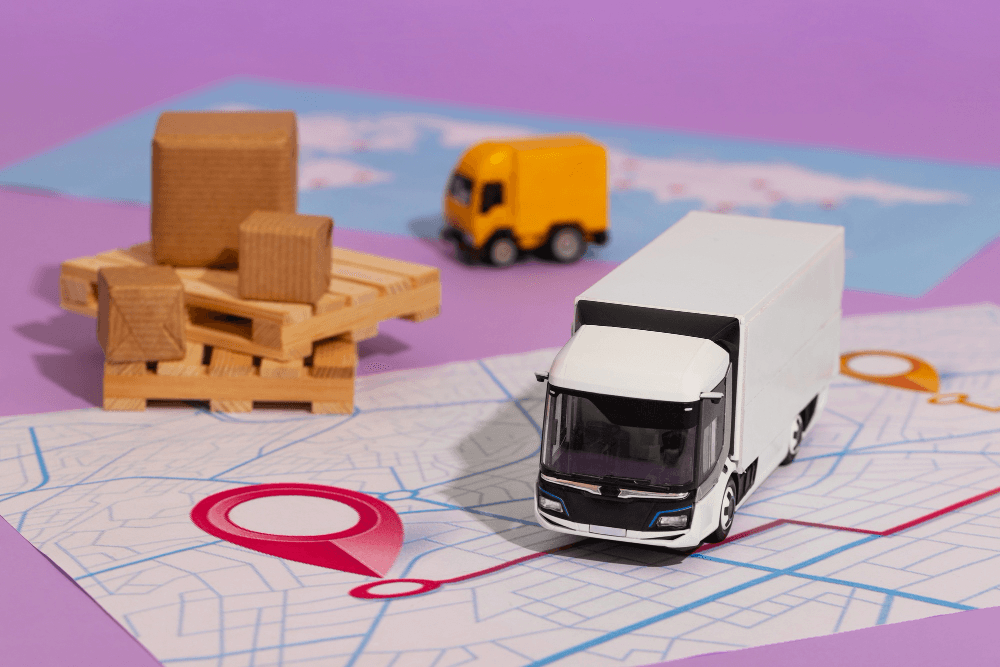
Also known as a multimodal transport document or combined transport document, this document is used in cases where a shipment involves more than one mode of transport.
For example, if a cargo is first transported to the port by truck, loaded onto a ship from there, and finally transported from the destination port to its actual destination by another truck, a multimodal transport document is used in this case.
The multimodal transport document ensures that the cargo is covered by a single document throughout the entire transport process. This document determines the ownership and responsibility of the cargo at all stages of the transport process.
One of the most important features of the document is that the carrier accepts responsibility for the cargo throughout its entire transport process. This makes the carrier an operator providing "door-to-door" transport services. In other words, the carrier is responsible for all stages of the cargo's transport process. This makes it easier for the buyer to track the cargo and resolve potential problems.
Therefore, this type of document reduces the complexity of the transport process and ensures that transactions are carried out more smoothly and efficiently. In addition, monitoring the entire shipment with a single document provides more security legally.
Usage Areas and Purposes of the Transport Document
The transport document plays a crucial role in international trade. It has a number of different purposes and usage areas: 👇😍
• Use as evidence: The transport document is a document proving that a specific contract of carriage exists. It shows that the cargo has been delivered to the carrier and that the carrier has accepted to take the cargo.
• Transfer of ownership: Some transport documents, especially the Bill of Lading, can also be used to transfer ownership of goods. The person holding the document owns the ownership of the goods.
• Control of delivery: The transport document is also used to control the delivery of goods. It determines under what conditions, when, and where the goods will be delivered.
• Credit transactions: Especially in transactions with letters of credit, it is used by banks as a provision of credit and payment guarantee. Based on the transport document, banks guarantee that the buyer will make the payment.
• Insurance transactions: The transport document is used to assess the risks that may occur during transport and to issue insurance policies.
• Customs procedures: It is used by customs authorities to control the entry and exit of goods. The origin, value, and other details of the goods can be found on this document.
These various purposes and usage areas demonstrate how critical a document the transport document is in international trade. For both buyers and sellers, the transport document ensures that the exchange of goods is conducted smoothly and effectively.

The Process of Issuing a Transport Document and Related Parties
The process of issuing a transport document is a highly standardized operation in the transportation industry and usually begins immediately after the transport operation is carried out.
The related parties are usually the sender (the owner or seller of the goods), the carrier (the company providing the transport service), and the buyer (the final receiver of the goods or the representative of the buyer). Here are more details about the transport document issuing process and related parties: 👇
• Contract of Carriage:
The process of issuing a transport document starts with the contract of carriage. This contract specifies how, where, and when the goods will be transported. It also states what kind of packaging the goods will be in, under what conditions the transport process will be carried out, and how long the transport will take.
The contract is made in writing, accepted by both the carrier and the sender. At this point, the following documents are usually needed when creating the contract: ⬇️⏬
• Commercial Invoice
• Export Declaration
• Packing List
• Delivery of the Goods to the Carrier:
After the contract of carriage is signed, the goods are delivered to the carrier. The carrier accepts the goods by checking their condition and quantity. At this stage, the carrier usually informs the sender about the risks that the goods might encounter during transport.
• Issuing the Transport Document:
After accepting the goods, the carrier issues a transport document. This document is proof of the contract of carriage and states that the goods have been delivered to the carrier and the transport process has started. The transport document also states what the goods are, how much they are, from where to where they are being transported, and the transport fee.
• Giving the Transport Document to the Parties:
When the transport document is issued, the carrier gives this document to the sender or to a person specified by the sender. This document determines the ownership of the goods during the transport process.
The transport document is also used to control the delivery process of the goods and to determine where and when the goods will be delivered.
• Delivery of the Goods and Giving the Transport Document to the Buyer:
The carrier delivers the goods to the specified destination and hands over the goods to the buyer or the person specified by him. The transport document is usually given to the buyer at this stage. This document indicates that the ownership of the goods has passed to the buyer and confirms that the buyer has accepted the goods.
This entire process is designed to transport goods safely and effectively and to prevent disputes between the parties. The transport document functions as a legal document at every stage of the transport process and defines the rights and responsibilities of the parties.
Problems Related to Transport Documents and Suggested Solutions
Errors and omissions on the transport document are a very common problem due to the complexity of the transport process and the fact that the parties are often located in different countries. These problems can lead to misrouting of goods, delays, and even disputes between parties.
To solve the problem, the person or organization issuing the transport document must fill out the document carefully and make sure that all information is accurate and complete. If an error is noticed, corrections on the transport document should be made in a timely manner and shared with all parties.
Forgery and fraud in transport document operations is another important problem. This usually occurs in the form of exaggerating the value of the goods or inflating transport fees. To prevent such situations, parties must check the correctness of the information on the document by carefully examining the transport document.
In addition, it is important that the organizations issuing the transport document are reliable and that the arrangements are always made in an official and lawful manner.
Legal responsibilities related to the issuance and delivery of the transport document are another important aspect of the transport process. The carrier is legally responsible for the safe and timely delivery of the goods. If the goods are damaged or lost, the carrier is usually liable to cover the financial damage.
Therefore, carriers need to be careful when issuing the transport document and delivering the goods. In addition, senders and buyers are also expected to comply with the terms specified in the transport document.

Frequently Asked Questions
Some wondered questions and answers regarding transport documents are as follows. ⏬
What is the Impact of Electronic Transport Documents on Digital Transformation?
The fact that transport documents have now become electronic compared to the past is a very beneficial step in terms of digital transformation. In this context, in almost all commercial transactions, electronic documents are now issued, making transactions more practical.
How is the Transfer and Endorsement of Transport Documents Done?
The transfer of transport documents takes place by physically delivering the document to the new owner or transferring it in electronic format. This transaction officially transfers the ownership of the goods to the new owner.
How are Legal Processes and Disputes Regarding Transport Documents Resolved?
In order to prevent problems related to the transport document, the parties must act carefully, responsibly, and in accordance with the law. This ensures that the transport process is carried out smoothly and effectively and prevents disputes between the parties.
Conclusion
Transport documents form the backbone of the logistics sector. These documents play a critical role at every stage of the goods transport process, building trust between the parties and determining the ownership of the goods.
Technological advancements and digital transformation, along with the rise of electronic transport documents, are making transport processes faster, more efficient, and more reliable.
Issuing the transport document, which is the cornerstone of safe and successful trade, defines the rights and responsibilities of the parties and helps commercial relationships to be conducted smoothly. In short, transport documents are indispensable in increasing the efficiency and reliability of logistics and trade. 👈