
Summarize this text with artificial intelligence
Choose your preferred tool to generate a short summary of the text.
Hello dear readers! In today's post, we will talk about warehouses, which are one of the indispensable parts of the logistics world.
Logistics warehouses help businesses manage their supply chains in an organized and efficient manner. Whether you are a manager of a large company or a small business owner; in this guide, we will cover the basic information you need to know about logistics warehouses and their types.
If you are ready, I wish you an enjoyable reading in advance! 🚀
What is a Logistics Warehouse? 🏭
Logistics warehouses are physical or virtual spaces where products and goods are managed by being stored, stocked, and organized for a certain period of time. These warehouses ensure that supply chain processes run smoothly and contribute to the efficient execution of logistics operations.
Functions of Logistics Warehouses 🔧
• Safe storage of products
• Regular and effective inventory management
• Control and tracking of goods and product movements
• Preparation of orders and execution of shipments
Basic Activities Performed in Logistics Warehouses 📋
• Product acceptance and control
• Placement of products into the warehouse
• Inventory management and stock control
• Order picking and packaging
• Planning and execution of shipment processes
• Management of return and feedback processes

Types of Logistics Warehouses 📦
Types of logistics warehouses vary according to needs and sectors. Generally, the types of logistics warehouses are as follows:
Central Logistics Warehouses 🏢
Central logistics warehouses are designed to support large-scale logistics operations. They work in connection with regional distribution centers and main logistics points. These warehouses serve a wide geographical area and ensure the effective distribution of products.
Regional Logistics Warehouses 🌆
Regional logistics warehouses are designed according to regional logistics needs. They focus on managing the local distribution and supply chain. Regional warehouses provide faster delivery times and lower logistics costs.
Product or Sector-Specific Logistics Warehouses 🛠️
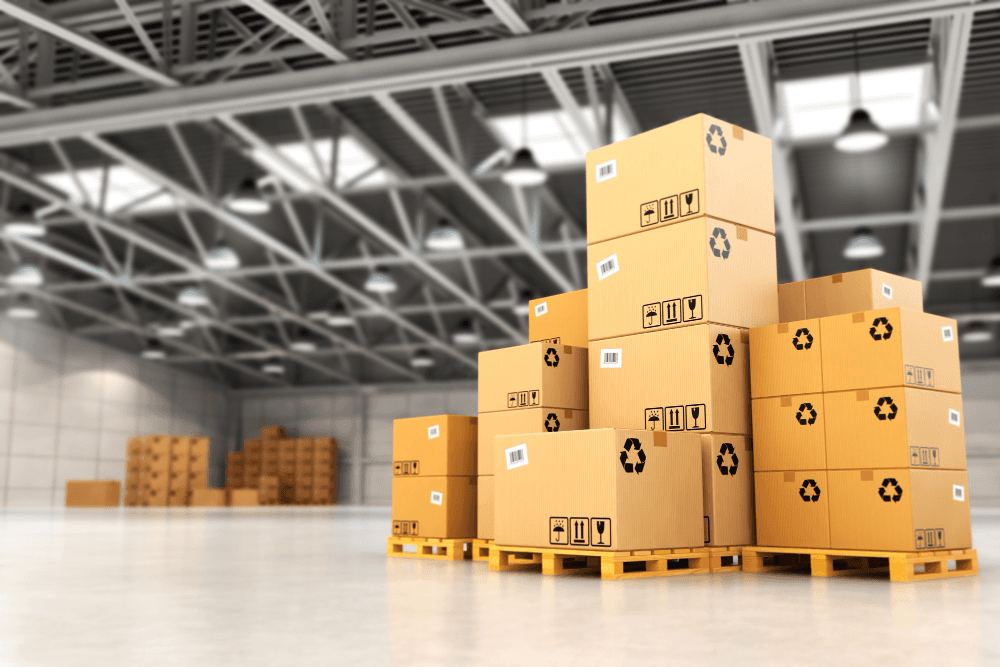
Product or sector-specific logistics warehouses are tailored to the requirements of specific product groups or sectors. They are ideal for products that require special storage conditions and management procedures. For example, there may be warehouses with static-electricity protection features for electronic products.
Cold Chain Logistics Warehouses ❄️
Cold chain logistics warehouses store products that require a cold chain (food, medicine, etc.). They have storage areas that provide temperature and humidity control. These types of warehouses ensure the preservation of the quality and safety of products.
Hazardous Material Logistics Warehouses ⚠️
Hazardous material logistics warehouses ensure the safe storage of hazardous materials. These warehouses are constructed in compliance with special safety measures and regulations. They implement necessary procedures to ensure safety during the storage and transport of hazardous materials.
Logistics Warehouse Management and Operations 🔧
Logistics warehouse management plays a critical role in the supply chain. The effectiveness and efficiency of warehouse operations help businesses meet customer expectations and lower logistics costs. Paying attention to the following points in terms of management and operations will benefit you:
Warehouse Management and Inventory Control 📋
Warehouse management involves tracking, organizing, and controlling inventory. Inventory management is important to ensure products are supplied on time and in the correct quantities. Monitoring inventory levels and reordering when necessary helps reduce stock costs and waste.
Inbound and Outbound Product Processes 🚚
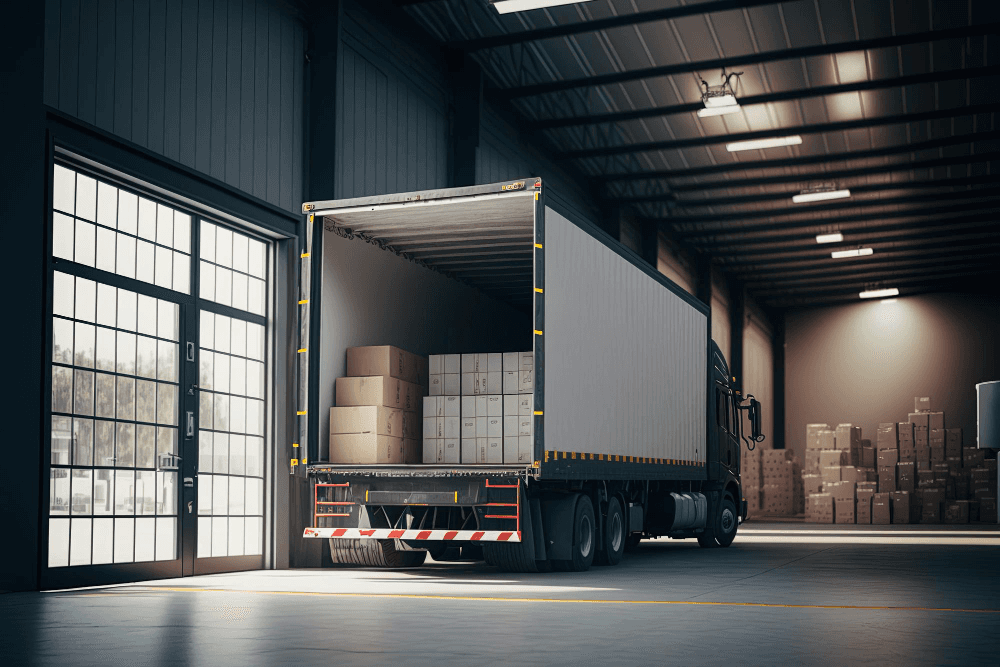
In logistics warehouses, the inbound and outbound processes of products must be organized and efficient. It is important that incoming products are accurately recorded, inspected, and placed. Likewise, delivering outbound products with the right timing and routing is of critical importance.
Storage and Handling Methods 📦
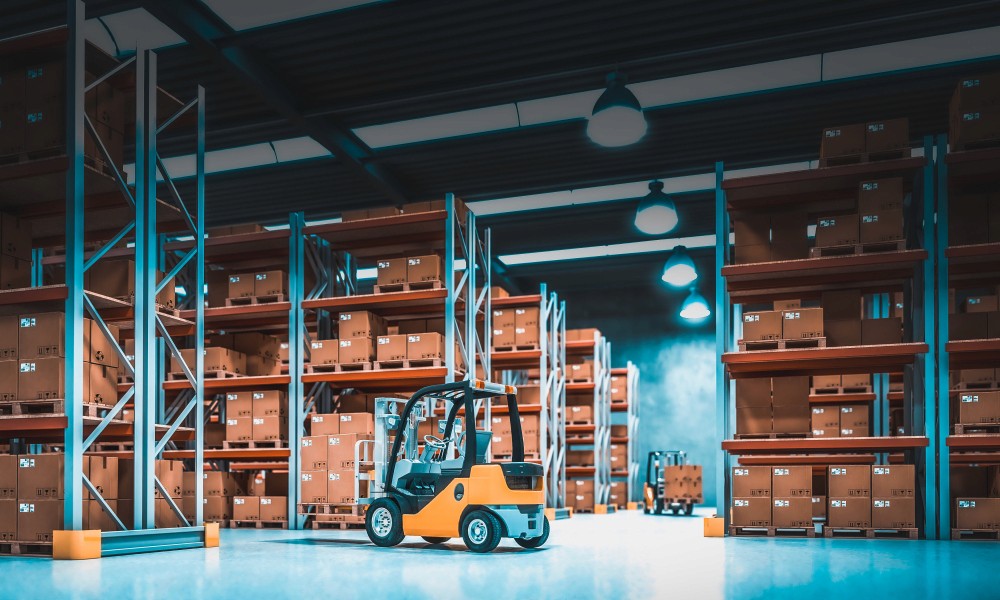
Storage and handling methods are important factors that increase the efficiency and safety of logistics warehouses. The layout of the warehouses should ensure that products can be easily found and moved. Appropriate shelves, pallets, and other storage systems should be used to ensure maximum use of storage areas.
Logistics Warehouse Optimization and Cost Control 💰
Another important aspect of logistics warehouse management is optimization and cost control. It is possible to increase warehouse efficiency by continuously improving business processes and reducing waste. This leads to faster delivery times, lower costs, and better customer service.
Logistics Warehouse Selection and Planning 📍
Warehouse selection and planning play a critical role in businesses delivering fast and efficient service to customers. Warehouse selection, size, capacity, and design directly affect the efficiency and costs of the supply chain.
Importance and Selection of Warehouse Location 🌍
Warehouse location is vital for supply chain performance. A good warehouse location ensures that products are delivered quickly and cost-effectively. The ideal warehouse location should be at a convenient distance from suppliers, customers, and other logistics points. Additionally, it should be in a secure area with suitable infrastructure and transport links.
Warehouse Sizing and Capacity Planning 📏
Warehouse size and capacity are important aspects of logistics warehouse management. The warehouse size should be sufficient for the business's needs and capable of supporting future growth. Capacity planning helps optimize inventory levels and storage spaces in the warehouse. This leads to better storage methods, lower stock costs, and less waste.
Warehouse Design and Layout 🏗️
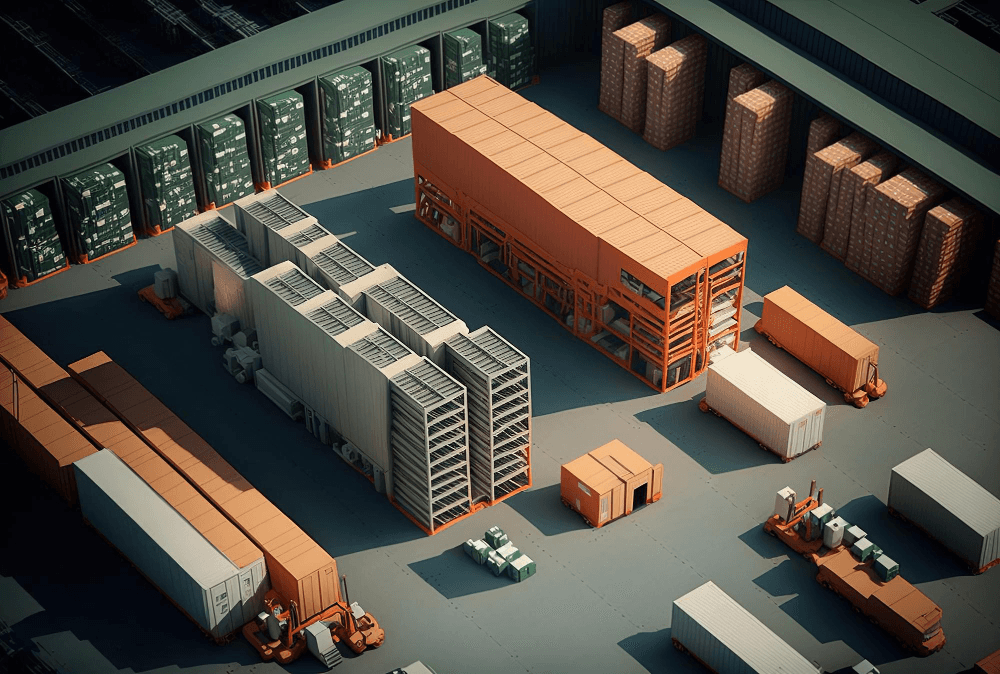
The design and layout of logistics warehouses directly affect the efficiency and safety of warehouse operations. A good warehouse design should ensure that products can be easily located and moved. The warehouse layout should facilitate inbound and outbound product processes and ensure work safety. Shelves, pallets, and other storage systems used in warehouse design should help ensure maximum utilization of storage spaces.
Logistics Warehouse Technologies and Equipment 🤖
To increase the efficiency and effectiveness of logistics warehouses, various technologies and equipment are used. Automation and robotic systems, warehouse management systems (WMS), and handling equipment allow them to operate faster, safer, and at a lower cost.
Automation and Robotic Systems 🤖
Warehouse automation and robotic systems speed up and optimize the operations and inventory management of logistics warehouses. These systems automate tasks such as placing products into storage areas, tracking inventory, and preparing products for shipment. Robotic systems help reduce human intervention in handling and shipping processes, thereby increasing speed and reducing errors.
Warehouse Management Systems (WMS) 🖥️
Warehouse management systems (WMS) help manage and monitor activities such as inventory management, inbound and outbound product processes, and storage space optimization. WMS provides real-time information to warehouse workers and managers, making business processes more effective and efficient. WMS reduces costs and waste while increasing the speed, accuracy, and compliance of warehouse operations.
https://www.youtube.com/watch?v=IMPbKVb8y8s
Amazon Fulfillment Center
The video above contains important information about Amazon's logistics warehouse operation. The company, which actively uses technology, seems to have successfully automated many stages.
Handling Equipment and Technologies 🚚
Logistics warehouses use various handling equipment and technologies for moving and storing products. This equipment includes vehicles and machinery such as forklifts, pallet jacks, and conveyor systems. Handling equipment ensures that products are moved safely and efficiently in the warehouse. In addition, handling technologies increase the speed and accuracy of warehouse processes and improve work safety.
Logistics Warehouse Safety and Regulations 🚧
They must be carefully managed and regulated to ensure a safe and compliant working environment. Warehouse safety and risk management, fire and emergency precautions, and relevant legal regulations and certifications help ensure the safe and orderly operation of warehouses.
Warehouse Safety and Risk Management 🛡️
Warehouse safety and risk management ensure that logistics warehouses operate safely and efficiently. This process includes employee training, the implementation of safety procedures, and regular safety audits. Risk management assesses and mitigates potential hazards and risks to ensure the safety of warehouse employees, equipment, and inventory.
Fire and Emergency Precautions 🔥
Appropriate precautions must be taken for fire and emergencies. These precautions include targeted equipment and procedures such as fire extinguishing systems, emergency lighting, and evacuation plans. Warehouse employees must be familiar with fire and emergency procedures and maintain current knowledge through regular training.
Relevant Legal Regulations and Certifications ⚖️
They must be operated in accordance with local and international legal regulations and standards. These regulations provide requirements and guidelines in areas such as safety, health, and environmental protection. Relevant certificates and permits verify that logistics warehouses comply with legal regulations and provide confidence to customers and business partners.
Conclusion regarding Logistics Warehouses 🎯
Logistics warehouses play an important role in supply chain management and help businesses provide fast and efficient service to customers. Effective and efficient warehouse management directly affects supply chain performance and costs. Here are the points to consider for successful and efficient logistics warehouse management:
Points to Consider for Successful and Efficient Logistics Warehouse Management 🔑
Logistics warehouse management is an important area that needs attention for a successful and efficient supply chain. Here are the points to consider for successful and efficient logistics warehouse management:
• Warehouse selection and planning: A warehouse with the right location, size, capacity, and design increases the efficiency of the supply chain and lowers costs.
• Warehouse management and operations: Effective inventory control, inbound and outbound product processes, and storage methods ensure warehouses operate efficiently and compliantly.
• Use of technology and equipment: Automation, robotic systems, warehouse management systems (WMS), and handling equipment allow warehouses to operate faster, safer, and at a lower cost.
• Safety and regulations: Warehouse safety, risk management, and compliance with legal regulations ensure the safe and orderly operation of warehouses.
Successful and efficient logistics warehouse management plays an important role in businesses achieving their supply chain goals. By paying attention to these crucial points, businesses can provide better service to customers and gain a competitive advantage.