Summarize this text with artificial intelligence
Choose your preferred tool to generate a short summary of the text.
For businesses engaged in e-export, proper management of customs processes is one of the most critical steps in international trade. Incorrect declarations, missing documents, faulty product classifications, and shipments that do not comply with country regulations can cause both serious delays and additional costs. Therefore, customs procedures are not only a legal obligation, but also the fundamental condition for hassle-free delivery. Accurately identifying products, preparing documents fully, and acting in accordance with the import regulations of the target country directly affect success in e-export. By managing your customs processes correctly, you too can deliver your international orders quickly, safely, and within the legal framework.
The Importance of Customs Processes in E-Export
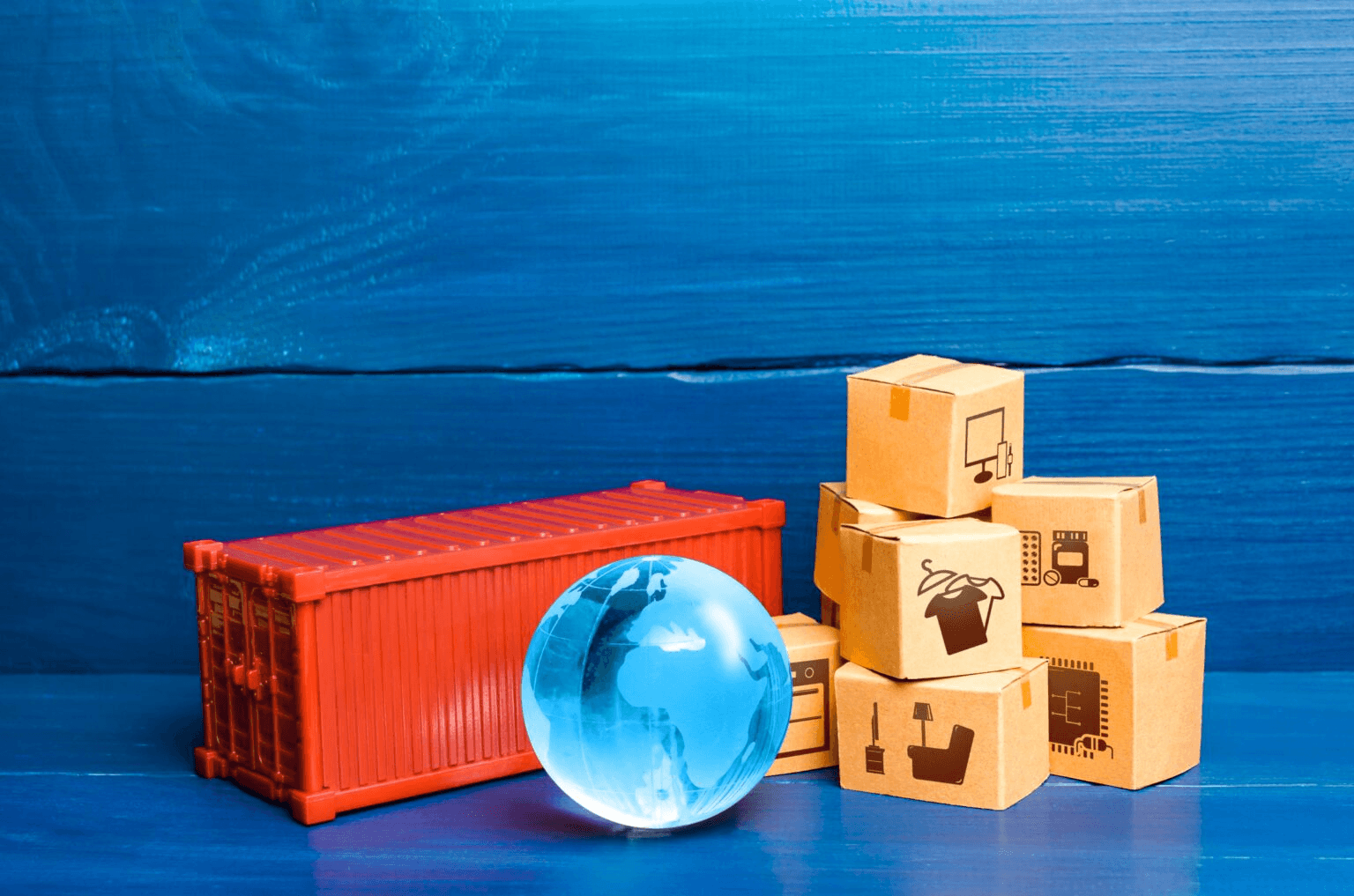
Customs processes constitute the most critical phase of e-export. This is because whether an international product shipment will be legally accepted is determined at this stage. Even the smallest mistake in customs procedures can cause orders to wait for days, products to be returned, or additional tax liabilities to arise. Categorizing products correctly, clearly stating their commercial value, and preparing the relevant documents in accordance with international standards accelerate the process.
Customs processes are important not only operationally but also in terms of brand reputation. While the timely delivery of a product increases customer satisfaction, delays experienced at customs can extend the delivery time and weaken brand credibility. For this reason, businesses must handle processes with seriousness, check every step, and utilize professional support if necessary.
Points to Consider When Preparing a Customs Declaration
A customs declaration is one of the most important documents in the export process. The nature, quantity, value, and recipient details of the product must be specified correctly in the declaration. An incorrectly written GTIP/HS code, a faulty product description, or wrong taxation information can lead to the shipment being stopped at customs. Therefore, the declaration must be prepared with care.
The value information in the declaration must be accurate, the commercial value of the product must be declared correctly, and all information must be consistent with the documentation. Discrepancies between the declaration and the invoice or incomplete product descriptions slow down the process. Additionally, it is important to follow special regulations that vary by country. Some countries may require extra certificates, permits, or analysis reports for certain products. Knowing these requirements in advance prevents loss of time at the customs stage.
Common Mistakes in Export Documents

Many businesses engaging in e-export make critical mistakes when preparing customs documents. The most common problem is keeping product descriptions on invoices too general. Instead of a broad definition like “electronic product”, the model, function, and details of the product should be clearly specified. Otherwise, customs officials may request additional review and hold the shipment.
Another common mistake is inconsistencies in documents. If the information contained in the invoice, declaration, and transport documents does not align with each other, the shipment is put at risk. Furthermore, because some exporters do not prepare necessary permits or mandatory certificates in advance, shipments can face rejection in the destination country. Bottlenecks not only create delays but also impose additional costs on the business. Therefore, the document preparation stage should be carried out meticulously and every detail must be checked.
Since most of the errors in customs documents stem from a lack of attention or insufficient knowledge of regulations, it is of great importance for businesses to constantly follow current regulations. Import policies of countries can change periodically, and special restrictions may be introduced for certain product groups. Missing these changes can lead to the product getting stuck at customs or additional documentation being requested. Therefore, for businesses, both having accurate information and conducting the document preparation process through a regular control mechanism is a critical requirement for customs processes to proceed smoothly.
Customs Differences in Micro and Macro Export
E-export transactions are divided into micro and macro export. In micro-export, the process is simpler and faster. This is because when the shipment remains below a certain amount, clearance can be made through an electronic commerce customs declaration. This method is both less costly and ensures customs procedures are completed in a shorter time.
In macro export, transactions are more detailed. Due to reasons such as drawing up a standard customs declaration, high product value, and more comprehensive controls applied in importing countries, the process can be longer and more costly. Therefore, it is of great importance for businesses to correctly determine whether the shipment is micro or macro, and prepare their documents accordingly. Making an incorrect classification can lead to serious problems at customs.
Management of Customs Duties and Expenses

In international trade, customs duties vary depending on the type and value of the product and the regulations of the target country. Businesses must find out the tax rates and import costs of whichever country they are shipping to beforehand. Failure to calculate costs can lead to unexpected expenses.
In some countries, a product having a special classification can cause extra taxes. For example, additional requirements such as health certificates for cosmetics, and safety standards for electronic products increase the cost. Therefore, businesses should examine the customs procedures of their products in detail, calculate taxes accurately, and make the necessary planning to ensure that extra fees do not arise for the customer upon delivery.
Tax and cost management is also of critical importance for creating a competitive pricing strategy. Setting prices too high drives customers away, while ignoring costs can cause the seller to lose money. Establishing the right balance is essential for a successful e-export operation.
Measures to Take to Prevent Delays
Delays in customs processes usually arise due to missing documents, incorrect declarations, or shipping products that do not comply with the country's regulations. To prevent delays, the customs documents of each shipment must be checked individually, invoices must be prepared in absolute alignment with the product, and all customs codes must be selected correctly.
The target country's holidays, peak periods, and special regulations should be researched beforehand. In some countries, congestion may occur at customs during certain periods, extending processing times. Being prepared for such situations ensures that shipment planning is done correctly. One of the most effective methods to speed up customs processes is to get professional support. This is because expert teams carry out the entire process faster and without errors.
Advantages of Using Professional Customs Consultancy

Since customs processes involve complex structures, obtaining professional consultancy greatly simplifies the work of businesses. Thanks to consultancy services, it is ensured that products are classified correctly, documents are prepared fully, and potential errors are prevented. This service is even more important, particularly in countries with strict regulations like the USA and Canada.
Professional customs consultancy saves time for businesses. This is because all of the processes are managed quickly by experts. Furthermore, additional costs that might arise due to incorrect declarations or wrong documents are prevented. The right consultancy makes even small businesses look as professional as large-scale operations and increases competitiveness in global markets.
Proper management of customs processes is essential to achieve success in e-export. Correct classification of products, complete preparation of documents, accurate understanding of micro and macro export differences, and precise calculation of costs allow businesses to exist strongly in the international market. While warehousing, packaging, and handling services are carried out by ParkPalet to organize the operational process, Navlungo provides significant convenience to businesses, especially in markets like the USA, Canada, and similar, with the professional support it offers in the field of customs clearance. For sellers with companies in Turkey, even if they do not have a company in the buyer country, handling customs procedures through Navlungo makes the process faster and more seamless. If you also want to manage your e-export operations safely, quickly, and in compliance with regulations, you can make a stronger start in global markets by taking advantage of Navlungo's international customs support services.
Additionally, to get information about customs processes in international TEMU orders, you can check out our blog post titled Customs Processes and Logistics Points to Consider in International TEMU Orders.