Summarize this text with artificial intelligence
Choose your preferred tool to generate a short summary of the text.
Amazon, whose name we hear with increasing frequency recently, where we shop, and where many online store owners earn money by selling, is one of the strongest and fastest-growing international marketplaces in online commerce.
Selling on Amazon is a very attractive option for many sellers and people who want to start e-commerce. So, how to sell on Amazon? What are the advantages and disadvantages, and what documents are required?
Continue reading for the answers to all your questions!
What is Amazon?
Amazon (Amazon.com) ranks first among the largest online marketplaces in the world. Originally an online bookseller, over time it began selling in all product groups, from clothing to electronics.
In addition to its retail side, Amazon, which also offers cloud server services and an e-book reader called Kindle, is a global online retail site operating in 15 countries.

How Does Amazon Work?
Amazon operates under two types of selling principles.
• The seller is directly Amazon.
• By independent Amazon sellers.
Having a very large ecosystem, Amazon stands out with its reliability and customer service. For this reason, sellers who will sell on Amazon actually use Amazon's reliability as well.
In addition to these, Amazon also has many sales models. Keep reading to learn all the details about Amazon!
How to Sell on Amazon?
1. Creating a Seller Account via Amazon Seller Central
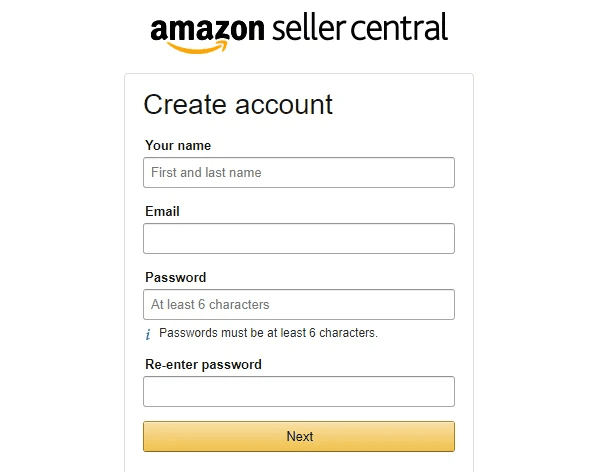
To sell on Amazon, you must first create a seller account via Amazon Seller Central. This is quite easy and takes a short time. You can open this account either with the e-mail address registered to your Amazon account or through a different e-mail account. After activating your business account, Amazon will ask for the country where you or your company is located and the business type.
2. Submitting Information and Documents Requested by Amazon
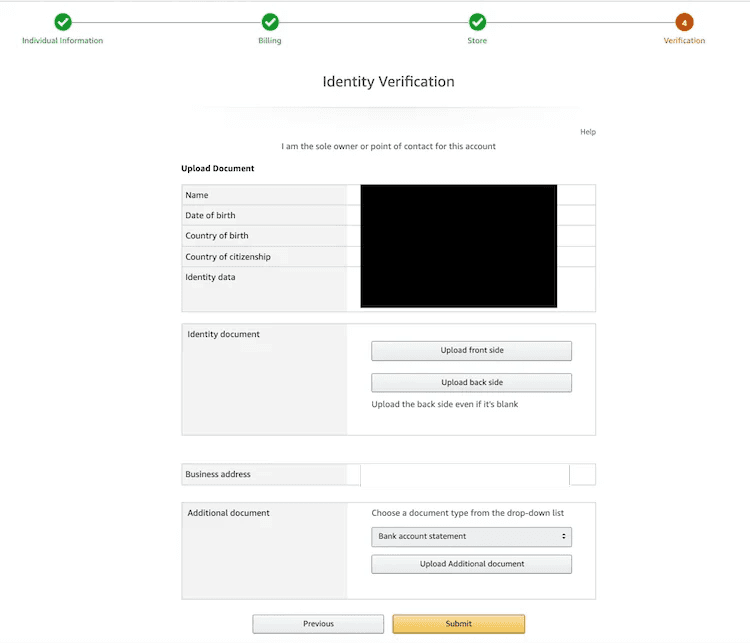
After the registration phase, Amazon will request many details and documents from you. It also asks you to upload some of these documents visually. This is applied to determine both your reliability and eligibility.
For multi-partnered and multinational global companies like Amazon, the requested information and documents can be much more detailed and time-consuming than they should be. In fact, if you have one or more business partners, you may even need to provide all documents belonging to the partners. In order not to encounter any negative situations, all requested information and documents must be recorded in their up-to-date versions.
3. Adding Your Products to the Amazon Inventory List
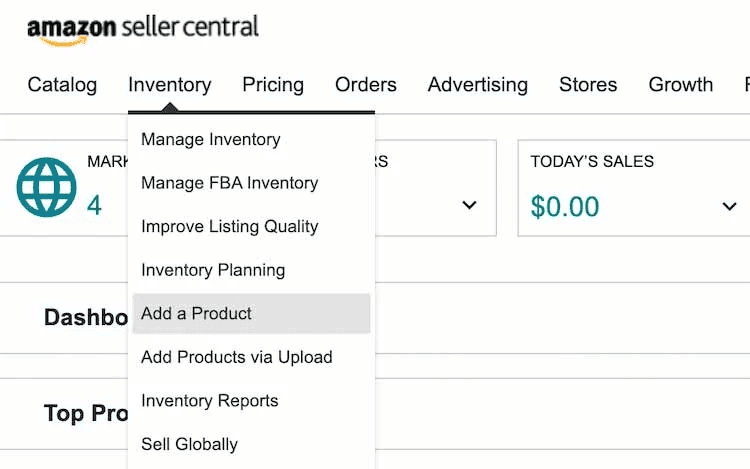
After completing the other processes, all that remains is to add the products you want to sell on Amazon to your inventory list. Here, you must add your products one by one by filling in the necessary information.
4. Receiving Orders and Shipping Products
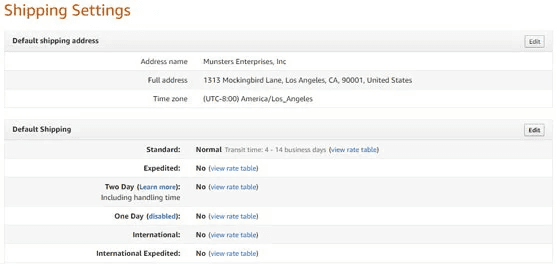
After all these processes, all that remains is to ship the products you received orders for. Although this seems like the last step, it is a very important one. You can check Navlungo's Amazon shipping service to ship your orders at affordable prices and reduce your costs.
How to Open an Amazon Store?
Opening an Amazon store involves a few very easy steps. After creating an account on Amazon Seller Central and completing the processes above, you can personalize your store.
If the products you will sell on Amazon belong to your brand, do not forget to register your brand with Amazon. This is very important both for brand awareness and to prevent future pirated sales.
Another issue is details such as adding a top banner space to your store and telling your story. Although these details seem unnecessary or trivial from a distance, most customers want to know who is behind the store and trust them before buying a product from someone they do not know. To ensure this, make sure you fill in all the details about your store.
How Long Does It Take to Open an Amazon Store?
When you complete all processes to open an Amazon store, Amazon requests a short approval period. During this approval process, the information and documents you send are reviewed by Amazon.
If there is no problem with the information and documents you submitted, your store will be opened by Amazon in a short time. At this point, no specific time frame is given by the company, but the approval process is generally completed within 1 week.

What Are the Documents Required to Sell on Amazon?
When registering, Amazon requests many documents from you. These are the documents requested to prove both your physical existence and to ensure that you meet Amazon's seller policies. So, what are the requirements to sell on Amazon?
• Credit card details
• Phone number information
• Documents related to the company type
• Company tax/registration number
• Official address details
• Citizenship ID details
• Bank account details to receive payments
The above documents are the ones Amazon will request from you when creating a seller account in Amazon Seller Central. Sending these documents completely will speed up your registration and approval process.
Is a Company Required to Sell on Amazon?
A company is required to sell through Amazon. But it is only limited to this. The company type is not important at this point. For example, by establishing a sole proprietorship at a very affordable price, you can start selling on Amazon in a short time.
So why does Amazon want a company? The most fundamental reason for this is to be able to issue invoices and solve tax-related issues. It is mandatory to issue invoices and pay taxes for each commercial sale, regardless of whether it is a physical or e-commerce environment. Otherwise, you may face serious crimes such as tax evasion.
How Much Capital Is Required to Sell on Amazon?
To sell on Amazon, you basically need to establish a company. The cost of establishing a sole proprietorship varies between an average of 800 TL and 1000 TL. After establishing the company, creating a seller account on Amazon is free.
All subsequent costs are the costs in all sales processes such as products, packaging, and shipping processes. If you want to reduce shipping costs to sell internationally from Amazon, you can get very affordable shipping offers by checking out Navlungo.

Which Products Can Be Sold on Amazon?
It is possible to sell most products on Amazon. You can basically sell in these 15 categories on Amazon, which has a very large and comprehensive category structure:
• Computer
• Baby Products and Accessories
• Electronic Products and Accessories
• Home and Kitchen Products
• Home Entertainment Systems
• Home Goods and Decoration
• Cameras and Photography Products
• Books and Derivatives
• Personal Care Appliances
• Office Products
• Game Consoles and Games
• Toys and Children's Games
• Sports and Outdoor Products
• Phones and Phone Accessories
• Clothing and Shoes
You can sell each of the above product types on Amazon, provided they are in brand new condition. When adding the products you will list to the platform's inventory, Amazon will request you to share some information about the products. This information consists of:
• EAN, UPC, or ISBN code of the product
• Full name of the product
• Details of the product
• Detailed images belonging to the product
• Price of the product
• Product stock status
• Some additional info depending on the product type
You need to enter the above information for each product, otherwise your products will not be listed and will be rejected by Amazon.
What Are Amazon Sales Commissions?
Amazon charges various commissions per sale depending on the product or product group. This is the case for all marketplaces. So, what are Amazon sales commissions?
CategoryCommission RateBaby products (excluding apparel)8% - 15%Beauty products8% - 15%Books, Music, DVD, etc.15%Camera and photo products8%Cell phone8%Apparel, shoes17%Electronics7%Electronic accessories8% - 15%Home decor10% - 15%Grocery8% - 15%Health & personal care8% - 15%Furniture15%Industrial tools and equipment12%Jewelry5% - 20%Musical instruments15%Office supplies15%Watches3% - 16%Video games and consoles8% - 15%
Although the above Amazon commission rates vary depending on the product you sell and its price, Amazon commissions are basically in this form.
Are Second-Hand Products Sold on Amazon?
There are certain rules regarding the sale of second-hand products on Amazon. The sale of second-hand or used products is prohibited in categories such as toys, beauty & personal care, health, jewelry, watches, shoes, and bags.
However, it looks favorably on the sale of toys or books considered collectible. Products can be sold in these categories with permission.
What Methods Are Used to Sell on Amazon?
There are three different seller types to sell products on Amazon. Each has its own advantages and disadvantages. You can make your Amazon sales using one of these three methods. So, what are these methods?
• Retail arbitrage
• Private label
• Wholesale
Retail Arbitrage
Amazon arbitrage, also known as retail arbitrage, is a product sourcing method where you buy a product from a retailer and then sell it at a higher price on Amazon.
For example, if any store is selling a 10-pack of pens at a 50% discount, you can buy them for $5 and sell them on Amazon for $10.
Private Label
Private label products are manufactured by a third-party manufacturer or company and then sold to another company to brand, market, and sell under their own brand name or label.
The manufacturer has no rights on the label or brand, and you decide on the product design, your brand logo, labeling, packaging, and all other creative elements. In other words, this option gives you the chance to create your own brand on Amazon.
Wholesale
Using the Wholesale model on Amazon means buying products in bulk directly from a manufacturer or distributor and then reselling these products to customers for a profit.
To be successful in Amazon wholesale, you need to establish business relationships with manufacturers, have some capital to invest in inventory, and learn how to navigate Amazon's policies and procedures.

How to Receive Amazon Sales Payments?
The money you earn from the sales you make through your Amazon store is deposited into the bank account you shared during registration every 14 days, after the commission fee is deducted.
For this reason, make sure that all the documents you provided during registration are up to date. Otherwise, you may experience problems in many processes, including receiving payments.
How Does Amazon Currency Converter Work?
For Amazon sellers, the currency converter uses the exchange rate from the day the transfer to your bank account is initiated. For scheduled payments that fail for any reason, the exchange rate on the day the transfer is re-initiated is taken as basis.
So, considering that you will receive payment once every 14 days, your payment will be deposited into your account at the exchange rate at the end of the 14th day.

How to Merge Amazon Global Accounts?
Merging accounts, formerly known as “linking accounts”, matches your selling experience in Amazon's international stores and makes managing your business easier.
You can access tools previously restricted to a single store and have the chance to get professional discount rates. The steps to be taken to merge global accounts are as follows:
• Log in to Amazon Seller Central and click Global Accounts from the Settings menu.
• Click on “Merge Accounts” on the Global Accounts page.
• Follow the instructions on the page and select the accounts you want to merge.
• From here, it will ask you to log in again. Use the email address and password of the other account you want to merge.
• If you logged in successfully, you will see a preview of the merged accounts.
• Click “Confirm and Merge”, read and accept the terms and conditions, and click “Confirm and Merge” again.
After performing these steps, your accounts will be successfully merged.

What to Watch Out for When Selling on Amazon?
After opening your store and deciding to sell on Amazon, the taxes and regulations of the place where you will sell can affect your business. These taxes and regulations vary from country to country depending on the marketplaces.
Each country has its own legal and industry requirements regarding product sales to buyers. There are laws regarding intellectual property rights, product safety, and other validity issues in the marketplace where you will sell. Here are the things to note in general outline;
• Tax and Customs
• Intellectual property rights
• Export controls
• Standards and active substances
• Environment, health, and safety
• Product compliance

What Are the Advantages of Selling on Amazon?
Is selling internationally on Amazon a right decision for you? So, what are the advantages of selling on Amazon?
• More sales
• International growth
• Low marketing cost
More Sales
Every month, millions of active customers visit the Amazon e-commerce site to buy products.
Every retailer automatically gains trust by listing their products on Amazon. This is because users are more likely to buy a product from Amazon rather than from a store they have never heard of before.
Amazon's promise of excellence and superb service encourages many customers to buy products from their websites. They have probably had a good experience buying on Amazon before, so your store automatically benefits from this.
International Growth
Since Amazon is one of the largest and most reliable global selling and buying platforms, it is very easy to start selling in different markets.
Although they are directly present in only 15 countries, they ship to over 100 countries worldwide. It depends on the shopper whether they are willing to pay a higher shipping cost depending on their location.
Low Marketing Costs
Amazon already attracts millions of customers to its websites every day, and you can reach them. Depending on your niche and how crowded the market is, you can start selling from day one without any significant marketing efforts. Since the Amazon website operates as its own search engine, customers looking for the products you offer can easily find you.
Of course, competition is fierce, and you need to stand out from the crowd. Having a carefully designed presence will help your efforts reach Amazon's massive database of customers. Any efforts you put into perfecting your listings have the ability to truly pay off.

What Are the Disadvantages of Selling on Amazon?
So, are there no disadvantages to making sales on such an advantageous platform? A platform in such demand naturally has its disadvantages as well.
• High competition
• Selling fees
• Order management
High Competition
If you are selling the same product as other sellers, you will compete with them for the Amazon Buy Box. Unlike Google Shopping, which organizes product pages by seller, Amazon's pages are ranked by products.
Therefore, when multiple sellers have the same product, Amazon decides which seller is the most suitable. When a customer clicks the Add to Cart button, the featured seller's products will be added to the shopping cart.
Selling Fees
Amazon charges retailers high commissions for each product sold through them. It is best to have a good idea of what these monthly fees will look like for you before you start.
Amazon's two selling plans:
• Professional - $39.99 per month with no per-item fee
• Individual - no subscription fee but a fee of $0.99 per item sold
If you are not sure yet what you will sell or if you sell less than 40 items a month, the individual selling plan is for you. Otherwise, it is best to upgrade to the Professional plan.
In addition, there will be a commission deduction per product as we mentioned above.
Order Management
If you are selling your inventory on multiple marketplaces, syncing orders is one of the first things you need to think about. For a constantly up-to-date centralized order management system, you must ensure that Amazon orders are fetched directly into your system.
Amazon is not integrated with shopping cart systems. This leaves sellers who sell their products across multiple channels in a very difficult position to manage orders and keep stock levels up to date.
Who Is Selling on Amazon Suitable for?
Small and medium-sized businesses often need to ask themselves different questions than large companies need to. So, is selling on Amazon worth it for you?
If the answer is yes:
• You can be competitive with your prices. This will help you avoid getting lost in the crowd.
• You can comply with regulations (e.g. replying to customer messages within 24 hours).
• If you are selling unique or niche products (including refurbished or used ones). The less competition, the better.
• You are not in direct competition with products sold by Amazon itself.
Amazon even has a section on its websites dedicated to supporting small businesses. You can find resources and testimonials there.
In the 2020 SMB Impact report, Jeff Wilke said, “supporting small and medium-sized businesses (SMBs) is a fundamental part of our business and an extension of our customer-centric culture.”
Below you can get more detailed information by watching the video of Navlungo CEO İsa Korkmaz and Tuger Akkaya about the opportunities of selling on Amazon.

Frequently Asked Questions About Selling on Amazon
You can access frequently asked questions and answers about Amazon selling below.
Does It Make Sense to Sell on Amazon?
It makes sense to sell on Amazon. If you have a product that will be effective in one of the world's biggest e-commerce giants, it can bring you a lot.
Can Anyone Sell on Amazon?
Yes, anyone can sell on Amazon. To do this, simply create a seller registration by providing the documents requested by Amazon.
Are There Taxes on Amazon?
Yes, there are taxes on Amazon. No matter which country you are in, you are obliged to pay taxes for your commercial sales.
What is Amazon's Logic?
Amazon is a marketplace. You can sell your own products on Amazon.
How to Ship Products Sold on Amazon?
You can ship the products you sell on Amazon to the whole world at very affordable prices via Navlungo.
Is a Tax Plate Required to Sell on Amazon?
A tax plate is required to sell on Amazon. Your tax number is requested when creating seller registration.