Summarize this text with artificial intelligence
Choose your preferred tool to generate a short summary of the text.
The international TEMU order process is not limited solely to the product reaching the buyer from the seller. Customs procedures constitute one of the most critical stages of this process. Issuing incorrect or incomplete documents can lead to products getting stuck at customs and delayed deliveries. Furthermore, taxes and procedures to be applied in import and export processes vary from country to country. Therefore, conducting correct transactions at customs for TEMU sellers both prevents waste of time and increases customer satisfaction. The importance of customs processes also manifests in sellers' cost calculations. Pricing made without considering tax rates, additional fees, and document preparation expenses reduces profitability. For this reason, country-based customs differences in logistics must definitely be researched and integrated into the sales strategy.
Customs Duties and Document Preparation
Calculating customs duties in international sales is one of the matters that sellers must pay the most attention to. Tax rates vary according to the type of products, their value, and the country they are sent to. Incorrectly declared product value or incomplete tax payment may result in the seizure of the shipment. Therefore, sellers must choose product categories correctly and examine the customs tariff codes of each country.
Besides this, e-commerce customs documents must be prepared accurately and completely. Invoice, packing list, transport documents, and cargo transit documents are among the mandatory documents in international shipments. TEMU sellers must ensure that the information on the documents is correct and, if possible, seek support from their logistics solution partners.
For customs processes to proceed smoothly in international sales, it is important to prepare and store documents digitally as well. Most countries now use electronic declaration systems. Therefore, sellers having their documents ready in digital format both speeds up the process and prevents potential document loss. Additionally, all documents must be checked multiple times to prevent incorrect or incomplete data entry.
Furthermore, sellers obtaining professional consultancy services for customs duty and document preparation provides a long-term advantage. It can be difficult to follow updates in customs legislation, especially for TEMU sellers who regularly sell to different countries. At this point, customs brokers or logistics solution partners guide sellers throughout the process, preventing both delays and punitive sanctions.
Logistics Planning in Import and Export Processes

Import and export processes are carried out not only by transporting cargo but also through comprehensive logistics planning. Sellers must examine the import procedures of the country they will ship to and find out in advance about product groups that pose an obstacle. Otherwise, products may be seized at customs or have to be returned.
Logistics planning includes many details such as the selection of the cargo company, routing determination, and calculation of delivery time. TEMU sellers should prefer fast and reliable logistics partners within the scope of cross-border delivery procedures. Additionally, they can minimize delay risks by planning ahead during peak periods.
Insurance planning in import and export processes should also be a part of the logistics strategy. In international transportation, products may face risks such as damage, loss, or delay. Therefore, sellers must secure their shipments with correct insurance packages. Thus, financial losses are prevented and potential problems that may arise with the customer are minimized.
On the other hand, taking country-based logistics differences into account is a critical element. Each country’s delivery infrastructure, customs processes, and logistics requirements may vary. Sellers should examine the local regulations and transport standards of the countries they will ship to, and adapt their logistics plans accordingly. This approach both prevents delays and strengthens the customer experience.
Cargo Tracking and Insurance Options in International Transport
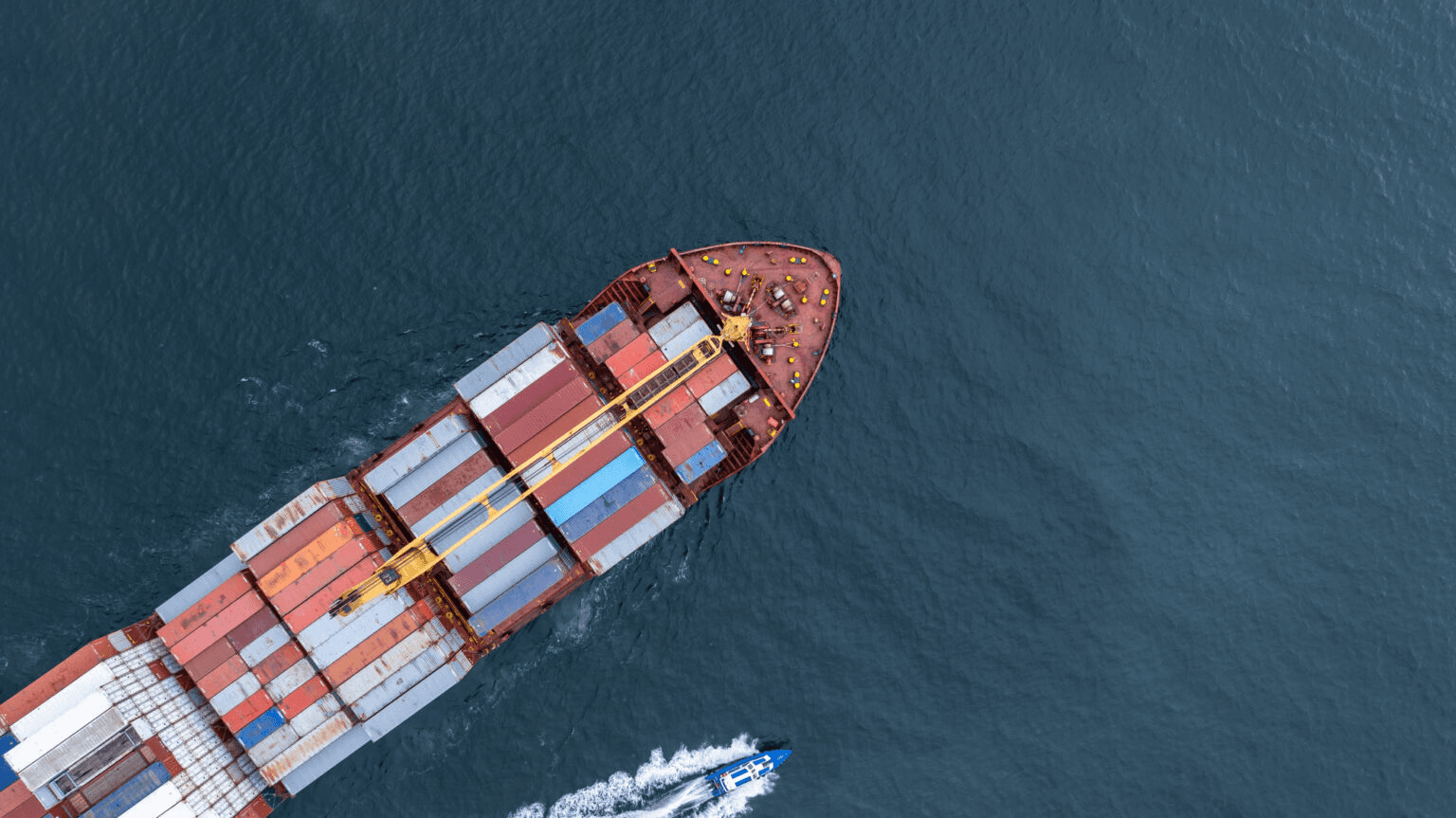
Cargo tracking systems in international shipments play a critical role in giving confidence to customers. The buyer wants to see at what stage their order is. For this reason, TEMU sellers should work with logistics companies that provide tracking numbers and instant updates. Besides this, cargo insurance should not be neglected. Loss, damage, or delay can occur in international transport. Insurance ensures a secure trading environment by covering the losses of both the seller and the customer. Insurance is an indispensable part of the logistics process, especially for high-value products.
Automating customer information processes in international logistics is also a method that increases trust. Stages such as the departure of the order from customs, its arrival at the transfer center, and its dispatch for delivery should be communicated to the customer via automated notifications. In this way, the customer is both informed about the process and can act preparedly in the face of possible delays.
Besides this, it is important for sellers to evaluate multiple transportation options. Air, sea, and land transport have different advantages. For example, while air cargo may be preferred for urgent deliveries, the sea route can be used for cost advantage. Choosing the right transport mode both optimizes costs and makes the delivery process secure.
Points to Consider at Customs to Prevent Delays

One of the biggest problems experienced in international cargo shipments is delays occurring at customs. Packages may wait for weeks due to missing documents, incorrect declarations, or unpaid taxes. To prevent this situation, sellers must check all documents prior to shipment. Additionally, customs control points and practices of different countries may vary. Some countries request additional health certificates or security documents. TEMU sellers must learn country-based customs differences and manage the process accordingly.
Another way to reduce delays in customs processes is to work closely with logistics solution partners. Experienced cargo companies know in advance which documents are required in which country and direct sellers correctly. This collaboration minimizes errors in document preparation and contributes to deliveries taking place on time. Furthermore, sellers must plan customs duty and fee payments in advance. Unexpected additional costs both lower profit margins and delay the delivery process. Therefore, customs duty calculation methods of each country should be examined, and cost management should be included in the process. Thus, both financial risks and delivery disruptions can be prevented.
Cost Management in International Logistics for TEMU Sellers

Costs in international shipments directly affect the profitability of sellers. Cargo fees, customs duties, and additional logistics expenses can increase the total cost. Therefore, sellers need to carry out cost optimization. Price quotes from different logistics companies should be compared, and discount opportunities in bulk shipments should be used. Additionally, sellers can shorten delivery times and lower costs with regional warehousing solutions. Keeping products in warehouses close to the customer both reduces the cargo fee and minimizes the risk of delay. Thus, TEMU sellers gain a competitive advantage in the international market.
Another method for sellers to reduce costs is to work with multiple logistics partners. Instead of being dependent on a single company, receiving service from different cargo providers provides both price flexibility and offers alternative solutions in unexpected delays. Thus, delivery times are balanced, and operational risks are reduced. Besides this, managing logistics processes with digital tools is also important. Cargo tracking systems, automated reporting, and inventory analysis allow sellers to perform instant cost control. In this way, it can be easily seen in which regions high costs occur and profitability can be increased with strategic decisions.
Using digital logistics platforms in cost management provides great convenience to sellers. Navlungo offers the opportunity to compare prices of different cargo and logistics companies on a single panel. Thus, TEMU sellers can both lower their costs and increase delivery speed by choosing the service with the most suitable price-performance balance.
In addition, the automation and tracking solutions provided by Navlungo help sellers manage their logistics operations transparently. Services such as quote collection, customs documents support, and instant cargo tracking ensure the smooth progress of the process. In this way, sellers achieve not only cost advantage but also operational efficiency.