Summarize this text with artificial intelligence
Choose your preferred tool to generate a short summary of the text.
Digitalization in E-Export in 2026

The year 2025 will be a period in which digital transformation in e-export accelerates. Businesses are turning to artificial intelligence-based order engines, automated inventory management systems, and real-time logistics tracking solutions to manage their operations more efficiently. Thanks to digitalization, even small businesses acquire a professional structure capable of competing with large-scale brands.
The integration processes of sales platforms are taking on a much more advanced structure. In this way, product listings, stock tracking, price updates, and order flows can be managed through a single panel. In 2025, businesses that adopt digitalization will both increase their operational speed and control their costs better.
AI-Powered Logistics Solutions
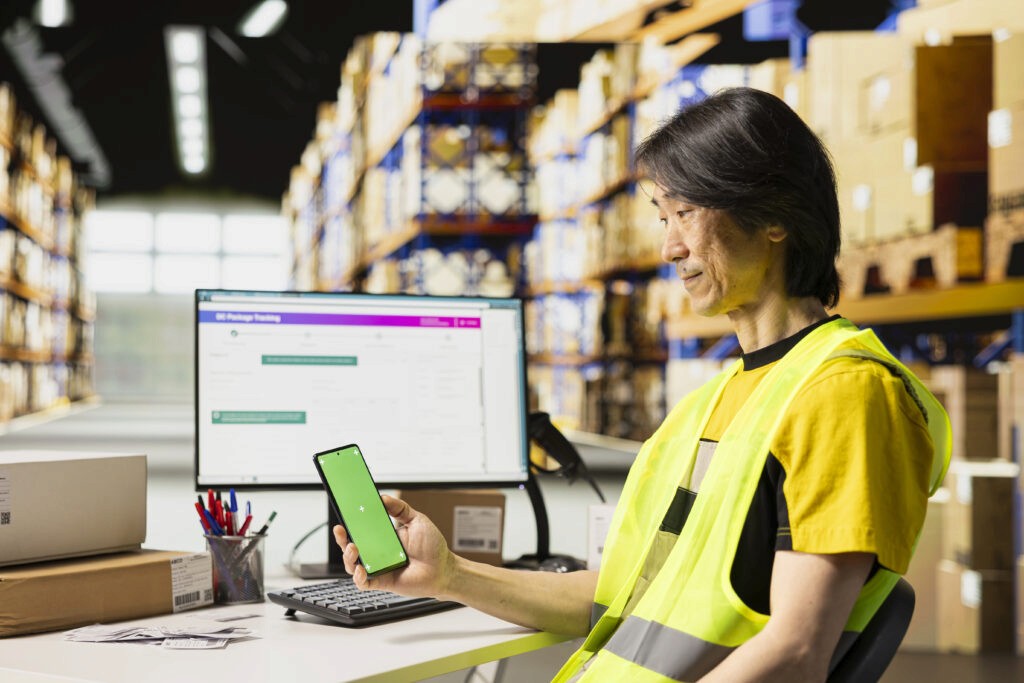
Artificial intelligence is becoming one of the most critical logistics tools in e-export in 2025. Stock demand forecasting, route optimization, cargo delay prediction, automated packaging planning, and customer behavior analysis are among the primary areas where AI will be used in logistics. Especially during high-order periods, AI minimizes delivery times by determining which product should leave from which warehouse.
AI-powered chatbots and automated customer service applications increase satisfaction by providing instant responses to international customers. In 2025, when competition in e-export is intense, AI is becoming an indispensable element that provides speed, accuracy, and cost advantages in logistics operations.
Delivery with Drones and Autonomous Vehicles

In 2025, delivery technologies will cross an important threshold. Drone delivery models are transforming urban distribution by providing a speed advantage, particularly for short-distance and lightweight packages. With drones starting to be used extensively in the USA, Europe, and the Far East, delivery times will shorten significantly.
Autonomous delivery vehicles, on the other hand, will reduce costs by decreasing the need for human resources in both urban and inter-city distribution. These AI-powered vehicles will analyze traffic density to determine the fastest delivery route. This technology is preparing to enter the standard services of major e-export platforms in 2025.
Green Logistics and Sustainability Trends
The year 2025 will also be one of the periods when sustainable logistics solutions gain the most importance. Reducing carbon footprint, using recyclable packaging, energy-saving warehouses, and eco-friendly delivery methods are becoming the priority of businesses.
Consumers now prefer to shop with environmentally conscious brands, not just for fast delivery. For this reason, businesses aim to meet customers' expectations with sustainable packaging materials, green delivery choices, and environmentally friendly supply chain models. Green logistics is becoming even more widespread in 2025 as an approach that both enhances brand prestige and provides long-term cost savings.
With the strengthening of the sustainable logistics approach, many countries are preparing to make environment-oriented trade standards mandatory. This situation makes it necessary for businesses engaged in e-export to transition to green logistics practices not only operationally but also in terms of legal compliance. Carbon-neutral shipping certificates, low-emission transportation lines, and eco-friendly warehouse management systems are starting to be among the important elements of gaining competitive advantage in international trade. Brands that adapt to this transformation find both opportunities to expand their market share and stand out with their eco-friendly identities in global branding processes.
New Logistics Models in Global Markets
With the expansion of global trade in 2025, logistics models are also diversifying. Regional fulfillment centers, multi-warehouse management, hybrid cargo models, and country-specific logistics planning enable businesses to make faster deliveries. Especially in the US, European, and Middle Eastern markets, the increase in localized warehouse structures contributes to making e-export more efficient.
New customs regulations and digital customs systems speed up transactions. Electronic declaration systems, automated document verification algorithms, and online customs control processes reduce customs clearance times in major markets. This transformation allows e-exporters to run their operations in a more modern and flexible structure.
The diversification of global trade networks also strengthens collaborations in logistics. In 2025, many countries are focusing on developing common transport corridors, integration-supported customs programs, and accelerated transit agreements to facilitate cross-border trade. Thanks to these structures, businesses can deliver their products to different regions at lower costs and in shorter times. In addition, logistics companies offer higher efficiency at every stage of the supply chain by optimizing route planning with systems based on data sharing. Such an environment significantly increases competitiveness by reducing the logistics obstacles faced by e-exporters when entering global markets.
Applications Enhancing Customer Experience in E-Export

In 2025, the customer experience in e-export will be evaluated not only on product quality but also on the variety of services offered. Real-time order tracking, multi-lingual customer services, personalized campaigns, and fast return processes are becoming the fundamental elements determining customer satisfaction. Digital experiences such as augmented reality applications, product prepviews, and personal shopping recommendations are being used more frequently to facilitate consumers' decision-making processes. International buyer-specific pricing and customized delivery options also positively affect the sales performance of businesses.
In 2025, the customer experience will also be built on transparency and trust. Consumers will want to see consistency in the brand's communication with them, not just speed in the order processes. Sharing delivery stages clearly, being able to track every step of the shipment, and flexible delivery options shaped according to customer demand will strengthen the brands' perception of credibility. In this way, businesses engaged in e-export will have the opportunity to increase user loyalty by gaining a stronger position in competitive markets.
Topics E-Exporters Need to Prepare for in 2025
Businesses that want to prepare for 2025 need to adopt new technologies early, integrate sustainability practices into their business models, and adapt to new logistics solutions. AI investments, modern warehouse management software, eco-friendly packaging options, and a multi-channel customer service approach offer a great advantage to businesses.
Closely following regulatory changes in global markets is also important for renewing cargo shipping agreements and reshaping fulfillment strategies according to current expectations. In this period when technological transformation is accelerating, businesses must have a flexible, innovative, and data-driven logistics structure.
2025 represents a new era in e-export and logistics focused on speed, technology, and sustainability. The spread of artificial intelligence, digital customs processes, autonomous delivery solutions, and eco-friendly logistics models enables businesses to offer stronger proposals in the global market. Brands that adapt to these innovations, which directly affect both customer experience and operational efficiency, will achieve a significant competitive advantage in e-export. You too can make the best use of the opportunities offered by 2025 by strengthening your logistics infrastructure, integrating digital trends into your business model, and taking the right strategic steps.
Also, if you want to start selling on Amazon newly, you can check out our blog post titled How to Sell on Amazon? Amazon International Sales Guide .