Summarize this text with artificial intelligence
Choose your preferred tool to generate a short summary of the text.
Most e-commerce entrepreneurs start by selling their products directly to consumers. However, wholesaling also offers a series of advantages. This is because wholesalers do not struggle with managing and supporting individual customers.
In other words, through wholesaling, you establish lucrative partnerships with various businesses, which gives you the chance to increase your revenue. Additionally, you can reduce your marketing costs by enabling customers to purchase products simultaneously.
Instead of worrying about finding customers and making sales, you can focus your efforts on product design and innovation. This helps you beautify your brand and streamline your operations.
In this content, we will explain how to carry out a wholesaling business and how you can benefit from the $12.3 trillion wholesale business according to IBIS World statistics. Let's get started.
What is Wholesaling?
The act of buying and selling products in bulk is called wholesaling. Generally, products are sold at a discount, allowing merchants to generate a profit. This is because merchants sell the products to customers at a higher price.
Wholesale e-commerce products can be sold to both consumers and retailers. You do not have to choose one. An obvious example of the wholesale business model that comes to mind is the Walmart brand.
You do not need tons of money to start a wholesaling business. Furthermore, with the rise of B2B marketplaces like Alibaba, Handshake, and Faire, the wholesale landscape has transformed for both large and small businesses.
When researching international wholesale websites, it is clear that they offer a modern and convenient shopping experience. In other words, wholesale websites continue to adapt to buyer expectations. The wholesale market meets buyers' demands for efficiency and variety.
Elements of Wholesaling
There are key players in the wholesale process: the manufacturer, the wholesaler, and the retailer. All three are highly essential in the wholesaling business. Now, let's look at the details of these elements.
1. Manufacturer
In the wholesale process, the manufacturer helps you create your entire legacy. They use workers and machinery to work throughout the supply chain to finish products. For example, let's say you sell cauliflower.
The manufacturer is the gardener. They cultivate the soil, nourish the sprouts, and harvest the vegetable. They then communicate with the wholesaler, who takes on the distribution responsibilities.
2. Wholesaler
The wholesaler purchases the products from the manufacturer. They then distribute them in bulk to retailers. Buying in bulk allows them to purchase products at a discount and sell them to retailers at a higher price.
In other words, wholesaling is the business of identifying grocery stores or markets that might be interested in the product and taking responsibility for delivering these products to them.
3. Retailer
In wholesaling, the retailer purchases a specific quantity of products from a wholesaler and sells them to their customers. Additionally, the retailer faces the uphill battle of making the customer desire the product.
What are the Types of Wholesalers?
There are three main types of wholesalers operating in the wholesale market. The three are very different. For this reason, companies must take extra care when becoming or choosing a wholesaler. Here are the types of wholesalers.
1. Merchant Wholesalers
Merchant wholesalers are what come to mind when you hear the word "wholesaling." In other words, merchant wholesalers focus on buying, storing, and reselling products they obtain directly from the manufacturer.
They want to take over bulk purchasing and the entire sales approach. The manufacturer delivers the product, and then the merchant wholesalers assume all responsibilities.
2. Sales and Distribution Manufacturers
Sales and distribution manufacturers are distributors that wholesale their own products. Basically, the manufacturer prefers to sell their own products in bulk. However, they can also keep the wholesaling process separate from production, which requires them to establish a wholesale branch.
3. Agents and Brokers
Agents and brokers adopt a less hands-on approach. They do not purchase and sell the product themselves. Instead, they act as representatives of the manufacturer. They do this by leading negotiations and contract discussions with the retailer. They do not take ownership of the product; they only represent the manufacturer.
What is the Difference Between a Distributor, a Wholesaler, and a Retailer?
The wholesaler, retailer, and distributor work together in the commercial field. However, the difference between them may not be very clearly known. Now, let's examine this in detail!
• A wholesaler acts as a link between the manufacturer and the retailer. They can participate in the resale of many products in various sectors.
• A distributor is hired by the manufacturer to sell their products to the wholesaler and the retailer. Unlike the wholesaler, they operate within the narrow confines of their own industry. They cannot sell competing products. In other words, a wholesaler who chooses to remain bound to a specific sector and avoid competing products is called a distributor.
• A retailer is a person or entity that sells products directly to the end user. They buy their goods from a manufacturer or wholesaler. They increase prices to raise their profit margins. Additionally, they purchase products according to the needs of their target audience.
What is the Difference Between Wholesaling and Dropshipping?
It is common for sellers to confuse wholesaling and dropshipping, as both involve purchasing in bulk and encompass reselling. Furthermore, both are among the highly popular product sourcing and distribution methods.
Understanding the difference between the two helps you navigate your business model effectively. So, let's discover their differences.
• Wholesaling generally distributes goods in large quantities to the end user. Wholesale buyers purchase products from the manufacturer at a low price and sell them to retailers at a high price.
• Dropshipping allows companies to sell products without carrying any inventory. In other words, it is a popular way to start an online business. With dropshipping, retailers have customers place orders directly with their suppliers, who then ship the product to the buyer. Thus, sellers do not have to purchase and store the products themselves.
• Wholesaling and dropshipping differ based on how involved the manufacturer is in the order fulfillment process. Not having to worry about storage space is a major advantage of dropshipping, as managing inventory and stock can be quite tedious.
• Dropshipping companies do not need to pay upfront for products, as products are created as they are ordered. However, because products go directly to the end user, they do not pass through quality control. For this reason, companies may choose wholesaling to closely monitor delivered products and ensure high quality.
How are Wholesale Products Distributed?
Wholesalers buy goods from a distributor and then transfer them to the retailer to deliver to the end user. Wholesale suppliers source trending products for retailers.
In other words, when a trend is identified, wholesalers determine the most cost-effective products among numerous manufacturers and distributors. They then source these products. Wholesale operators also transfer these products to retail businesses for purchase.
What is Wholesale Pricing?
The wholesale price is the price a manufacturer charges for a bulk order. Consequently, since products are purchased in bulk in wholesaling, a significant discount can be requested from the manufacturer, which allows a profit to be made in wholesaling.
For example, a wholesaler buys 500 products for a total of $2,000. In this case, the cost of each product is $4. The wholesaler can then sell these products to retailers in groups of 50 for $400. This increases the price per product to $8, making wholesaling profitable.
Where Do Wholesalers Buy Goods?
Wholesalers buy goods from the places where manufacturing takes place. At the same time, they also purchase them through distributors. Sometimes they make agreements with companies that sell products nearing their expiration date, ensuring their distribution to necessary places.
In other words, they usually do this from factories, importers, or distribution centers. They can use different sources depending on the type of goods they will purchase and the sector.
How Many Dealers are Required for Wholesaling?
The number of dealers you will need for wholesaling can vary depending on the size of your business, your product variety, and your target market. In other words, there is no specific standard number of dealers in the wholesale business, as every business can have different needs.
If you need a larger geographic reach or a wider range of products, you may require more dealers. Additionally, your business's distribution network can affect your number of dealers.
What are the Advantages of Wholesaling?
Buying and selling wholesale products can help you generate a consistent income. As long as you can source products and deliver them to retailers, you can run a successful wholesale business. So, let's take a close look at the benefits of this business model.
1. You have lower overhead costs
E-commerce wholesalers offer products at a discount, but by wholesaling, you save on overhead costs. You do not need to spend time packaging and shipping each product individually.
This can free your brand from most cost expenses. In other words, you do not have to deal with marketing expenses either.
2. Your brand awareness increases
If you sell your products in a wholesale environment, you work with a retail company to attract more customers. Thus, you get the chance to leverage the brand reputation of this retail company.
Securing more physical and virtual shelf space for your products can increase their awareness. Over time, partnerships with retail companies can open doors to new opportunities.
3. It allows you to enter new markets
Your relationships with retail customers can enable you to enter new markets. If you decide to expand from wholesaler to retailer, you do not need to re-establish a presence in a different market.
In other words, you can easily move your product into an existing retailer's portfolio. Therefore, you do not exert effort to enter new markets.
4. It yields high revenue with few transactions
Particularly when you sell wholesale products with high profit margins, you earn high revenue with few transactions. Additionally, wholesaling to retailers means you can move many products in a short time.
You should also ensure your customers purchase subscriptions so that they do not run out of inventory. This can provide your business with a regular stream of income.
What are the Challenges of Wholesaling?
Wholesaling involves fairly simple processes. However, challenges can sometimes be encountered. In other words, you must proceed while knowing what these challenges are. So, let's examine together what these challenges are.
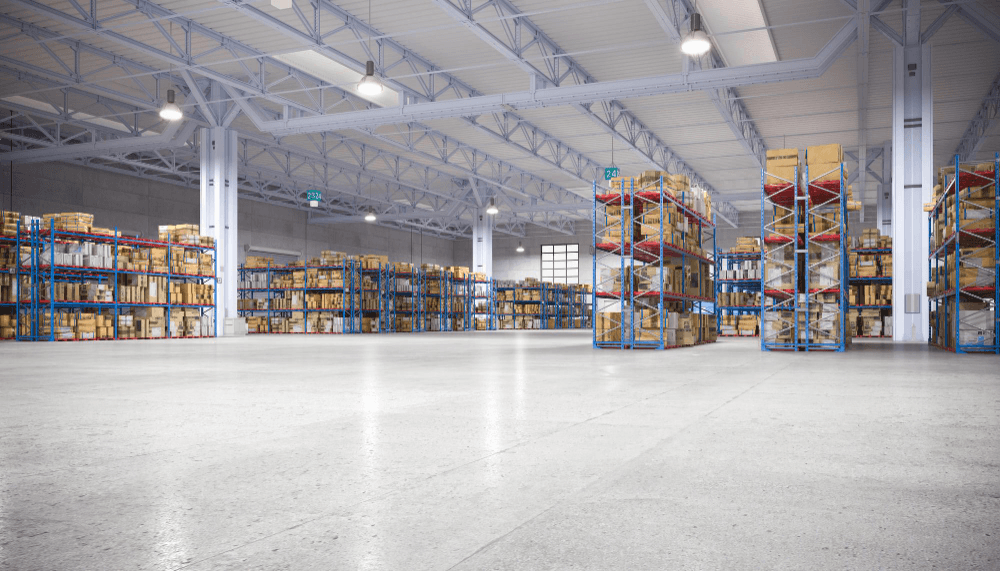
• It requires extensive warehousing. For this, it is necessary to work with companies that are experts in their fields. ParkPalet stands by you for your warehousing solutions.
• Profits are fixed for manufacturers and wholesalers. However, for wholesaling to be valuable, everyone needs to win.
• It can take a very long process for a product to reach the user. In other words, manufacturers and wholesalers can face difficulties connecting with their target audiences.
• Wholesaling has communication limitations. This can prevent you from creating a clear brand identity because consumers communicate directly with retailers. In other words, consumers can increase the awareness of the brands they interact with directly.
How Much Capital is Required for Wholesaling?
The capital required for a wholesaling business can vary based on several factors. Factors such as product type, quantity, marketing strategies, and business size affect the capital requirement.
For a small wholesaling business, a few thousand dollars may be sufficient. More capital may be required for businesses with a larger and wider product range. It is possible to determine the capital you need by making a detailed business plan and cost analysis.
How is Wholesaling Done?
If you are wondering how wholesaling is done, you need an excellent marketing plan. In addition, you must know the answer to the question of how to buy wholesale products.
1. Decide which wholesale products you will sell
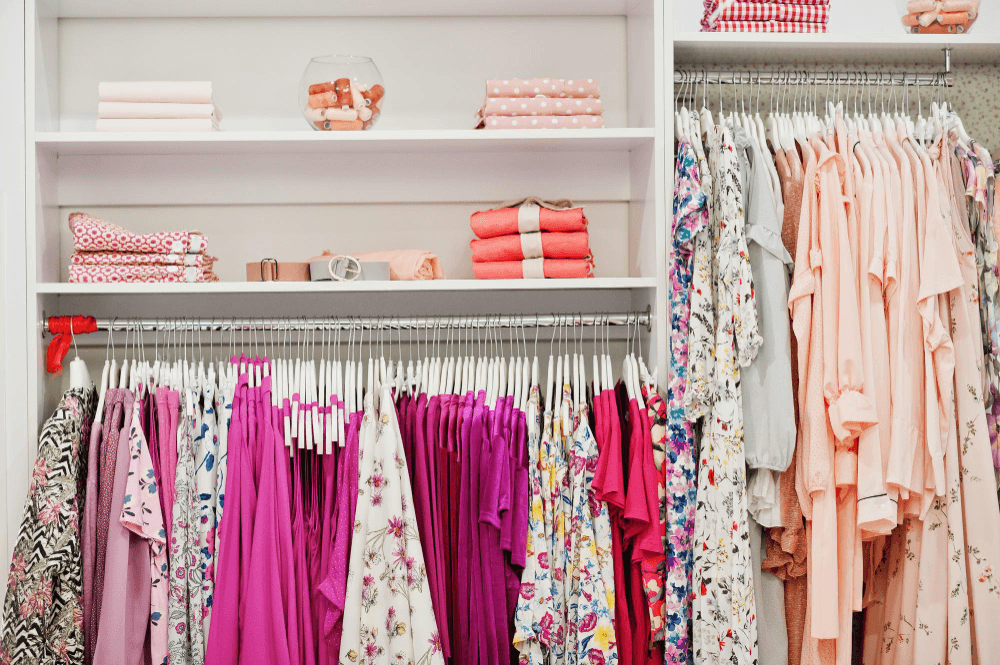
How is wholesale product selling done? First, you must decide which wholesale products you will sell. For example, you might want to turn to the wholesale clothing sector. For this, you should research the best-selling products in the clothing industry. There are many wholesale products you can sell as a business.
You must find suppliers from whom you will source your products. You should work with reliable and quality suppliers. You must establish an inventory tracking system and logistics methods.
2. Determine a pricing strategy after renting a wholesale location
Once you have determined which sector you want to wholesale in, you must rent a shop, warehouse, or office. You should register your business name, determine your entity type, and obtain necessary permits in accordance with local regulations.
Next, you must determine pricing strategies to run the wholesale business successfully. This gives you the chance to make progress while protecting your profit margins. You must conduct the necessary research for a profitable pricing strategy.
You should start by researching the pricing strategies of the wholesalers you will be competing with. If you set a price much higher than other wholesalers, you risk losing your business.
On the other hand, when you set a price much lower than other wholesalers, your profit margins details drop. You must take care to maintain a balance. Ensuring a fair price balance is highly important for your retailers to be successful.
This allows your retailers to increase their revenue, which in turn enables your business revenue to grow.
3. Register on a wholesale marketplace
Modern retailers find their products on wholesale marketplaces. For this reason, you should register on some of the popular marketplaces. Of course, you can also create your own B2B e-commerce site.
You should take care to work with the right marketplaces. The best wholesale marketplaces integrate with your existing channels. Consequently, you do not have to make an effort to connect with new customers. Additionally, you must follow the rules of the wholesale marketplaces, otherwise, your brand reputation could be damaged.
4. Determine payment terms for wholesale orders
Payment terms allow you to determine how long businesses have to make a payment. In other words, you can set payment terms for every company you sell to via B2B. Once you determine the payment terms, you ensure your team proceeds in a professional manner.
For example, let's say a business purchased your products. You can ship your products as soon as you receive the payment. At the same time, your retailers can make payments periodically or along with the order.
You should provide payment terms by researching them thoroughly. Researching what payment terms other wholesalers use can help you get ideas.
5. Partner with complementary brands
When wholesaling, you can partner with complementary brands. You always need a large customer pool to scale your business. In other words, you should partner with complementary businesses in your chosen market.
This can enable you to gain more visibility and sales. You should conduct thorough research to identify the right business partners.
You need to find businesses that can complement your offering. At the same time, you should proceed with these businesses using a win-win strategy.
6. Make sure your product descriptions and photos are professional
Retailers pay attention to your product descriptions and photos. This way, retailers get an idea about your products before shopping from your business.
If you want to make a solid impression on buyers, your product descriptions must be professionally written. Additionally, you should ensure that your product photos are professional.
You must also pay attention to the background lighting of your products. Natural lighting yields an effective result for most products. In the description section, you should focus on what kind of benefits your products will offer to customers.
In other words, retailers need to believe that your products will offer benefits to their customers. This way, retailers can become loyal customers of your store.
7. Offer incentives to motivate buyers
You should not offer incentives and deals only for consumers; you must also offer incentives and deals for businesses. For example, you should provide discounts and opportunities on your customers' first purchases.
You should offer free delivery when a customer places an order of a certain amount. You must provide various payment terms. You should offer discounts on bundled products, or provide free samples and testers.
What are the Required Documents to Start a Wholesaler?
The documents required for wholesaling can vary depending on local regulations, the type of businesses, and the country or region you are in. However, generally, the following documents are required:
• Lease agreement
• Title deed photocopy
• Certificate of activity
• Sales permit certificate
• Tax identification number
• Customs documents (for import and export)
• Environmental permits
• Criminal record certificate
• Chamber registration
• Fire department compliance report
• Social Security Institution (SGK) entry declaration
• Signature circulars
• Trade registry gazette announcement
• Product certificates and permits
• Work permits
Advice for Those Who Want to Start a Wholesaling Business
There are a few things that companies choosing to enter the wholesaling business as a manufacturer, retailer, or wholesaler themselves must keep in mind. Here is some advice for those who want to do wholesaling business.
• You must definitely conduct market research. You should research your sector, market trends, competition status, and customer demands.
• You should prepare a good business plan because a good plan is necessary for shaping your business.
• You must find reliable suppliers. You should choose people from whom you can source your products reliably and at affordable prices.
• You must attach importance to quality and reliability. You should pay attention to stock management, adjusting your stocks according to your needs.
• You should always value customer relationships. You must attach importance to customer satisfaction.
• You must regularly analyze your business's performance. You should determine which products sell well and ensure financial discipline.
• You should assess potential risks in advance and take precautions against these risks.
• You must follow the steps required to legally set up your business. You should register your business name and obtain the necessary permits.
Profitable Business Ideas for Wholesaling
There are profitable businesses to wholesale. In other words, if you are looking for the answer to the question of what wholesale business I can do, these business ideas can increase your profit margin:
1. Food Wholesaling
The profit margin in food wholesaling is quite high. However, first, you need to prepare a food wholesaling business plan. You can serve a large customer base by supplying food products for restaurants, cafes, and supermarkets.
2. Textile and Clothing Products
You can provide clothing and accessories to clothing stores, online sellers, or other retail businesses. You can also target sectors like restaurants and hotels where uniforms are worn.
3. Electronic Devices
You can target electronic products such as mobile phones, tablets, and computers. You can supply these products as wholesale to retailers and online platforms.
4. Pet Supplies
You can proceed with pet supplies such as treats, collars, and pet food. However, you must take care to offer quality products at affordable prices. This way, you can get a chance to stand out in the competition.
5. Toys and Children's Products
You can supply products such as toys, baby products, and children's clothing as wholesale to retail sellers.
6. Hobby and Sports Products
You can provide sports equipment, hobby products, or gear required for outdoor activities to retail sellers. In other words, you can wholesale in this field.
7. Cosmetics and Personal Care Products
You can supply makeup products, skincare products, or personal care products as wholesale to retail sellers.
8. Automotive Parts
You can supply products geared toward the automotive sector, such as car parts, accessories, or maintenance products, as wholesale.
9. Home Electronics and Appliances
You can offer products such as major appliances, small household appliances, and cleaning equipment as wholesale to retail sellers or online platforms.
Frequently Asked Questions
Who is called a wholesaler?
Merchants who engage in wholesale selling are called wholesalers.
What does wholesale product mean?
Products that are generally sold in large quantities are called wholesale products.
What does a wholesaler do?
They act as a bridge between manufacturers and consumers. They undertake the business of buying and selling products in bulk.
With some knowledge and the right steps, it is possible for you to make progress in the wholesaling business. We Wish You High Sales!