Summarize this text with artificial intelligence
Choose your preferred tool to generate a short summary of the text.
The TSCA certificate is a certification that verifies whether chemical substances and products comply with specific conditions and regulations before entering the American market. This document not only establishes the legal framework for commercial transactions but also assesses the potential effects of products and substances on human health and the environment.
In this article, we will examine in detail the definition and importance of the TSCA Certificate, and why this document is so critical for the chemical products market in America.
What is a TSCA Certificate?
The TSCA Certificate is a federal law that provides oversight on the manufacture, import, processing, and use of chemical substances in the United States. Known as the "Toxic Substances Control Act," this law was enacted in 1976 and is administered by the Environmental Protection Agency (EPA).
The TSCA certificate is used to assess, monitor, and, if necessary, place restrictions on the potential harms of chemical substances to human health or the environment.
The TSCA certificate requires chemical substances to be tested and approved for compliance before they are put on the market. Therefore, for businesses manufacturing or importing chemical products in America, this certificate is highly important in terms of legal compliance and product safety.
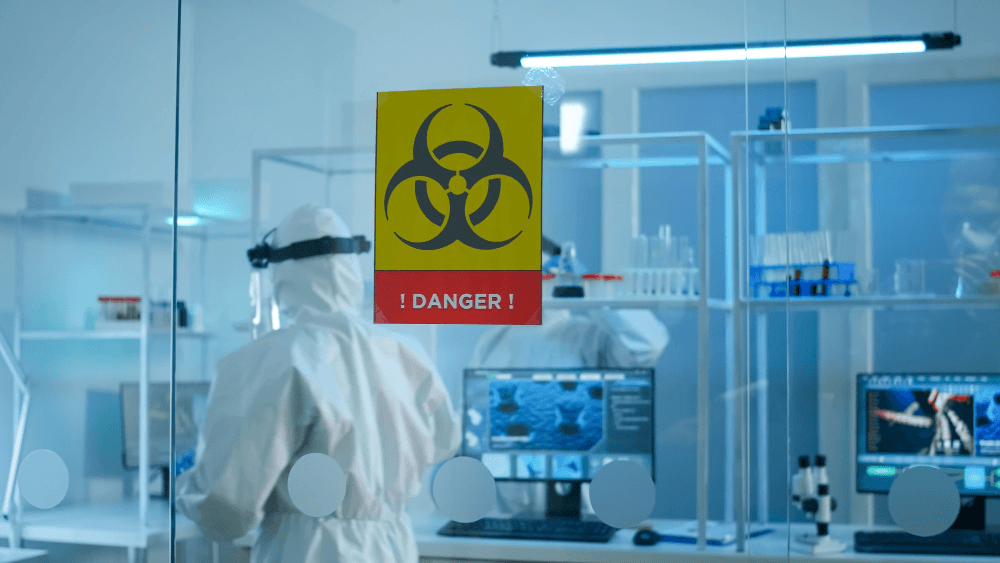
Purpose and Scope of the TSCA Certificate
The main purpose of the TSCA Certificate is to minimize the risks associated with the manufacture and use of chemical substances in the United States. These risks are assessed by the Environmental Protection Agency (EPA) through various tests, inspections, and permits.
TSCA is designed to identify potential harms that chemical substances might cause to human health or the environment at an early stage. Thus, it aims to prevent harmful chemical substances from being placed on the market.
In terms of scope, TSCA is quite broad. This certificate covers a wide range of chemical products and substances such as industrial chemicals, cleaning products, cosmetics, and food additives. However, certain categories like specific medical products and pesticides are outside the scope of this certificate.
Where to Get a TSCA Certificate?
The TSCA Certificate is issued by the United States Environmental Protection Agency (EPA). Businesses can apply for the certificate through the EPA's official website.
The application process includes the testing, analysis, and documentation necessary to determine if your product or chemical substance complies with the TSCA law.
How to Fill Out the TSCA Certificate?
To obtain a TSCA Certificate, various forms and documentation must be completed. Although this process may seem complicated, there is a step-by-step roadmap that can be followed. Here are the basic steps on how to fill out the TSCA Certificate:

Step 1: Gather the necessary information
The first and most important step in filling out the TSCA Certificate is to gather all relevant information. This information should include detailed data about the chemical product's content, properties, potential areas of use, and risks. Specifically, providing detailed information about the chemical substance's content, molecular structure, and physical and chemical properties helps in filling out the form accurately and completely.
Additionally, information regarding the purpose for which the product or chemical will be used and in which industries it can be utilized may be required. The step of gathering the necessary information is of critical importance to minimize any issues that may be encountered later in the process.
Step 2: Visit the EPA website
The EPA's official website is the most reliable resource for businesses and individuals who will apply for a TSCA certificate. The site contains up-to-date information, forms, and documentation regarding the certificate. There are also detailed instructions on how the application process works.
When visiting the website, a careful review is necessary to determine which form is best suited for your situation. Determining which form is required ensures that your application is processed quickly and completely.
Step 3: Fill out the forms
The process of filling out forms is usually the most time-consuming step and one that requires the most attention. These forms ask for the properties of the chemical, its potential areas of use, as well as handling and storage methods.
In addition, information such as the potential hazards of the chemical and emergency procedures may also be requested. A carefully and completely filled out form greatly facilitates your application getting a favorable response.
Step 4: Meet additional documentation requests
In some cases, simply filling out the form may not be sufficient. The EPA may request additional documentation or test results regarding the toxicity levels of the chemicals, their environmental impacts, or their potential effects on human health.
This information must be provided by independent laboratories or research institutions. Additionally, it is highly important that this information is up-to-date and accurate.
Step 5: Submit the forms
Once you are sure that the forms and additional documentation are complete, you reach the stage of submitting them to the EPA. Most applications can be made online through the EPA's official website.
However, in some cases, submission by mail or in-person delivery may be required. Which method is chosen depends on the type of application and requirements.
Step 6: Wait for approval
After submitting the forms and related documentation, the EPA will review your application in detail. It will then make a decision to approve or reject based on the outcome.
The duration of the evaluation can vary depending on how detailed and complex your application is, and how accurate and complete the information you provided is. Completing the application stages carefully and thoroughly ensures that the EPA completes the evaluation process more efficiently and quickly.
What Does the TSCA Certificate Do?
The TSCA Certificate is a critical compliance certificate for the manufacture, import, sale, and use of chemical substances and products in the United States. This certificate evaluates the potential hazards of chemicals to human health and the environment.
Furthermore, it provides oversight by considering the potential risks of new chemicals before they are launched on the market. The certificate also provides a valuable resource for future risk analyses by creating a comprehensive database of chemicals.
From a business standpoint, this certificate ensures compliance with federal laws and high consumer trust. It is also a commercial necessity for international businesses planning to import products to America. In this context, the TSCA Certificate guarantees chemical safety and regulatory compliance while fulfilling a number of important functions for the benefit of consumers and businesses.
Points to Consider with the TSCA Certificate
The critical points you need to consider in order to obtain a TSCA Certificate and use this document effectively for your business are as follows:
Keep your information up to date
The regulations implemented by TSCA and the EPA are dynamic and may vary over time. Therefore, it is of great importance for businesses to closely follow and stay informed about the latest regulations.
Having up-to-date information is critical both for legal compliance and for avoiding potential penalties or sanctions. Changes made in the regulations directly affect the operations and processes of businesses. For this reason, regularly participating in sectoral information and training seminars, and following current publications and notifications is highly beneficial for businesses.
Provide detailed documentation
A detailed documentation process is required when applying for a TSCA Certificate. It is of great importance to present all test results, documentation, and additional information required throughout the application process completely and accurately.
Providing misleading or incomplete information may lead to the rejection of your application, as well as expose you to legal sanctions. Additionally, incomplete documentation causes businesses to lose time and resources.
Follow the risk assessment process
A comprehensive risk assessment is conducted to determine the potential impacts of chemical substances or products on human health and the environment. These assessments are usually carried out by independent laboratories.
Risk assessment plays a critical role in determining whether the product can be safely used in the market.

Consider the timing
TSCA Certificate applications are complex and can take a long time. Especially if entry into a new market is planned or a new product launch is to be made, this process must be taken into consideration. Applying early and managing the process well prevents unexpected delays and potential obstacles.
Get consultancy services
Since the process of obtaining a TSCA Certificate is complex and filled with technical details, obtaining services from expert consultants in this field can be beneficial for businesses. Experts can speed up the application process, and guide businesses by identifying potential obstacles and problems in advance.
Comply with international business regulations
Obtaining a TSCA certificate as a business outside of America goes beyond achieving compliance with national laws and regulations. International businesses must comply with America's specific chemical regulations so that their products can enter the American market without any problems. In addition, making the correct documentation and certifications when importing to America ensures that customs procedures are completed quickly and efficiently.
Particularly when chemical substances are involved, American authorities are quite strict and do not allow these products into the country if they believe they do not meet the standards. Therefore, it is essential for international businesses to have complete knowledge of American chemical regulations and to act accordingly.
Understand the importance of consumer information
The TSCA certificate serves as a guarantee for consumers. A mark or label indicating TSCA compliance on the product informs consumers that the product has been manufactured in accordance with certain standards and that potential health or environmental risks have been evaluated.
Additionally, labels indicating TSCA compliance help enhance brand reputation by informing consumers.
Review continuously
The EPA has the right to periodically review approved chemical substances. These reviews are conducted to assess whether products or chemicals continually comply with current standards and regulations. Businesses must be prepared for this process and quickly present the necessary documents, test results, or additional information.
Furthermore, reviews provide an opportunity to detect potential new risks of the chemical substance or its potential health and environmental impacts. Therefore, it is highly important for businesses to continuously review their own products and chemicals and to respond quickly to the EPA's requests.