Summarize this text with artificial intelligence
Choose your preferred tool to generate a short summary of the text.
Combined transport refers to the active use of multiple modes of transport, such as trucks, trains, and ships, to move goods. It is typically used for long-distance cargo because it can be more cost-effective and efficient than using a single mode of transport.
So, what exactly is combined transport, and what processes does it involve? We have written down all the details for you; keep reading.
What is Combined Transport?
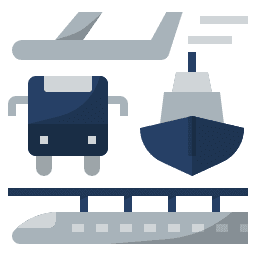
Combined transport, also known as intermodal transport or multimodal transport, is a transport system that involves moving goods using multiple modes of transport, such as trucks, rail, and ships.
The idea behind combined transport is to optimize the movement of goods by using the most efficient mode of transport for each leg of the journey while minimizing the number of times goods need to be loaded and unloaded.
Combined transport supports multiple transport systems. For example, a cargo shipment starting by road can subsequentely continue by sea or air. This involves various variations or situations depending on the destination the cargo will reach.
Since the main logic of combined transport aims to be more efficient and cost-effective by increasing the modes of transport, it is generally used in long-distance transport. In addition, because it reduces the number of trucks on the road, it is beneficial for minimizing the environmental damage caused by transport.
Overall, combined transport is a flexible and efficient way to move goods and is widely used in the logistics and transport industry.

How is Combined Transport Carried Out?
By its nature, combined transport involves multiple modes of transport, and therefore entails delivery in several steps. These delivery steps in a seamless organization generally occur as follows:
• Goods are loaded onto a truck at the initial point of origin and transported to a terminal such as a train station or port.
• At the terminal, goods are transferred to a train or ship for the next leg of the journey.
• The train or ship transports the goods to the next terminal, where they are transferred to another truck or transport method for the final leg of the journey.
• The goods are finally delivered to their destination.
This is briefly how a smooth-running combined transport operation progresses.
What are the Types of Combined Transport?
There are several types of combined transport that can be used to move goods from one place to another. Some common examples include:
Truck - Rail
It involves using both trucks and trains to transport goods. The goods are first loaded onto a truck at the point of origin and transported to a terminal to be transferred to a train for the next leg of the journey. The train then carries the goods to another terminal where they are transferred back to a truck for the final leg of the journey.
Truck - Ship
It involves using trucks and ships to transport cargo. The goods are first loaded onto a truck at the point of origin and transported to a terminal, such as a port, and then transferred to a ship for the next leg of the journey. The ship then transports the goods to the location where they will be transferred back to a truck for the final leg of the journey.
Rail - Ship
It refers to the transport of goods using a combination of train and ship. The goods are first loaded onto a train at the point of origin and transported to a terminal such as a port. They are then transferred to a ship to continue the journey. The ship then transports the goods to the location where they will be transferred back to a train.
Multimodal
Multimodal involves using three or more modes of transport, such as truck, train, and ship. Goods are transferred between different modes of transport at various terminals along the way.
What are the Advantages of Combined Transport?
Combined transport is highly advantageous for both the contractor and the recipient. These advantages can be listed as follows:
• Cost-effective: Since combined transport allows goods to be transported over longer distances in shorter periods, it can often be more cost-effective than using a single mode of transport. This can help lower shipping costs and increase profitability for businesses.
• Efficient: Utilizing multiple modes of transport can be more efficient than using a single mode, as it allows goods to be moved over longer distances in less time. This can help reduce transit times and improve delivery speed.
• Eco-friendly: Combined transport can be more environmentally friendly than other modes of transport as it can reduce the amount of fuel consumed and the number of vehicles on the road. This can help reduce greenhouse gas emissions and other negative environmental impacts.
• Flexible: It provides flexibility in the shipping process as it allows the use of multiple modes of transport to meet the needs of different types of goods and destinations.
• Safe: Since goods are transferred between different modes of transport at various terminals along the route, using multiple modes can help reduce the risk of accidents or damage to the goods.
Overall, combined transport can provide a range of benefits for businesses looking to transport goods over long distances. You can choose Navlungo for a safe shipping process.
What are the Disadvantages of Combined Transport?
Although combined transport offers a number of advantages, there are some potential disadvantages that must be considered. We can list these disadvantages as follows:
• Complexity: Combined transport involves the use of multiple modes of transport and transferring goods between various terminals. This adds complexity to the shipping process, requiring careful planning and coordination.
• Potential for delays: Since goods are transferred between different modes of transport at various terminals, there is a risk of delay. This can be due to various factors such as weather conditions, equipment failures, or logistics issues.
• Handling fees: As goods are transferred between different modes of transport at various terminals, additional handling fees may apply. These fees increase the overall shipping cost.
• Limited cargo size and weight: Some modes of transport, such as trains and ships, may have size and weight restrictions on the goods they can carry. This limits the types of goods that can be shipped using combined transport.
What are the Components of Combined Transport?
The components required when performing combined transport are generally as follows:
Trucks: Trucks are typically used to carry goods to terminals such as train stations or ports.
Trains: Trains are used to transport goods over long distances and are often a key component of combined transport.
Ships: Ships are used to carry goods across oceans and other large bodies of water. They are commonly used in combined transport to move goods between continents.
Terminals: Terminals are facilities where goods are transferred between different modes of transport. They can include train stations, ports, and other transport hubs.
Handling equipment: Handling equipment such as cranes and forklifts is used at terminals to load and unload goods from trucks, trains, and ships.
Documentation: Documents such as shipment manifests and bills of lading are used to track the movement of goods and ensure they are properly accounted for throughout the shipping process.

What is a Combined Transport Bill of Lading?
A combined transport bill of lading is a document used to track the movement of goods during the transport process. It works similarly to traditional bills of lading used to document the movement of goods on a single mode of transport, such as a truck or ship.
A combined transport bill of lading includes the following information:
• Name and contact information of the shipper and the recipient of the goods.
• Details of the goods being shipped, including their type, quantity, and value.
• The route of the combined transport process, including the points of origin and destination, as well as intermediate terminals where cargo will be transferred between modes of transport.
• Terms and conditions of the shipment, including any warranties or liabilities.
• The signature of the carrier or their representative, acknowledging receipt of the goods.
The combined transport bill of lading serves as a contract between the shipper and the carrier, defining the terms and conditions of transport. It also acts as a document of title, meaning it can be used as proof of ownership of the goods.

Documents Used in Combined Transport
Many documents are required when using the combined transport method. These documents generally include:
Combined transport bill of lading: This is the document used to track the movement of goods during the combined transport process and to establish the terms and conditions of transport. It is similar to a traditional bill of lading but is used for combined transport involving multiple modes of transport.
Shipment manifest: A shipment manifest is a document that lists all the goods shipped, including their type, quantity, and value. It is used to track the movement of goods and ensure they are properly accounted for during the shipping process.
Waybill: A waybill is a document used to track the movement of goods during transport. It typically contains the sender's and recipient's name and contact information, details of the goods being shipped, and the transport route.
Letter of credit: A letter of credit is a document issued by a bank or other financial institution used to guarantee payment to the carrier for the transport of goods. It is commonly used in international shipping to ensure the carrier is paid for their services.
Customs documents: When transporting goods internationally, customs documents such as a commercial invoice and a certificate of origin may be required. These documents are used to declare the shipped goods and provide information about their origin and value. They vary from country to country.
The Importance of Planning in Combined Transport
Planning can be called the most crucial part of combined transport because it involves utilizing multiple modes of transport and transferring goods between various terminals. Careful planning is absolutely essential to ensure that goods are moved smoothly and efficiently, and to avoid delays and other issues.
There are several factors to consider when planning the process. The transport route must be carefully planned to ensure that goods reach their destination in a timely and cost-effective manner.
This includes determining the best terminal locations to transfer goods between modes of transport. The timing of the transport must also be carefully coordinated to ensure that goods arrive at each terminal on schedule and can be transferred to the next mode of transport without delay.
The capacity of different modes of transport, as well as having adequate handling equipment to load and unload goods at each terminal, is required. Appropriate documentation, such as the combined transport bill of lading and shipment manifest, must also be prepared and presented to the carrier and other parties involved in the shipping process.