Summarize this text with artificial intelligence
Choose your preferred tool to generate a short summary of the text.
Marketing, branding, and sales require you to retain qualified leads. Customer retention is highly valuable for any salesperson. Loyalty programs allow you to retain existing customers by meeting client needs and desires.
Therefore, companies with strong customer loyalty programs grow and sustain their market share. Additionally, an effective customer loyalty program increases the overall value of your products.
At the same time, it allows you to get a stable revenue stream. In other words, keeping your existing customers happy helps your business grow. The probability of selling to your existing customers is 60% to 70%.
The probability of selling to a new customer, on the other hand, is 5% to 20%. 32% of executives state that retaining existing customers is a priority. Additionally, 80% of your future profit comes from 20% of your existing customers.
For this reason, the importance of a customer loyalty program needs to be understood. So, let's examine the details you need to know about customer loyalty programs!
What is a Loyalty Program?
The answer to the question of what a loyalty program is is wondered by many people. Supported by retailers and businesses, loyalty programs are incentives that help you attract and retain customers. We can also call it offering rewards to people for customer loyalty.
Typically, the more a customer shops from your store, the more rewards you need to offer. It requires you to offer rewards, discounts, and custom incentives. It helps businesses increase their existing sales.

The Purpose of a Loyalty Program
Loyalty programs offer two main functions. They reward customers for their repeat purchases. At the same time, they provide customer data to your company. In other words, by using a loyalty program, companies obtain information on whether product types and specific incentives are effective.
Loyalty programs are especially applicable to businesses that succeed and stand out with returning customers. Additionally, the possibility of creating a loyal customer allows you to add value to your brand. If this program is created properly, new customers are acquired at less cost.
Therefore, loyalty programs increase true brand loyalty when integrated into the customer's daily routine. Because most of the time, customers can invest in loyalty programs to earn rewards and discounts.
The Importance of Building a Loyalty Program
Customers usually choose a business that offers a loyalty program. In other words, if a business values its customers, they will be happier for it and continue to stay with your brand. Loyal customers can buy more products. This can increase your business revenue and profit. In other words, you can experience visible positive changes in product sales and customer lifetime value.
Most of these situations are possible with a properly executed rewards program. In addition, this program allows you to develop customer relationships. You can increase brand transparency and trust.
5 Benefits of a Loyalty Program
There are many benefits that loyalty programs provide to businesses. Here are some of these benefits.
1. You reward your existing customers
If you want your existing customers to support your brand, you need a loyalty program. For example, Sephora offers a points-based loyalty program called Beauty Insider. Customers earn points based on the amount of money they spend.
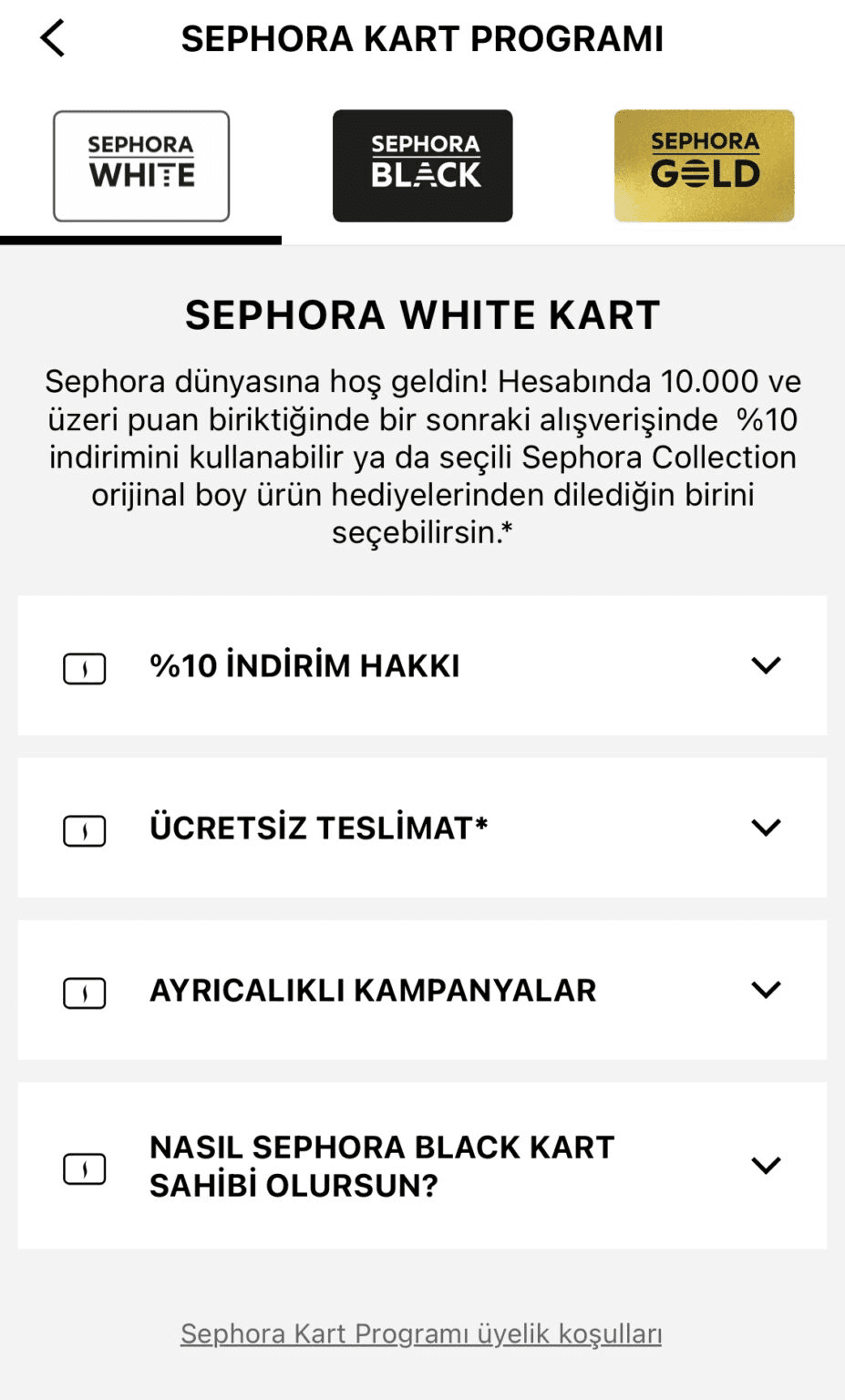
You are viewing the loyalty program example of the Sephora brand.
Then, customers can use these points to buy products at a discount. In this way, Sephora rewards its customers. At the same time, it gifts trial-size products to its customers with every purchase.
Starbucks also rewards its existing customers with its customer loyalty program. Customers download the Starbucks app. They load money into this application. Then, as they spend within the app, they earn stars. A user who collects a certain number of stars is gifted a beverage or food item.
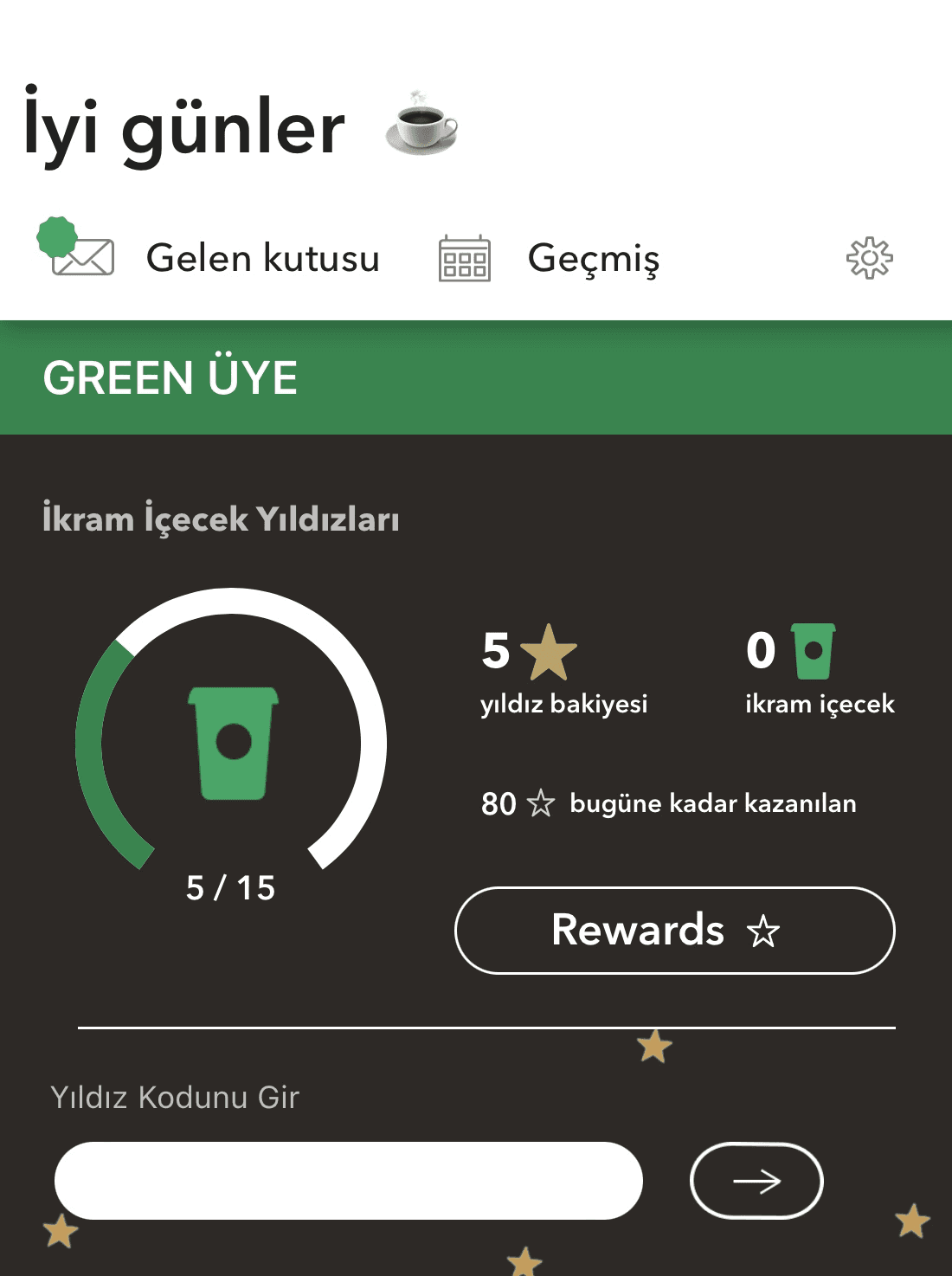
You are viewing the loyalty program example of the Starbucks brand.
It also rewards its customers with a beverage or food item on their birthdays. These kinds of customer loyalty program examples can be studied. By having information about the best loyalty programs, you have the chance to develop your brand.
To grow your brand, you must know how to reward your existing customers. In this way, you ensure that your customers support your business.
2. You build meaningful relationships with your customers
Your audience sees between 4,000 and 10,000 advertisements every day. To stand out, you need to think differently. At the same time, it is essential to make a difference. In other words, you should shift the focus from sales to loyalty. You must put your customers at the center of your marketing strategies.
Of course, first of all, you should research the answer to the question of what a customer loyalty program is in detail. Then, you should build meaningful relationships with your customers by utilizing loyalty programs.
However, you should try to create engagements that go beyond discounts and incentives. This way, you will be different from your competitors who are competing to get your customers' attention. For example, let's say you have customers who value the sustainable fashion movement.
You should offer rewards that match the values of these customers. Saying you will plant a tree with every purchase can make your customers happy. You should try to include all kinds of rewards that protect nature. At the same time, you should cooperate with brands where your customers can shop. In this way, you can build deeper connections with your customers.
3. You grow your bottom line
Growing your bottom line is also among the benefits of customer loyalty programs. Because returning customers generate value. In other words, they grow your bottom line with repeat visits. They advertise you with positive word-of-mouth. They become living examples of how the products or services you sell provide value to people.
Of course, building customer loyalty is no easy feat. Therefore, building a loyalty program that does this encourages your customers to buy again and again. This offers many advantages to your business.
At the same time, your chances of building a community from your loyal customers increase. You can extend this community to social media. There are many techniques you can use to keep your loyal customers engaged with your brand. Thus, your chance of steadily growing your bottom line increases.
4. You reach new customers through brand advocates
When you work on customer loyalty, reaching new customers becomes easier. At the same time, these new customers bring their friends and families along with them. Additionally, if your loyalty program members recommend your brand to their loved ones, you should offer them rewards.
For example, you should give your customers positive experiences. Then, your customers will promote your brand through word-of-mouth marketing. People trust the recommendations of their friends and family more than online reviews.
Brand advocates can even help you attract buyers outside of your marketing reach. Loyal members are highly likely to engage in casual conversations about your brand. Brand advocates, who positively influence their family and friends, allow you to steadily expand your customer base.
5. You gain valuable insights
You need to value insights for your small business. You should have information about your customers' purchasing decisions and habits. In this way, you can increase your revenues with personalized offers, hard-to-ignore incentives, and well-timed reminders.
In other words, it is possible to gain many advantages with the data created by the customer loyalty program. Additionally, customer loyalty programs make it easier to get actionable feedback.
For example, Starbucks offers exclusive early access to seasonal drinks and free birthday drinks with the information it obtains from customer data. This helps it to be among the most preferred brands. In other words, with the information you collect from your loyal customers, you can offer deals, discounts, and advantages to your new customers.
What Are the Types of Loyalty Programs?
Customer loyalty programs have many different types. While some companies use a single type, some companies may combine several. Here are some of the types of loyalty programs.
1. Tiered loyalty programs
In tiered loyalty programs, benefits are divided into different levels. Customers in higher program tiers are offered more rewards. Some programs focus on encouraging customers to spend more and offering higher rewards. In other words, the more customers shop, the more rewards they earn and level up.
2. Subscription-based loyalty programs
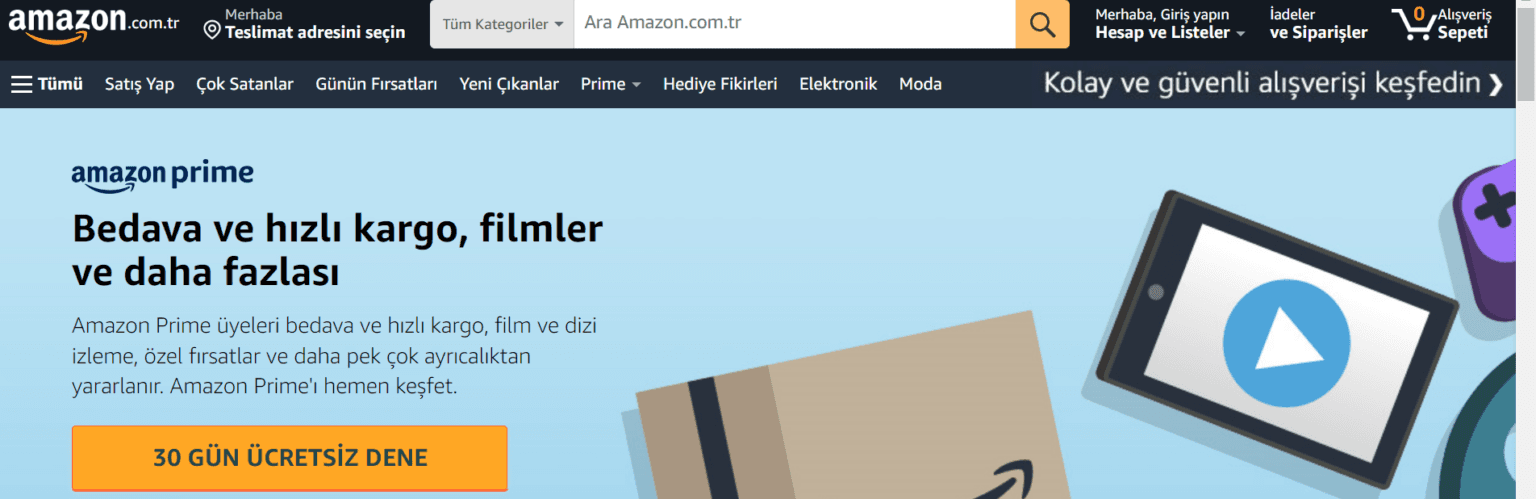
A subscription-based loyalty program requires customers to pay an upfront, weekly, monthly, or annual fee to participate. Therefore, it is suitable for businesses that want to retain their customers for a certain period. For example, Amazon Prime provides a paid subscription service that offers free shipping and services to subscribers.
You are viewing Amazon Prime deals.
3. Value-based loyalty programs
A value-based loyalty program is different from others. Because it does not explicitly offer rewards and discounts to customers. Instead, the values of the organization align with the values of its customers. In this program, an organization pledges to donate a portion of its revenue to a charity that aligns with its customers' values.
4. Points-based loyalty program
Points-based loyalty programs reward customers with points for every purchase they make. When customers reach a certain amount of points, they win a product or a discount.
What Should You Consider Before Creating a Loyalty Program?
Let's assume you have decided to create a loyalty program to persuade and engage with your customers. You need to consider some points before starting to build it. Then, let's examine the points you need to consider in detail.
• You should ask customer-oriented questions.
• You should motivate your customers.
• You should define your business goals.
• You should do detailed research on the subject.
How to Create a Loyalty Program?
Nowadays, there are many stores where customers can shop. For this reason, you should always try to offer your customers better deals than your competitors.
1. Do research on your existing customers
To choose the right program type and satisfy your customers, you need to select a suitable reward. In other words, you should turn to rewards that your customers want and need.
For example, you should research the answer to the question of which of your products your customers buy the most. You need to know the revenue each of them provides to your business, the date they joined your business, and whether they are satisfied with your business.
2. Start preparing for the program
After researching your customers, you should start preparing for the program. You need to gather a team to handle customer loyalty programs. You should strive to address the seamless experience and support in the best way possible.
3. Set goals
It is always good to set goals before starting any business. For this reason, you should set goals by communicating with your team. Goals should be realistic and achievable. You should leverage CRM to track progress.
4. Adjust your budget
You should think about the budget you can allocate for a great customer loyalty program. Program types and products largely depend on the budget you will allocate.
5. Select customers for the program
You should select your customers whom you want to benefit from the program advantages. You should take care to select customers who buy your products in large quantities and will bring great revenue to your brand.
6. Develop tactics that attract your customers' interest
At this stage, you should develop tactics to reward your customers. There are many ways to encourage your customers to stay loyal. You can offer them exclusive events and invitations. You can provide opportunities like free shipping and gifts.
Must-Haves of Loyalty Programs
Loyalty programs should help you retain your customers. At the same time, they should allow you to create loyal customers. So, let's examine the answer to the question of what are the must-haves of loyalty programs.
• It must add value to your customers.
• It must be fun, exciting, and interesting.
• It must provide convenience.
• It must value simplicity.
• It must progress with a win-win strategy.
Customer Loyalty Program Examples
Many companies move forward with loyalty programs. Now, let's examine the customer loyalty program examples of some leading companies!
1. Sephora
Sephora offers a rewards program called Beauty Insider. This program accounts for 80% of the brand's annual sales. Customers earn rewards on every purchase based on a traditional purchasing system. Also, customers can choose how to redeem their reward points.
2. Amazon Prime
The Amazon Prime membership program is a paid loyalty program. Prime members enjoy fast delivery opportunities in exchange for a flat monthly or annual fee. At the same time, it also offers many deals. Prime members spend more than regular Amazon customers.
3. Starbucks
Starbucks is among the brands that offer rewards to its customers. Customers earn stars with every purchase they make with their Starbucks cards. Customers who reach a certain star count are offered free food or drinks.
Retaining your customers is not always an easy task. For this reason, you should increase the number of people returning to your business with a customer loyalty program. We Wish You High Sales!