Summarize this text with artificial intelligence
Choose your preferred tool to generate a short summary of the text.
The Delivery and Receipt Protocol (Teslim Tesellüm Belgesi) is a document of great importance for the logistics and transportation sector in Turkey. This document is used to prevent problems and disputes arising during the transportation processes of businesses and individuals. The Delivery and Receipt Protocol is prepared to provide assurance to both the buyer and the seller against any issues that may occur during the delivery of goods.
In this article, we will cover the important points you need to know about the Delivery and Receipt Protocol and explain how this document can be obtained. By learning the details and processes regarding this document specific to Turkey, you can make your transportation processes safer and more efficient. 🤣
What is a Delivery and Receipt Protocol?
The Delivery and Receipt Protocol is an official document issued during the delivery of goods or services between a buyer and a seller, containing the acceptance and confirmation of the parties that the delivery has been completed. This document helps to prevent disputes between the parties and resolve issues encountered during transportation processes.
The Delivery and Receipt Protocol is issued in accordance with the Turkish Commercial Code and helps businesses fulfill their legal responsibilities regarding transportation (Turkish Commercial Code, Art. 763-822). This document contains the date and time of delivery, the quantity and quality of the delivered goods or services, the signatures of the parties' representatives, and other important information.
Usage Areas of the Delivery and Receipt Protocol
• It is drawn up during the delivery of goods in purchase and sale transactions between buyers and sellers.
• It is drawn up along with official transactions such as title deed transfers in real estate purchase and sale transactions, helping to protect the rights of the parties.
• It is used during the delivery of official paperwork, documents, or dossiers, keeping a record of all operations in this process.
• It is used in work handovers between employers and employees, indicating that the work has been completed and specifying the responsibilities of the parties.

The Process of Drawing Up a Delivery and Receipt Protocol
The process of drawing up a Delivery and Receipt Protocol is important for documenting the transactions carried out between the buyer and seller in an official and legal manner. The process consists of the preparation, signing, and approval stages of the document.
Completing this process accurately and thoroughly safeguards the rights of the parties and serves as proof in case of any dispute. Let's examine these stages in detail. 👇
1. Preparation of the Delivery and Receipt Protocol
In the stage of preparing the Delivery and Receipt Protocol, first, the necessary information must be collected from the parties. This information must include the names, addresses, contact details of the parties, and details regarding the delivered goods or services.
The document format and content generally include the following headings:
• Date of the document
• Names, titles, and addresses of the parties
• Description and quantity of the delivered goods or services
• Place and date of delivery
• Condition and quality of the received goods or services
• Signature of the buyer and date confirming receipt
• Signature of the deliverer and date
Preparing the Delivery and Receipt Protocol in accordance with the relevant legislation and legal requirements is crucial for protecting the rights of the parties. Therefore, care must be taken to provide complete and accurate information during the preparation of the document.
2. Signing the Delivery and Receipt Protocol
During the signing stage of the Delivery and Receipt Protocol, both parties must carefully review the document and act in line with the agreed terms. The document gains validity with the signatures of the delivering and receiving parties. The signing process includes the following steps: 👇
• First, both parties must confirm that the information in the document is accurate and complete.
• The date and time of the delivery must be specified in the document.
• The delivering party signs to confirm that the information in the document is correct and that the delivery has been successfully completed.
• The receiving party signs to confirm the accuracy of the information in the document after checking the condition and quality of the delivered goods or services.
The signing process means that the parties accept the terms in the document and the delivery and receipt have taken place. The signed document serves as legal proof that the delivery occurred in accordance with the agreement between the parties. 🧾
3. Approval of the Delivery and Receipt Protocol
The approval phase of the Delivery and Receipt Protocol involves the evaluation and authorization of the document by relevant authorities. This process makes the document legally valid and binding. The approval process and conditions can be listed as follows:
• First, the Delivery and Receipt Protocol is signed. It is then presented to the relevant authorities. These authorities are usually the managers, legal departments, or other responsible units of businesses or institutions.
• The authorities check the accuracy and suitability of the information in the document. They also ensure that the document complies with legal requirements and business policies.
• If any deficiency or error is detected in the document, the parties must be informed and corrections must be made.
• Once deemed suitable by the relevant authorities, the Delivery and Receipt Protocol is approved and officially accepted. This process provides the legal basis and validity of the document. ✅
Examples of Delivery and Receipt Protocols
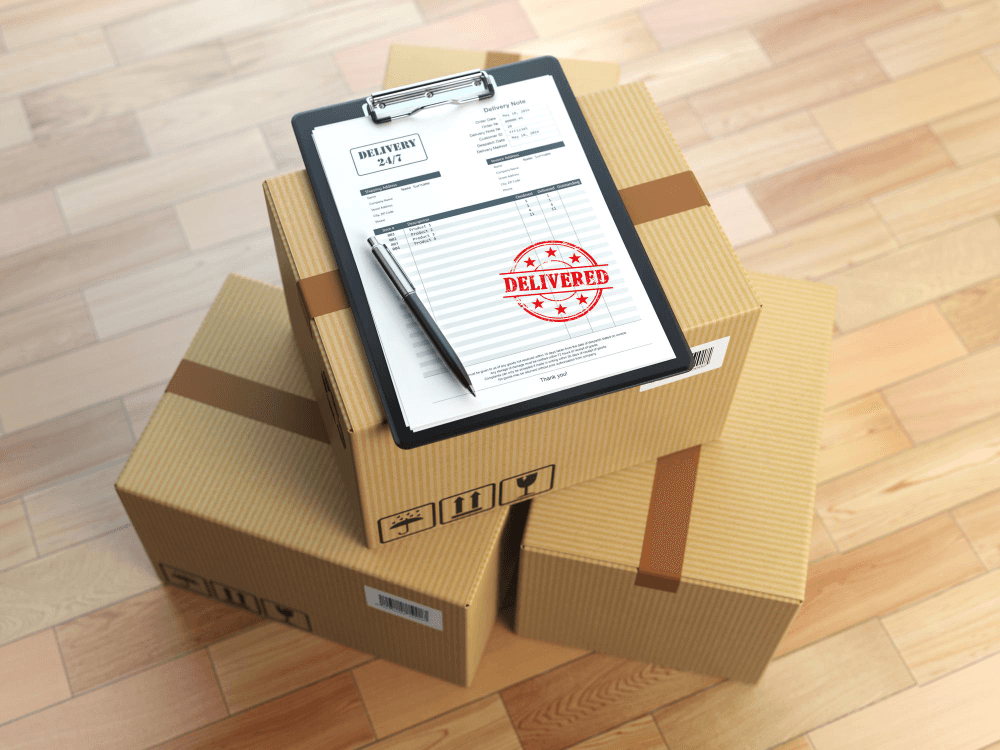
Examples of Delivery and Receipt Protocols are documents prepared according to different areas of use to ensure that transactions are recorded. These documents aim to ensure that delivery processes are carried out properly and that the rights of the parties are protected. Here are examples of Delivery and Receipt Protocols used for the delivery of goods, real estate, documents, and work:
• Example of a Delivery and Receipt Protocol for goods: 🛅
The Delivery and Receipt Protocol used in goods delivery is a document that regulates and records the process of handing over goods between the parties. The document contains information on the delivering and receiving persons, details of the goods being delivered, the delivery date, and the conditions of delivery.
• Example of a Delivery and Receipt Protocol for real estate: 🏠
The Delivery and Receipt Protocol issued in case of property delivery is used in real estate buy-sell and leasing transactions. The document contains information such as the specifications of the property, its location, details of the parties, the delivery date, and the conditions of delivery.
• Example of a Delivery and Receipt Protocol for documents: 💼
The Delivery and Receipt Protocol issued for handovers of documentation records the delivery process of files or paperwork. The document contains info on the delivering and receiving persons, details of the documents delivered, the delivery date, and the conditions of delivery.
• Example of a Delivery and Receipt Protocol for work: 📑
The Delivery and Receipt Protocol used in the case of work handovers regulates and records the delivery process of the work. The document includes details of the delivering and receiving persons, details of the completed work, the delivery date, and delivery conditions.
Frequently Asked Questions About the Delivery and Receipt Protocol
What is the validity period of the Delivery and Receipt Protocol?
The validity period of the Delivery and Receipt Protocol depends on the content of the document and the agreement between the parties. There is no time limit specified in the document regarding the delivery process. However, it is essential that the document becomes valid with the mutual agreement and signatures of the parties.
How does the cancellation and modification process of the Delivery and Receipt Protocol work?
If there are errors in the document or if a new agreement is reached between the parties, cancellation or amendment of the document may be considered. Before the cancellation or modification process begins, the parties must mutually agree. In other words, a new Delivery and Receipt Protocol must be prepared. This document must contain the corrected or updated information. The canceled or modified document should be kept in the records of the parties.
What are the legal sanctions of the Delivery and Receipt Protocol?
The Delivery and Receipt Protocol shows the obligations and rights of the parties. If one of the parties fails to fulfill or incompletely fulfills the obligations set out in the document, the other party has the right to take legal action. In this case, the Delivery and Receipt Protocol can be used as evidence in courts and can form the basis for compensation claims.

Conclusion
The Delivery and Receipt Protocol is an important document that officially and legally registers deliveries between parties. This document is encountered in many different areas of application and is of great importance for situations such as goods delivery, real estate delivery, document delivery, and work delivery.
The drafting and use of the Delivery and Receipt Protocol is effective in preventing prospective disputes by clarifying the rights and obligations of the parties, as well as being used as evidence in legal processes.
A proper drafting process of a Delivery and Receipt Protocol ensures that the responsibilities and obligations of the parties are fully documented and that agreements are fulfilled. The preparation and signing of the document by the parties with accurate information ensures that delivery processes take place smoothly and safely.
Therefore, considering the importance and usage areas of the Delivery and Receipt Protocol, it is of great significance to pay attention to the drafting process and to use the document correctly.