Summarize this text with artificial intelligence
Choose your preferred tool to generate a short summary of the text.
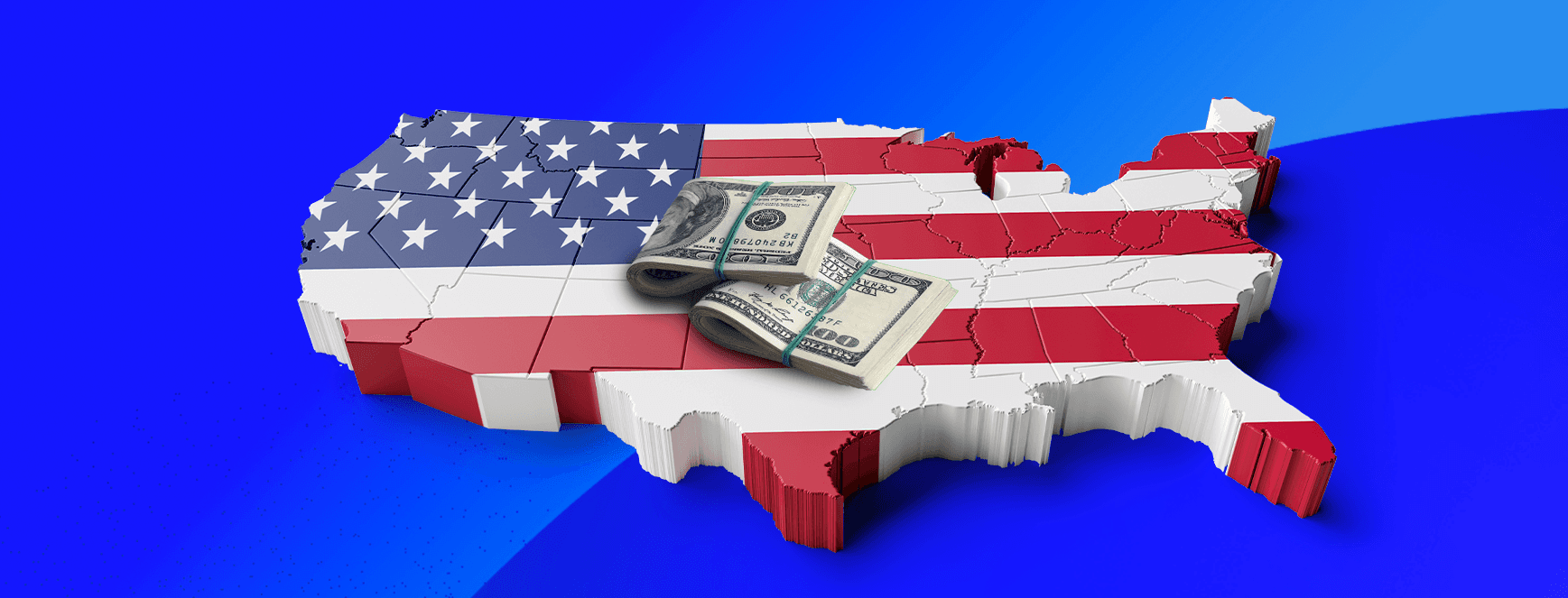
The date of August 29, 2025, will be an important turning point for all e-commerce companies exporting to the US. With the new decree signed by the US President, the De Minimis customs exemption applied to e-commerce shipments under $800 was suspended worldwide. This change is of critical importance, especially for small and medium-sized e-exporters.
What is De Minimis?
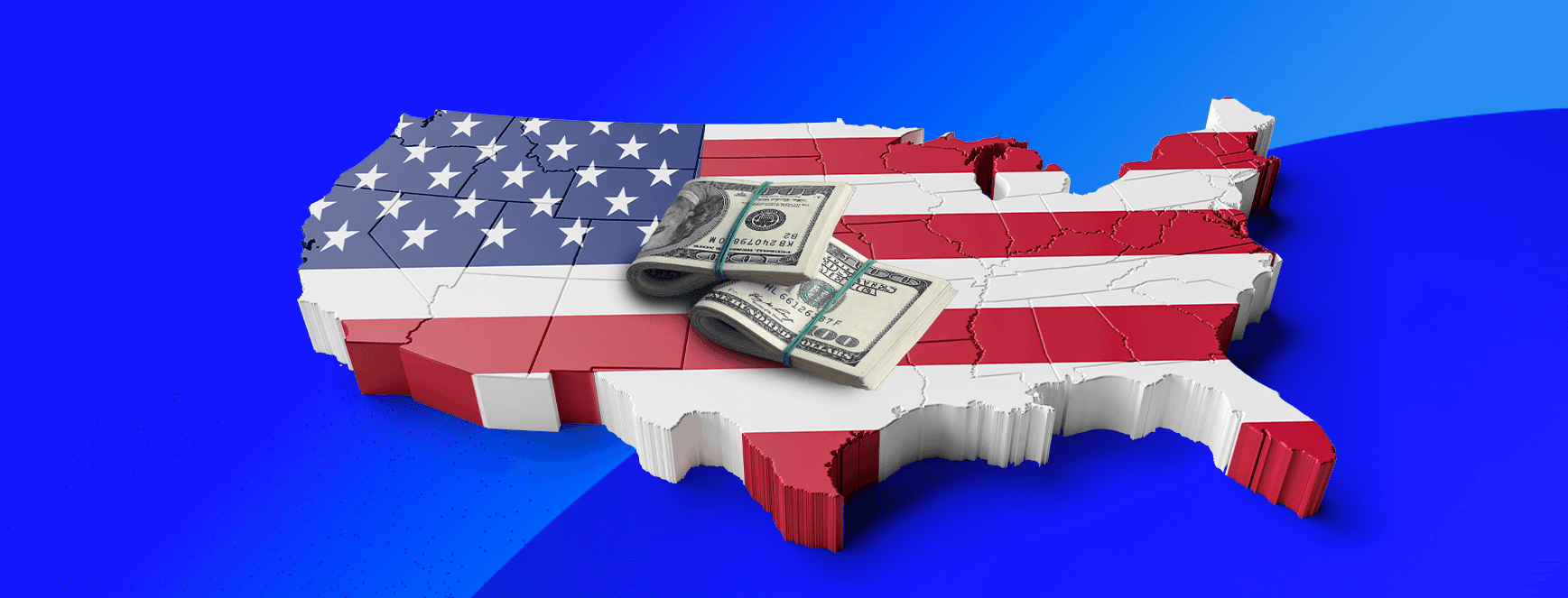
De Minimis was an exemption system in the US that ensured no customs duty was applied to imports under $800. Low-value products, especially from China and other Asian countries, were able to enter the US duty-free thanks to this regulation. However, over the years, this system became controversial due to abuse and security concerns.
Why Was This Change Made?
According to US Customs and Border Protection (CBP) data:
• The number of De Minimis shipments, which was 134 million in 2015,
• reached 1.36 billion in 2024.
While this dramatic increase exceeded the capacity of the US customs system, illegal products, counterfeiting, and security threats also grew through this channel. In addition, the use of this exemption by large e-commerce firms as a tax advantage and cost-cutting tool brought about debates on unfairness in the domestic market.
What is Changing? (Starting August 29, 2025)
Now all shipments under $800 from all countries will be subject to full customs duties.
New regulations to be applied depending on the shipping method;
✉️ Products Arriving via International Mail:
• Flat Tax (6-month temporary implementation):
A tax ranging from $80 to $200 per product will be applied. The tax rate will be determined under IEEPA according to the country of origin.
• Ad Valorem Tax (after 6 months):
A percentage tax based on product value will be applied. Rates will again vary depending on the country of origin.
📦 All Other Logistics Methods (Cargo, courier, etc.):
• De Minimis is completely eliminated. All shipments are now subject to applicable US customs duties.
Who is Exempt?
Some exceptions remain valid:
• Personal effects of US travelers up to $200,
• Individual gifts under $100.
What Should E-Export Sellers Do?
This decision carries both risks and opportunities for e-exporters selling from Turkey to the US. Here are the recommendations:
🔍 Recalculate Costs:
Review your product prices and profitability according to the new taxation system.
🚛 Create Customs-Compliant Shipping Plans:
Working with logistics partners who are experts in customs processes saves time and money.
🧾 Digitalize ETGB and Customs Documents:
Digital tracking of declarations and shipping documents prevents potential delays.
🗂️ Automate All Processes:
You can increase efficiency by using end-to-end tracking systems from order to shipping.
Conclusion: The Duty-Free Era is Over, the Competition Starts Now
The US market is still the world's largest e-commerce arena. The abolition of the De Minimis exemption could make competition fairer, but it could also pose challenges for small sellers by increasing logistics costs.
As a reliable partner for e-exporters in this new process, digital logistics platforms like Navlungo continue to offer fast, transparent, and customs-compliant shipping solutions.
📢 Are you ready for the new era in your shipments to the US?
By working with Navlungo, you can safely deliver your products to the US market without losing time in customs processes.