Summarize this text with artificial intelligence
Choose your preferred tool to generate a short summary of the text.
The e-export sector, which enables businesses to grow in global markets, offers significant opportunities. However, logistics management is one of the most critical stages in this process. Incorrectly planned or neglected logistics steps not only increase costs but can also negatively affect customer satisfaction. E-export logistics errors often manifest themselves as delivery delays, incorrect packaging, customs problems, and high costs.
To prevent these errors, businesses need to plan their logistics processes carefully. Correct packaging methods, cooperation with reliable cargo companies, acting in accordance with customs legislation, and cost optimization form the basis of the process. Errors do not only lead to loss of customers but also damage the brand's reputation in international markets. From incorrect packaging to delivery delays, from problems experienced at customs to cost-increasing factors, you can continue reading for details about logistics errors in e-commerce.
Common Logistics Errors Made in E-Export
One of the most common errors made in the logistics process of e-export is the lack of planning. Shipments carried out without making demand forecasts can lead to stock imbalances and delivery delays. This situation both negatively affects customer satisfaction and causes additional costs.
Another common error is the lack of sufficient research when selecting a logistics partner. Working with cargo companies with low reliability leads to an increase in lost or damaged products. In addition, the inadequate tracking systems of these companies result in customers not being able to receive transparent information during the shipment process. On the other hand, not considering local regulations when shipping to different markets is also a common error. Inaccuracies in customs documents, non-compliance with packaging standards, or ignoring the shipping restrictions of the destination country are among the most common errors made in the logistics process.
Incorrect Packaging and Delivery Problems

Incorrect packaging causes major problems in terms of both costs and customer satisfaction in international logistics. Products sent with insufficient protection can be damaged during transport. This situation increases return rates while also damaging the brand image of the business. Incorrect packaging problems become critical, especially for fragile products.
Damages that occur during delivery usually stem from packaging that does not comply with standards. For example, boxes not suitable for the product's size or low-quality packaging materials jeopardize the safety of the product during transit. Therefore, businesses need to standardize their packaging processes. In addition, incorrect labeling and barcoding are also among the leading delivery problems. Mixing up products, directing them to the wrong address, or holding them up at customs can also result from these errors. Working with correct barcode and addressing systems provides great ease in terms of international cargo management.
Another negative effect of incorrect packaging is the increase in logistics costs. Excessively large boxes that do not fit the product dimensions unnecessarily raise cargo fees. In addition, as a result of damages caused by incorrect packaging, both return processes are prolonged and re-shipment costs emerge. This situation leads not only to financial losses but also to the erosion of customer trust. Setting standard packaging protocols for businesses and training their personnel in this regard is also effective in preventing this problem, which is frequently seen among logistics errors in e-export.
Problems Encountered at Customs and Their Solutions
Errors in customs processes are one of the most frequently experienced problems in e-export. Incorrect or missing documents lead to products waiting at customs. This situation extends the delivery time while causing additional costs. In particular, errors in the proforma invoice and customs declaration are common situations.
Another problem is the incorrect categorization of products. Selecting the wrong HS codes can lead to incorrect taxation of products and getting stuck by import bans. Therefore, it is important to obtain professional support for problems experienced in the customs process. In addition, every country has different import regulations and tax rules. Ignoring these rules by businesses can result in products being returned or high penalties. Learning target market-specific legal requirements in advance is an effective solution to prevent customs problems.
Another problem encountered in customs processes is language and content mismatch in documents. Some countries require documents to be translated into the local language or prepared in special formats. When these requirements are not met, products can be kept waiting at customs for a long time. In addition, the lack of product-based additional documents such as certificates, permits, and test reports also disrupts the process. For businesses to minimize these risks, working with experienced customs brokers on international legislation both prevents loss of time and reduces customs delays, which is one of the most common problems experienced within scope of e-export logistics errors.
Factors Prolonging the Delivery Time
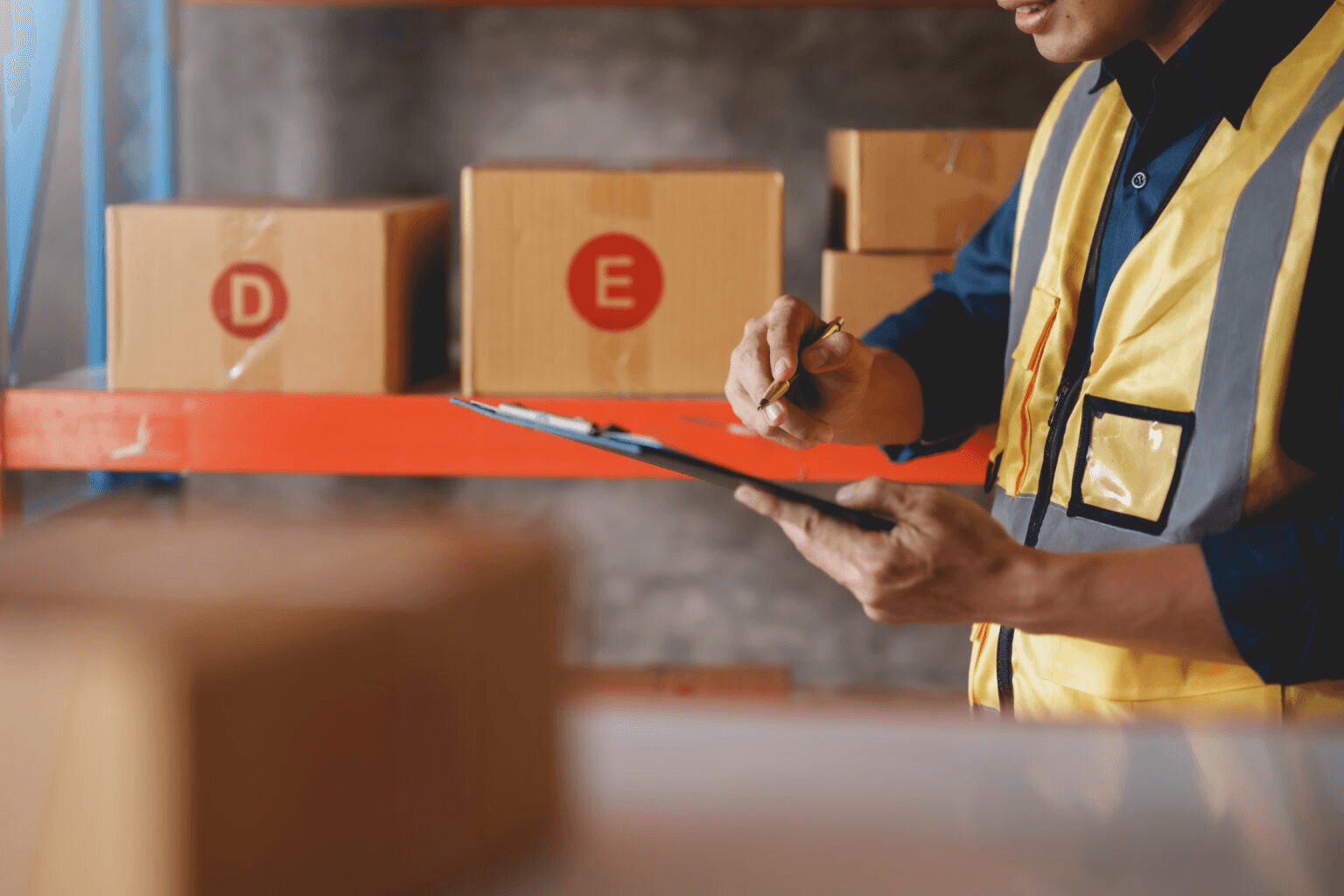
One of the most important factors prolonging delivery time in e-export is inadequate logistics planning. Not correctly forecasting demand intensity or weak inventory management prevents products from being shipped on time. This situation significantly and negatively affects customer satisfaction.
Another factor is the capacity inadequacies of cargo companies. Especially during peak periods, delivery times may be extended. It is recommended for businesses to work with more than one cargo company to minimize this risk. Thus, the reasons for delivery delays can be controlled. In addition, delays experienced at customs and incorrect document preparation are also significant factors prolonging delivery times. Working with documents compliant with the customs procedures of the target countries and managing the process with expert support ensures delivery is carried out on time.
Another important element that prolongs delivery time is incorrect route planning and not considering transit times. Instead of some shipments being routed directly to the target country, they are passed through intermediary countries, and this situation results in an unnecessary loss of time. Determining the shortest and most cost-effective routes together with logistics partners shortens the delivery time. In addition, real-time monitoring of shipments using advanced tracking systems ensures potential delays are identified in advance and fast solutions are created.
Avoiding Errors That Increase Logistics Costs
One of the most common errors that increase logistics costs is choosing unsuitable shipping methods. Selecting air cargo for bulky products or turning to maritime transport for small shipments leads to unnecessary cost increases. Businesses need to choose the correct transportation method according to product characteristics.
Incorrect packaging and excessive volume also increase costs. Using boxes that do not fit the dimensions of the product causes cargo fees to rise. Therefore, standardized and optimized packaging solutions should be preferred. In addition, not negotiating in agreements made with cargo companies also causes costs to rise. Making special price agreements based on shipment volume of businesses provides a huge advantage in terms of logistics cost control.
Another important error that increases logistics costs is not factoring in return processes. Cost planning carried out without considering return rates leads to unexpected expenses. Especially in international shipments, return cargos can cause high charges. Therefore, businesses must plan return logistics solutions in advance, use contracted cargo rates, and optimize the process with alternative warehousing options.
Methods to Optimize Logistics Processes in E-Export
Optimizing logistics processes both lowers costs and increases customer satisfaction. For this, businesses need to make use of technology. Integrated logistics software ensures the control of the entire process from stock management to cargo tracking from a single center. In addition, increasing efficiency in warehouse management is important. Correctly classifying products, carrying out handling and packaging processes regularly contribute to faster shipping. These steps are fundamental strategies in terms of optimizing the logistics process.
Finally, working with correct logistics partners raises the reliability of the process. Companies that are experienced in international transport and have a strong infrastructure both simplify customs processes and shorten delivery times. Thus, businesses achieve a more competitive position in global markets.