Summarize this text with artificial intelligence
Choose your preferred tool to generate a short summary of the text.
Amazon dropshipping is highly popular, especially among e-commerce beginners, as it offers the opportunity to sell without holding inventory. How does amazon dropshipping work? In this model, the seller lists physical products in their Amazon store, but does not actually hold them in hand. When a customer places an order, the product is purchased directly from the supplier and shipped to the customer. So, how does this system work behind the scenes, what steps are followed, and how is the process controlled? Let's take a step-by-step look at how Amazon dropshipping works.
How Dropshipping Works on Amazon
The logic of Amazon dropshipping consists of a few basic steps. These are known as product listing, order receiving, forwarding to the supplier, and delivery to the customer. The seller lists a product in their Amazon store that is not in their own stock and prepares the product description, images, and price information. After the customer places the order, the seller forwards the order to the designated supplier. The supplier ships the product directly to the customer.
Within the Amazon working system, this type of dropshipping must be carried out within specific rules. Since Amazon attaches great importance to customer experience, it requires the product to arrive on time and complete. Therefore, it is the seller's responsibility to make sure the supplier is reliable and that the entire process is monitored regularly. Incorrect deliveries or late shipments can negatively affect store rating and visibility.
Another issue to consider in dropshipping operations on Amazon is communication. The customer only deals with the Amazon store. Therefore, all information flow must be managed by the seller. Coordination between the supplier and the seller should be strong. This ensures that the dropshipping process progresses in accordance with Amazon's quality standards.
From Order to Delivery: Step by Step Amazon Dropshipping
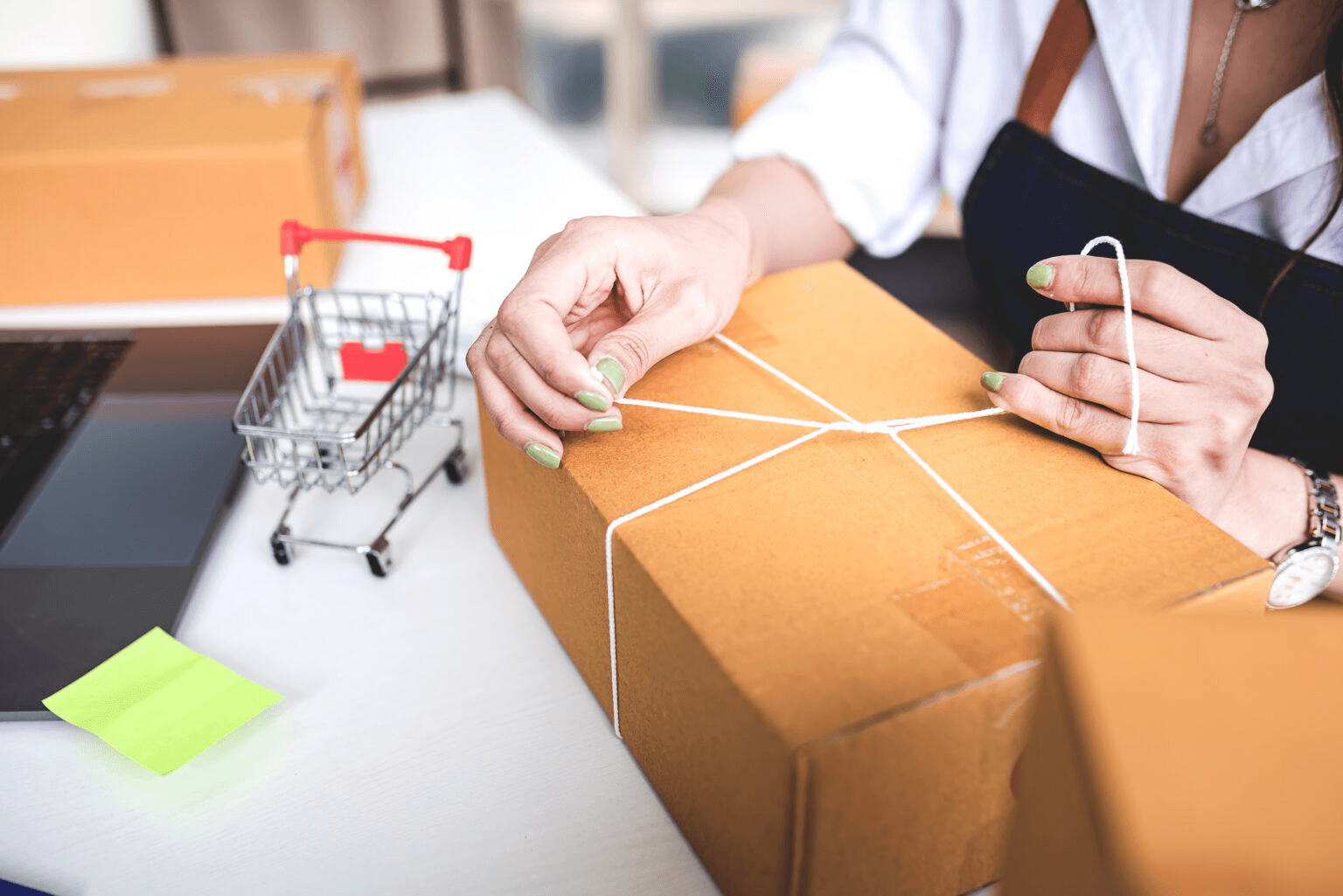
The dropshipping process begins with receiving the order and continues until the product is delivered to the customer. Every order received by the Amazon store is notified to the seller, and forwarding to the supplier is done at this stage. Order details must be transmitted completely, and the supplier must process this information quickly. Once the product is shipped, the tracking number is sent to the customer.
At this point, order management holds a critical spot in the working logic of Amazon dropshipping. If the supplier does not ship the product on time or sends the wrong product, it is directly the seller's responsibility. Therefore, all steps must be kept under control throughout the order process, and interventions must be made before problems arise. Customer satisfaction is won or lost during this process.
After the product is delivered, the customer can leave feedback. While positive reviews increase the store's credibility, negative reviews can result in lower rankings. Therefore, post-delivery support and communication are also important. The Amazon dropshipping process is a customer journey that continues not just until the sale, but beyond.
Product Selection and Supplier Integration
For a successful dropshipping process on Amazon, choosing the right product is the first step. It is necessary to focus on products that are in demand, have a suitable level of competition, and have high profit margins. During product selection, it is important to take Amazon trends, user reviews, and competitive analysis into account. Actively behaving strategically rather than randomly uploading products ensures long-term success.
Once the product is identified, supplier integration comes into play. Working with a reliable supplier ensures that orders are shipped on time and without errors. Some sellers directly deal with the manufacturer, while others find suppliers on large dropshipping platforms. During the integration process, inventory tracking and price updates can be provided through automated systems.
Information from the supplier must be synchronized with the Amazon store. Product descriptions, images, and stock status must be constantly kept up to date. This improves both the customer experience and the store's performance in Amazon's algorithm. One of the most important answers to the question of how Amazon dropshipping works is ensuring the right supplier integration.
Any disruption in supplier integration directly affects the order process and customer satisfaction. For example, listing a product that is out of stock or selling a product at a loss due to outdated pricing can negatively affect store performance. Therefore, regular checks of product and supplier information are of great importance. Establishing a solid integration infrastructure forms the basis of operational efficiency within the working logic of Amazon dropshipping.
Automation Tools in the Amazon Dropshipping Process
Running the Amazon dropshipping process manually can become difficult over time. For this reason, many sellers use automation tools to make their processes faster and error-free. Thanks to automation systems, operations such as product listing, price updating, and order forwarding can be easily handled. This saves time and reduces the margin of error.
Some software tracks suppliers' stocks and prices in real-time and matches them with your Amazon store. When an order is received, a notification is automatically sent to the supplier, and the process begins. These systems minimize human errors within the dropshipping process. These systems provide great convenience, especially for those working with multiple products and suppliers.
The working logic of Amazon dropshipping becomes much more efficient when supported by digital tools. Processes such as order tracking, return management, and quick responses to customer messages can also be integrated into these tools. Thanks to automation, the seller can focus on more products and increase sales volume.
Another advantage of automation tools is that they support compliance with Amazon's sales policies. These tools can automatically track that orders are processed within the specified time, customer messages are answered on time, and delivery information is entered completely. Thus, the seller maintains their store rating by meeting Amazon's performance criteria. For sustainable success in the dropshipping process, such digital solutions have now become almost indispensable.
How the Process Works in Terms of Customer Experience

In the dropshipping model, the customer usually does not realize that the product is coming from a supplier. The user shopping on Amazon thinks that the entire process is run by the store. For this reason, the person in direct communication with the customer is always the seller. The smoother the customer experience, the more trust in the store increases.
Short delivery times, products arriving as described, and after-sales support directly affect customer satisfaction. Customers with negative experiences may request returns or leave low ratings. This can lower the performance scores of stores selling on Amazon. Therefore, every step of the process must be planned around the customer. The dropshipping process is successful when carried out in harmony with Amazon's customer satisfaction policies. Communication with the customer, positive reviews, fast returns, and transparency are of great importance. Entrepreneurs who want to sell on Amazon can achieve long-term success when they make customer satisfaction a priority.
To strengthen the customer experience, it is also important to create pages where frequently asked questions are answered quickly, and descriptions are clear and understandable. Quality and informative product images give the buyer confidence and align expectations with reality. When the seller maintains a professional attitude at every stage of the process, the customer evaluates not only the product but also the service positively. This leads to a visible improvement in both the reviews and sales performance of the Amazon store.
The working logic of Amazon dropshipping is an e-commerce model that makes it possible to sell without holding product inventory, requiring careful planning and strong supplier collaboration. Right product selection, reliable supplier integration, process automation, and a customer-centric approach are the determining factors in the success of this model. For entrepreneurs who act in compliance with Amazon's rules and manage the process professionally, dropshipping can turn into a low-cost and scalable business opportunity. Offering both a practical and growth-ready path for those who want to start e-commerce, this model opens a powerful door to achieving sustainable success in the digital world.