Summarize this text with artificial intelligence
Choose your preferred tool to generate a short summary of the text.
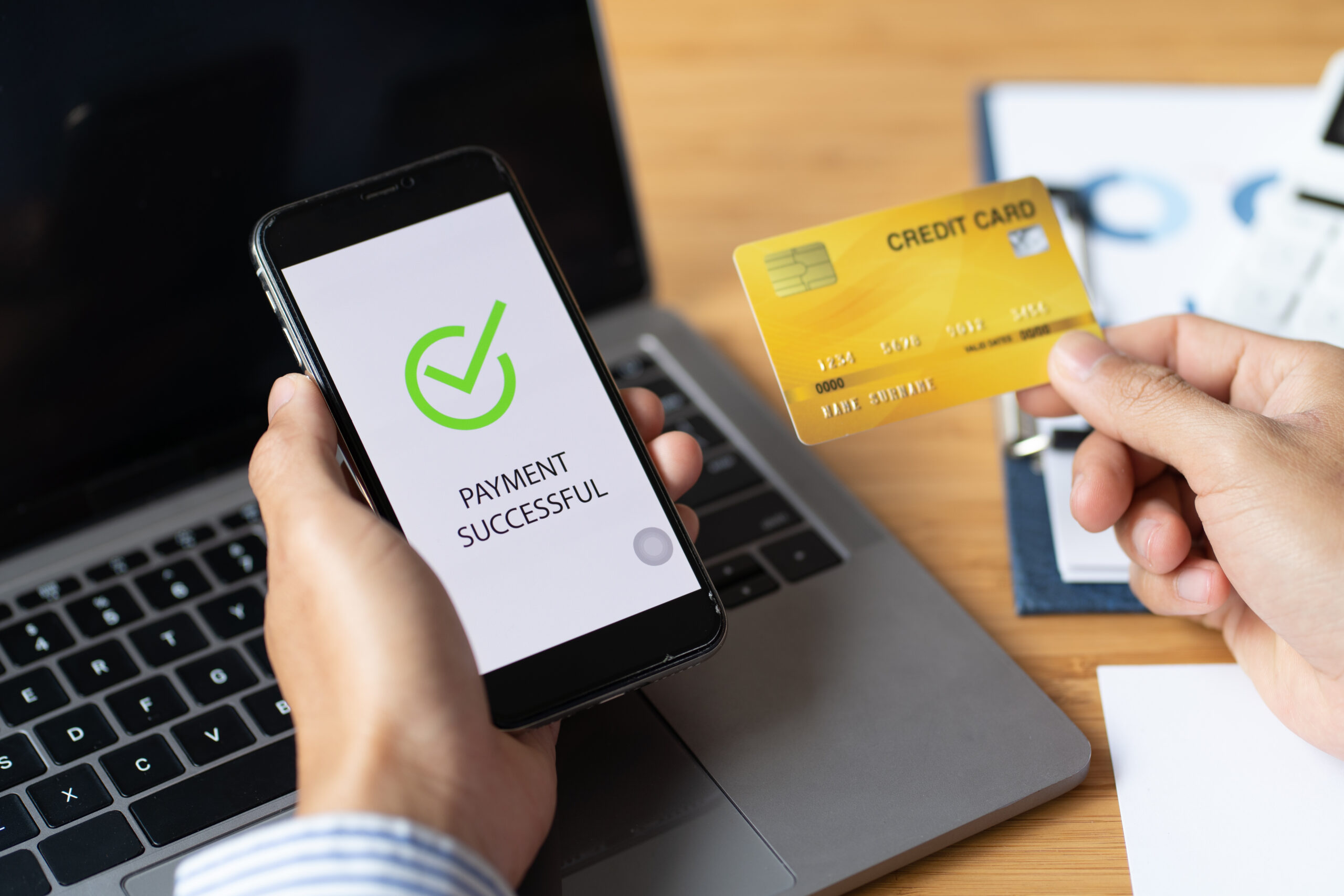
For businesses looking to open up to global markets, preferring e-export offers great opportunities. However, another issue as important as product, logistics, and marketing is the payment infrastructure. International customers expect to be able to pay quickly, securely, and through various methods when shopping. For businesses, offering the right solutions in terms of e-export payment methods is of critical importance for both customer satisfaction and uninterrupted collection.
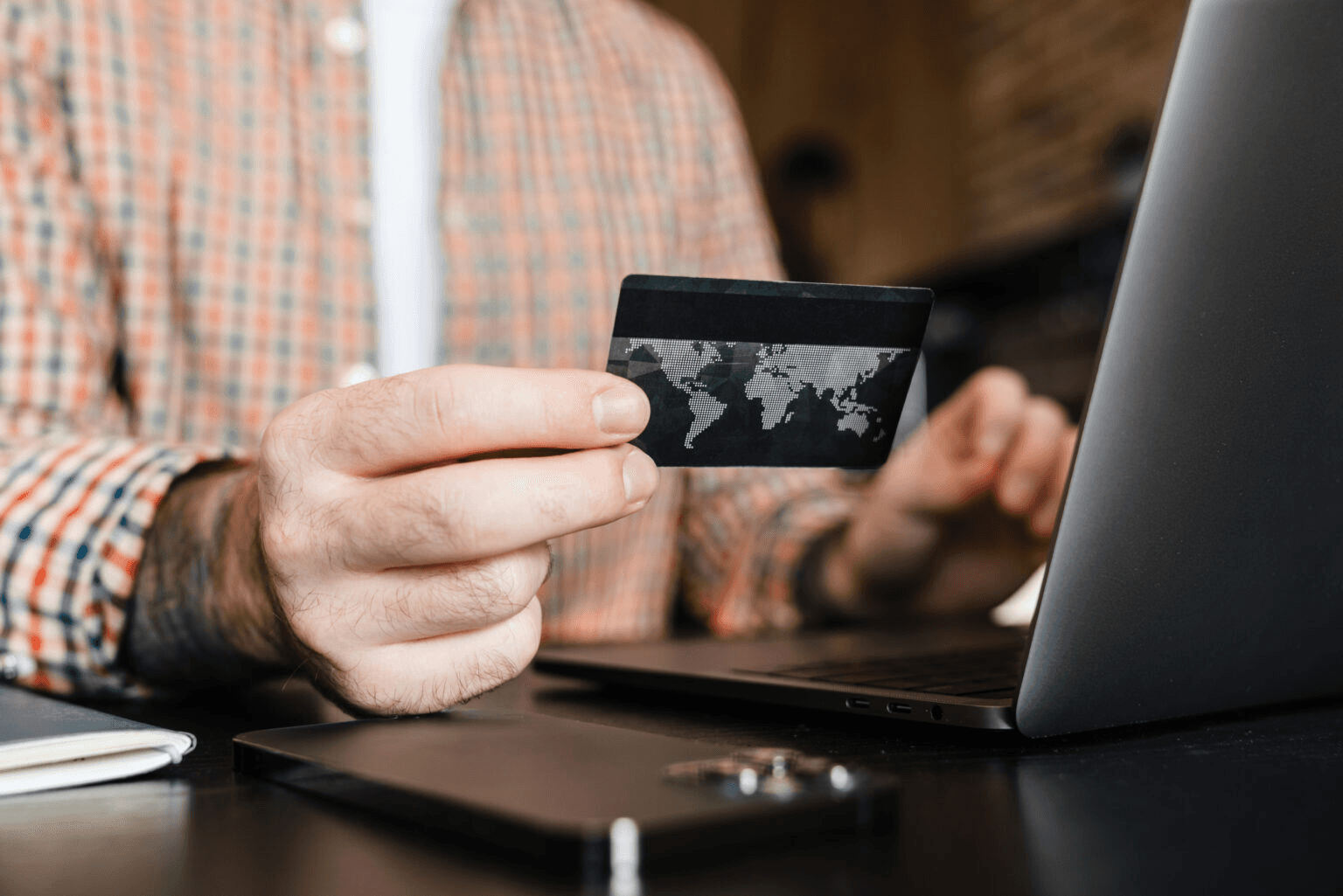
Today, many options are available such as credit cards, virtual POS, e-wallets, bank transfers, and international payment services. Since each method has its advantages and disadvantages, brands need to develop options suitable for their target markets. Additionally, safety, speed, and low-cost factors must be considered in payment infrastructure. If you are also curious about payment methods in e-export, things to consider in international card payments, secure money transfer solutions, the effects of exchange rate fluctuations, costs in payment systems, and security applications, let's take a look at the details together.
Payment Methods Used in E-Export
One of the most widely used methods in e-export is credit card payment. Consumers prefer brands that offer reliable payment infrastructure when shopping in different countries. At this point, the credit card payment option stands out as one of the fastest and most practical methods in the global market. However, with this method, businesses must set up their virtual POS infrastructure correctly.
Another option is the use of e-export virtual POS. Virtual POS works compatibly with international banks, making it easier to receive payments from different cards. It also offers advantages such as automatic currency conversion, multi-language support, and fast transaction approval. This method is critical, especially for e-commerce sites to function smoothly on a global scale.
In recent years, e-wallets (such as PayPal, Apple Pay, Google Pay) and digital payment systems have also stood out among international payment solutions. Consumers find these methods reliable, while businesses enjoy the advantages of fast collection and low risk. Classic methods like bank transfers and SWIFT are still used, but new-generation solutions are preferred more in terms of speed and cost.
Things to Consider in International Card Payments
Although international card payments provide great advantages for e-export businesses, they also bring some risks. The most important issue is security. Card fraud, chargebacks, and fraudulent transactions can lead to revenue losses for businesses. Therefore, a secure payment infrastructure must be established and fraud prevention systems must be integrated.
Another element to consider in card payments is multi-currency support. Customers prefer to pay in their domestic currency. At this stage, using infrastructures that accept multi-currency increases the customer experience for businesses. At the same time, potential problems that could arise during currency conversion are prevented. In addition, transaction times and banks' approval processes are also important in international card payments. Approval rates for cards in different countries may vary. Therefore, working with cross-border payment solutions providers helps businesses increase approval rates and perform smooth collection processes.
Secure Methods in Money Transfer
One of the most important issues for businesses making international sales is the secure transfer of collected payments. Solutions such as SWIFT, Wise, and Payoneer enable businesses to receive payments quickly and securely from different countries. These methods are preferred particularly for their transparency and speed in international money transfer processes.
Although traditional bank transfers are reliable, their long transaction times and high costs can create a disadvantage. Therefore, businesses need to evaluate alternative secure methods. E-wallet-based transfer systems and fintech-based solutions stand out with their low commissions and quick transaction advantages. Furthermore, enabling security protocols in money transfers is essential. Two-factor authentication, encryption technologies, and fraudulent transaction filters secure the business collection process. This builds a reliable shopping experience for both the business and consumers.
Exchange Rate and Exchange Rate Risk Management
One of the most critical issues in e-export is exchange rate fluctuations. In sales made with different currencies in global markets, exchange rate shifts can affect profit margins. Especially in long-term sales strategies, businesses can experience serious losses if exchange rate fluctuations are not managed correctly.
To reduce exchange rate risk, businesses are advised to make fixed exchange rate agreements or benefit from financial instruments. For example, forward transactions or currency hedging contracts help businesses secure their revenues. Thus, sales are minimally affected by exchange rate volatility. In addition, businesses selling with multiple currencies must also set their pricing strategies carefully. Offering transparent pricing to consumers contributes to raising trust. The method of passing currency differences onto the customer plays an important role in international sales growth strategies.
Another important step in exchange rate management is trying to keep the income and expense balance in the same currency. Businesses acting with the same currency in import and export operations can reduce losses that may arise from currency differences. Additionally, opening bank accounts in different countries, diversifying payment providers, and utilizing digital financial tools also help keep risks under control. Thus, businesses make their costs predictable and become more resilient to exchange rate fluctuations.
Commissions and Fees in Payment Systems
Each payment method has different commission rates and expenses. The payment commission rates determined by banks and payment providers in credit card transactions directly affect the profitability of businesses. Optimizing these rates is essential, especially in high-volume sales.
While choosing payment solutions, e-export businesses should consider not only security but also costs. While virtual POS, e-wallet, and fintech solutions generally offer lower transaction costs, traditional bank transfers can proceed with high expenses. Therefore, which method is suitable for which market needs to be analyzed. Moreover, commissions and expenses are not only limited to payment collection. Currency conversion fees, monthly usage charges, and additional service costs must also be taken into account. Businesses can obtain more advantageous rates by negotiating with payment providers. This can make international payment solutions more profitable.
Best Practices for Payment Security in E-Export
Payment security is one of the key elements for long-term success in e-export. Customers trust brands where their personal and financial information is protected. Therefore, businesses must establish a strong infrastructure in line with payment security tips.
SSL certificates, PCI DSS compliance, encryption systems, and two-factor authentication are among the primary solutions that must be implemented for payment security. These applications help prevent both fraudulent transactions and data breaches. Additionally, it is important for businesses to perform recurrent security tests, remain continuously updated against cyber threats, and create transparent security policies for users. All of these steps increase customer satisfaction alongside constructing a secure payment infrastructure. A secure payment system provides a critical advantage that elevates competitiveness in global markets.
Managing e-export payment methods and money transfer processes correctly is indispensable for sustainable achievement in global markets. Various options such as credit cards, virtual POS, e-wallets, and secure transfer solutions offer businesses both flexibility and safety. Controlling exchange rate fluctuations, optimizing commissions and expenses, and constructing secure infrastructures increase profitability. With a well-planned payment strategy, brands can gain trust in international markets, elevate customer satisfaction, and achieve long-term growth.