Summarize this text with artificial intelligence
Choose your preferred tool to generate a short summary of the text.
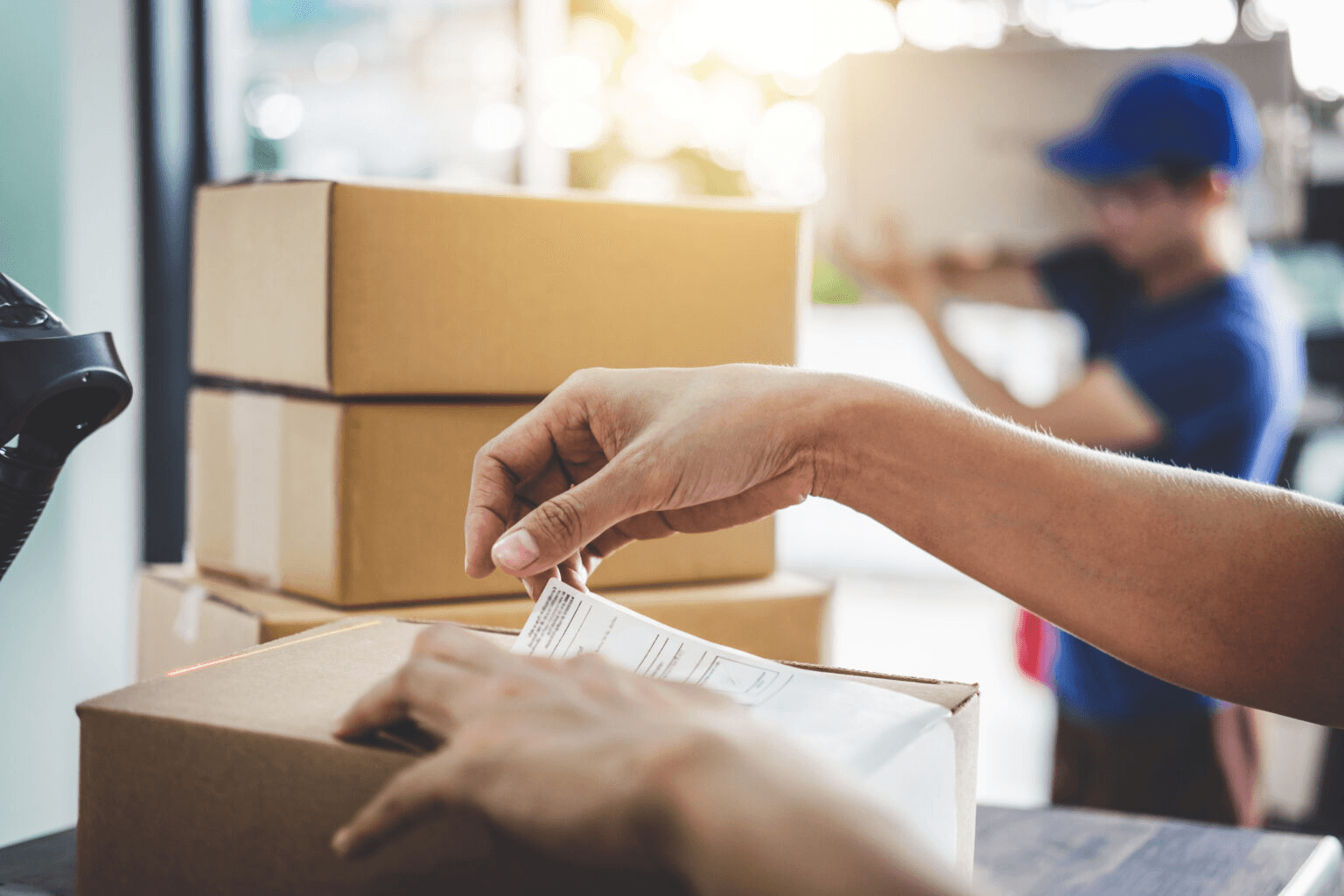
In international trade, having knowledge about customs procedures is of great importance for managing a successful logistics process. When sending cargo abroad, there are various procedures and documents that apply to both the exporter and the importer. Completing customs processes accurately and fully ensures timely delivery of the cargo, preventing additional costs.
To speed up the customs process, acting in accordance with export regulations, preparing the necessary documents completely, and taking advantage of the customs services offered by transportation companies provide a major advantage. If you also wonder how customs procedures are carried out, what documents are required, tax calculation methods, and common problems that may be encountered, let’s take a look at the details together.
Customs Process When Sending Cargo Abroad

When sending cargo abroad, a complete execution of the export process ensures that the products pass through customs without any issues. Factors such as the regulations of the exporting country, cargo type, and cargo value determine how customs procedures will be handled. First, an appropriate carrier company should be selected according to the cargo's mode of transport (road, air, sea) and shipping should be planned. Then, the relevant export declarations and invoices must be prepared and presented to the customs authorities. The customs declaration is an official document containing details of the transported products, and its clearance through customs control is mandatory.
After the customs procedures are completed, the cargo departs from the exporting country and is inspected again when it reaches the customs of the importing country. It must be processed in accordance with the taxes and tariffs of the importing country. Some countries may request additional documents for specific product groups. Therefore, the target country's customs policies should be researched in advance.
Required Customs Documents and Paperwork Procedures
Specific documents are required in export and import procedures for customs processes to proceed smoothly. Each country may have different regulations, but in general, the most frequently requested documents are:
• Commercial Invoice: Contains details such as description of the product, quantity, value, and recipient information.
• Packing List: Shows the contents of the products in the cargo, their packaging style, and their weights.
• Customs Declaration: An official declaration form submitted to customs, which is mandatory for export and import processes.
• Certificate of Origin: Shows the country where the product was manufactured and is mandatory for some countries.
• Bill of Lading / Air Waybill: A document issued by the carrier company stating that the product has been transported.
• Insurance Policy: If cargo insurance has been obtained, this document shows that the products are safe during the transportation process.
How Are Customs Duties Calculated?

As one of the most important cost items in international trade, customs duties vary depending on the country of origin of the shipped product, the customs tariffs of the importing country, and the type of product. Each country shapes its national economic policies by applying different rates of customs duties and additional taxes to imported products. These taxes are generally applied to balance imports, protect local manufacturers, and increase government revenues. Therefore, it is of great importance for exporting companies to research the customs regulations and import procedures of the target market in advance.
One of the most important factors in calculating customs duty is basing it on CIF (Cost, Insurance, and Freight) or FOB (Free on Board) values. While the CIF price includes insurance and transport costs in addition to the product cost, the FOB price only covers the product cost. Countries determine which price type they will calculate the tax on according to their own import policies. Alongside this, the tax rate set through the product's customs code (HS Code - Harmonized System Code) is applied. The HS Code, as an international system that enables the classification of products, may vary according to the importing country.
Furthermore, additional taxes such as VAT (Value Added Tax) and, in some countries, SCT (Special Consumption Tax) may also be applied in addition to customs duties. Depending on the value, category, and usage area of the imported product, different additional costs may apply. In particular, under free trade agreements (FTAs), customs duty exemptions or low tax rates may be applied to imports from certain countries. Therefore, companies must study trade agreements, tax rates, and legal regulations in the target market before exporting. Official customs sites and professional logistics companies are the most reliable sources for keeping track of current tax rates and import rules.
Common Problems Enocuntered in the Customs Process
One of the most common problems encountered in the customs process is missing or incorrect required documents. Missing documents such as commercial invoices, bills of lading, certificates of origin, or customs declarations can cause delays in customs procedures and incur additional costs. Consignments with missing documents are held at customs, or their departure is not permitted until the relevant paperwork is completed. On the other hand, documents containing incorrect or inconsistent information can also negatively impact the customs process. For example, registering an incorrect invoice value or product descriptions not complying with the coding system of the importing country can lead to prolonged customs examinations and additional inspections. To prevent such errors, it is necessary to work with professionals who are experts in customs regulations and to ensure that all documents are prepared accurately and fully.
Another important issue is the incorrect calculation of customs duties and fees. Imprecisely or incorrectly determined tax rates can lead to unexpected additional costs, reducing the profitability of commercial activities. Factors such as HS Code (Harmonized System Code) practices that change between countries and free trade agreements can directly affect tax rates. Additionally, some countries may apply import restrictions, not allowing the entry of certain products, or requesting extra licenses and certificates. For example, in sectors such as medicine, cosmetics, food, and electronics, specific quality standards and permit certificates may be mandatory. To prevent such risks, the customs regulations of the country to be exported to must be researched beforehand, and all processes should be planned in compliance with international trade rules.
Ways to Speed Up Customs Processes
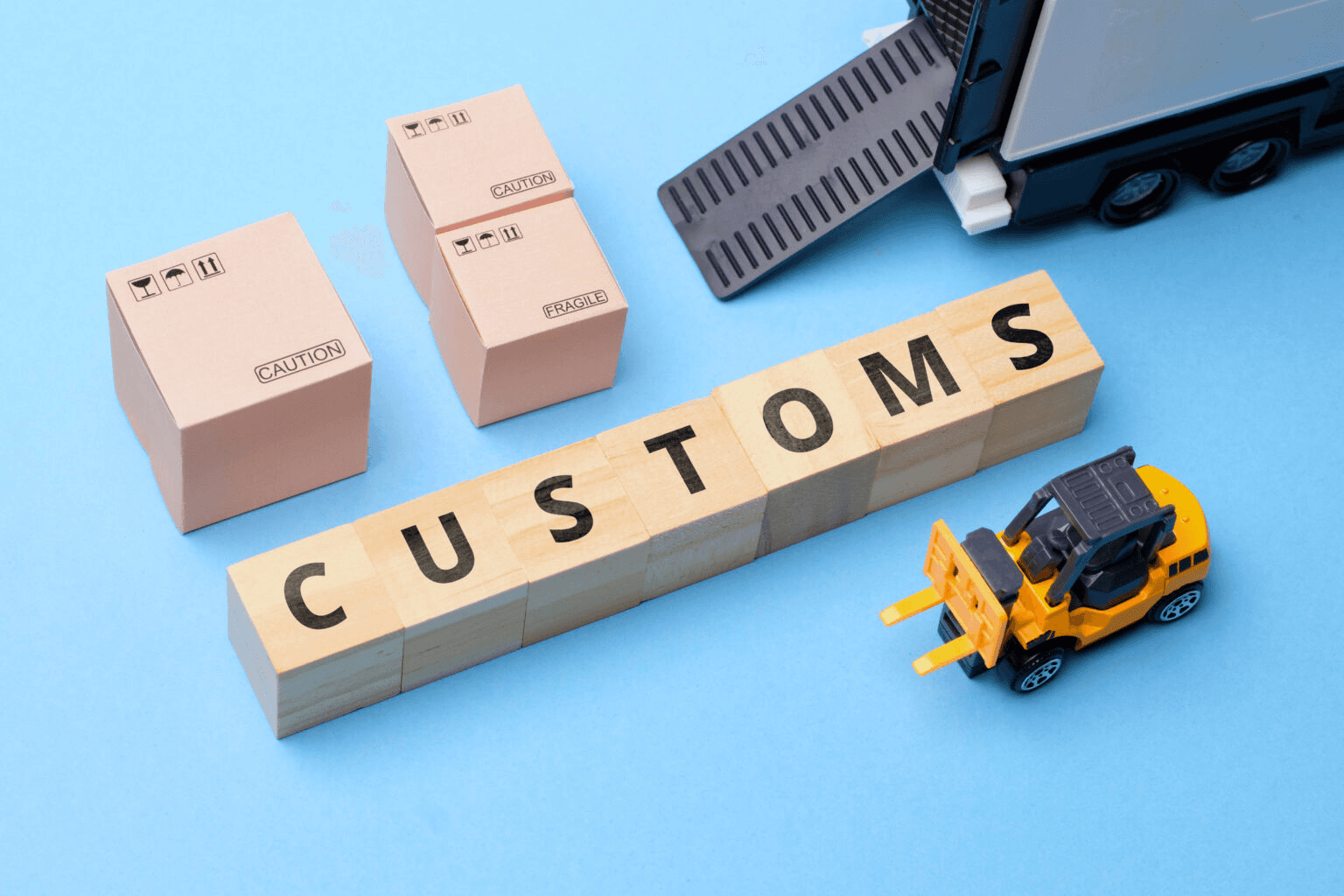
Digital customs systems (E-Customs) are becoming increasingly widespread to speed up customs processes. Many countries shorten processing times by using systems that allow customs declarations to be submitted electronically. Thanks to electronic customs, import and export transactions can be tracked digitally, document completeness can be ensured, and manual processing errors can be minimized. Additionally, pre-planning and automating customs controls help speed up cargo flow. Digital systems offer a great advantage for smooth progress of the customs clearance process, particularly for businesses engaged in high-volume trade.
In addition to this, working with authorized customs brokers ensures that the process moves forward without errors. A professional customs broker can prevent delays and additional costs that may occur at customs by helping prepare all required documents extensively. Furthermore, some carrier companies allow products to be delivered faster in the target country by ensuring that import taxes are paid in advance. This method provides an advantage especially for products requiring fast delivery, while also preventing the importer from facing tax surprises. By combining digital solutions and professional support services, businesses can manage customs processes more effectively using guides, thereby gaining a competitive advantage in international trade.
Customs Services of Cargo Companies
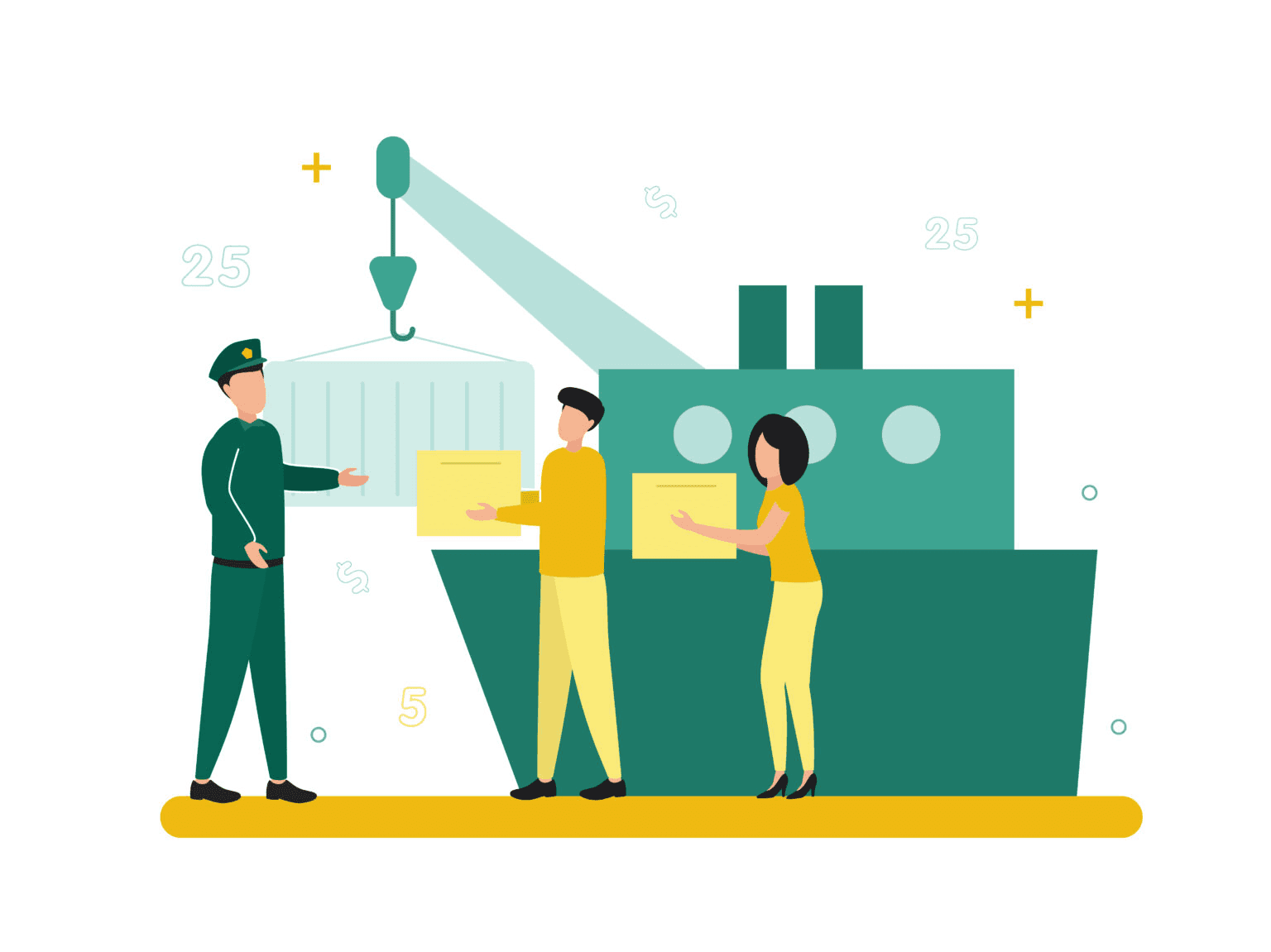
Many international cargo companies offer additional services to make managing customs processes easier. Some of the prominent logistics companies are:
• DHL Express: Offers fast delivery and automated customs services.
• FedEx International Shipping: Provides digital documentation and online tax calculation capabilities for customs clearance.
• UPS Customs Brokerage: Offers customs brokerage and trade consultancy services.
• TNT Express: Offers expedited customs services and solutions that facilitate imports and exports.
By working with the right logistics company, you can manage customs processes in international shipments in the most efficient way. Navlungo gives your business an advantage with fast and reliable customs services that simplify your export and import processes. You can carry out your product shipments abroad smoothly with digital logistics solutions, professional customs consultancy, and cost-effective transport options. Meet Navlungo, optimize your logistics processes, and gain a competitive edge in the global market!