Summarize this text with artificial intelligence
Choose your preferred tool to generate a short summary of the text.

E-commerce has become one of the most popular areas today where entrepreneurs can start a business with low costs. In particular, the question of how to start dropshipping is among the most researched topics by those who want to jump into trade from scratch. Doing dropshipping on a giant platform like Amazon stands out as one of the most practical ways to open up to global markets. However, success in this business model is possible not just by opening a store, but by following correct step-by-step strategies. If you are curious about all the details from the store setup process to product selection, sales strategies to common mistakes, moving forward in the form of a step-by-step Amazon guide for beginners, you can keep reading.
What to Know When Starting Amazon Dropshipping
Before starting to do dropshipping on Amazon, it is necessary to understand the basic logic of this business model. Dropshipping is based on the seller shipping products directly from the supplier to the customer without keeping inventory. In other words, it offers the opportunity to do e-commerce without warehousing and inventory costs. However, this convenience brings with it rules and risks that must be considered. In particular, Amazon's dropshipping policies define the frameworks that sellers must comply with.
One of the most important things beginners should know is the importance Amazon places on customer experience. Amazon requires orders to arrive on time, products to be listed correctly, and customer service to be executed flawlessly. The accounts of sellers who do not comply with these rules can be suspended. This is why taking beginner-level dropshipping training or reviewing Amazon's Seller Central resources is very beneficial in the first step. Additionally, when dropshipping on Amazon, sellers must present products under their own brands. Suppliers' invoices or logos cannot be included in the package. This is a point frequently overlooked by beginners. Monitoring the reporting tools and sales metrics provided by Amazon is critical to maintaining account health.
Step-by-Step First Store Opening

The first step for those who want to do dropshipping on Amazon is the Amazon store setup process. First, it is necessary to open a seller account. Amazon offers individual and professional seller accounts. It is generally recommended that those who want to do dropshipping choose a professional seller account because this account type allows listing more products and access to advanced tools.
When opening an account, documents such as identity information, bank account details, and tax number are requested. It is important to enter all information correctly and completely during this process. Incorrect or incomplete information can delay the opening of the account or lead to its rejection. Therefore, it is recommended that sellers prepare their documents in advance.
After the store opening is completed, sellers must configure their store settings correctly. Shipping policies, return conditions, and customer communication preferences should be clearly defined. This stage ensures the store looks reliable. New sellers choosing customer-oriented policies increases their chances of sales. In the final stage, store visual optimization is done. The store logo, introductory texts, and category arrangements should leave a professional impression. It should not be forgotten that competition on Amazon is very high, and a trust-inspiring store design is one of the reasons of preference for buyers.
Product Selection and Supplier Finding Methods

The most critical stage in the dropshipping model is choosing the right product and finding reliable suppliers. The answer to the question of how to sell the first product on Amazon actually begins with proper product research. Products with high demand, moderate competition, and appropriate profit margins should be chosen. Amazon Best Sellers list, Google Trends, and product research software can help in this process.
The most important criteria to consider in supplier selection are delivery time, product quality, and communication. A reliable supplier increases both customer satisfaction and protects the seller's account health. It is risky for beginners to depend on only a single supplier. Therefore, working with alternative suppliers is important.
Amazon supplier selection criteria also include the product being original and not on the list of prohibited products. Selling fake or unlicensed products can lead to the suspension of the seller's account. Therefore, supplier research must be carried out meticulously. Finally, the importance of niche markets in product selection is huge. Competition can be very high in main categories, but niche products provide an advantage due to low competition and a loyal customer base. This is one of the most effective ways to rise quickly for those who want to do e-commerce from scratch.
Sales Strategies on Amazon
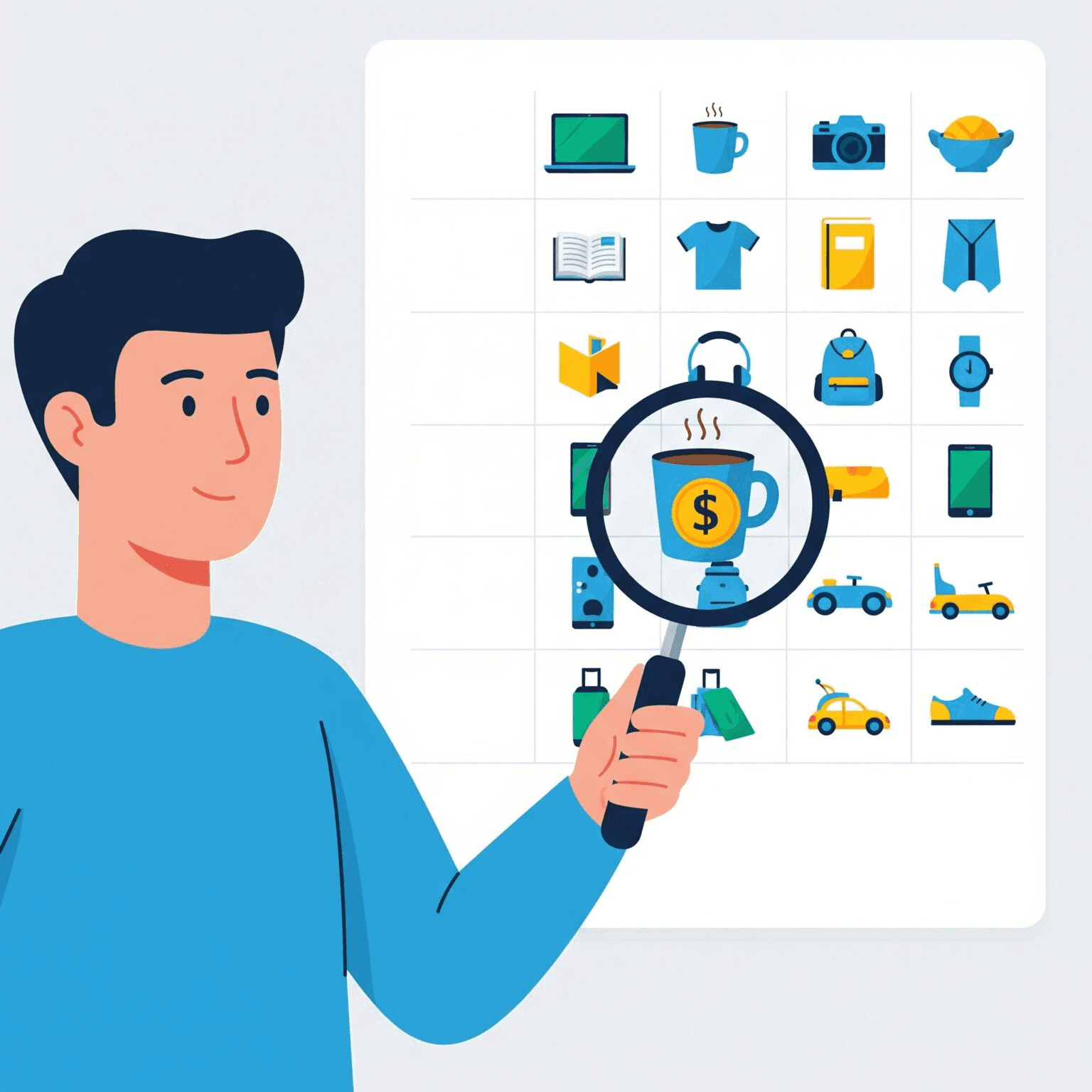
To have a successful dropshipping store, it is necessary to develop effective sales strategies. SEO-compatible product listings rank first among entry-level online sales strategies. Using the correct keywords in product titles increases the visibility of the product in search results. In addition, technical details and customer benefits should be included in product descriptions.
Amazon advertisements also play an important role in sales strategies. Sponsored Products and Sponsored Brands campaigns allow beginner sellers to feature their products. When targeted correctly, these ads can provide high returns with a low budget.
Customer reviews should also be at the center of sales strategies. Positive reviews increase the trust of new customers. Therefore, it is helpful to communicate with the customer after the sale and politely encourage them to leave a review. Finally, pricing strategy directly affects sales performance. A very low price reduces the profit margin, while a very high price can lead to customer loss. Pricing by doing competitive analysis is the most ideal method. At this point, automated repricing software can be used.
Common Mistakes Made by Beginners
One of the biggest mistakes beginners make in dropshipping is starting to list products directly while ignoring Amazon's policies. Incorrect category selection, incomplete descriptions, and faulty pricing reduce the visibility of the product. Therefore, sellers need to acquire knowledge about listing optimization.
Another common mistake is working with only a single supplier. In cases such as stockouts or price increases, the seller is left in a difficult situation. Working with alternative suppliers reduces these risks. Additionally, stating delivery times incorrectly or causing shipping delays results in customer complaints. Beginner sellers often neglect customer communication. Not responding to negative reviews or giving late responses to customer inquiries damages store credibility. However, establishing quick and professional communication with the customer gains positive reviews in the long run.
Many new sellers focus on short-term gains and neglect building a brand. However, for long-term success, store identity, professional visuals, and brand registration are of great importance. This allows the seller to stand out from competitors and develop a sustainable business model.
When implemented with the correct strategies, Amazon dropshipping offers great opportunities for beginners. However, to be successful in this business model, it is necessary to answer the question of how to start dropshipping by progressing step-by-step. Every stage, from store opening to product selection, supplier choice to sales strategies, must be planned carefully.
A step-by-step Amazon guide for beginners can be a guiding resource for entrepreneurs. Sellers who protect their account health, work customer-oriented, and are open to continuous learning will succeed in the long run. With correct planning, the answer to the question of how to sell the first product on Amazon can turn into a sustainable e-commerce business model.