
Summarize this text with artificial intelligence
Choose your preferred tool to generate a short summary of the text.
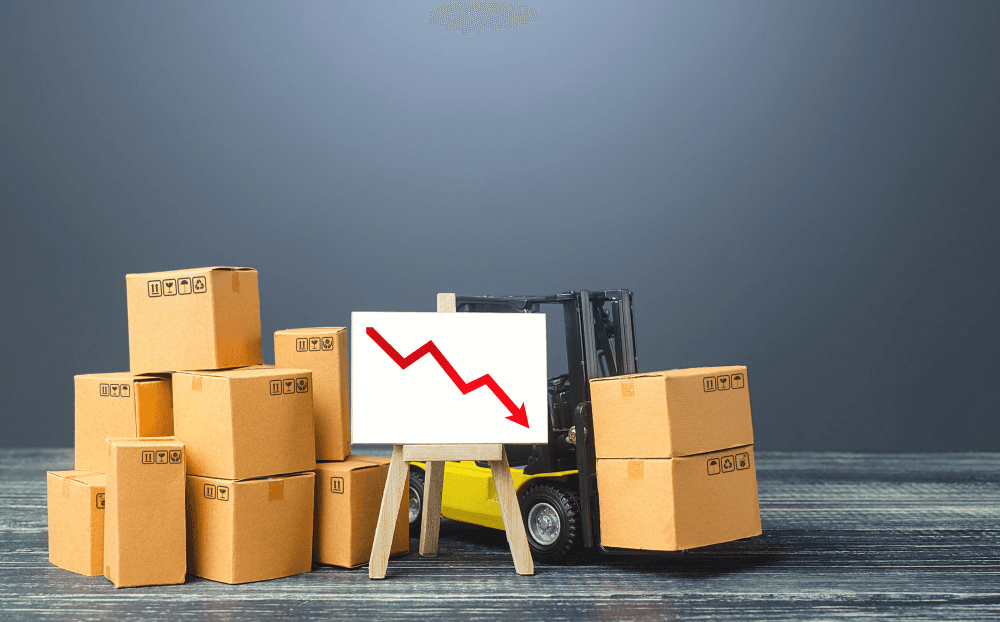
Today, companies need to have effective inventory management strategies. However, most businesses or companies may encounter a problem called dead stock. Dead stock can negatively affect your business's profitability.
In addition, it can reduce your competitiveness. Even the most cautious businesses can encounter dead stock problems from time to time. That is, effective inventory management helps both run a successful business and increase your sales.
Thus, you can increase the efficiency of your business. In this content, we will explain what dead stock is and what you should do to prevent it. So let's get started! 🙃✍️
What is Dead Stock?
Dead stock refers to products in a business's or company's inventory that have been waiting for a long time and are no longer in demand. These products become a burden for businesses.
Because dead stock causes problems such as holding costs, loss of value, and inefficient capital use. Additionally, dead stock occupies your storage space. This can prevent the storage of fast-moving products.
For example, let's say you have a clothing store. After the winter season ends, you may still have winter coat inventory, and consumers may shift their shopping to the spring season. These unsold winter coats can become dead stock. 👈

What are the Damages of Dead Stock to Your Business?
Dead stock Harms your business. You need to move forward by knowing these damages in detail. So let's discover the damages that dead stock causes to your business.
• Dead stock increases the financial burden of your business. That is, it prevents the effective use of your business's capital. You cannot invest your money tied up in these products in faster-moving products. On the other hand, you have to deal with the storage costs, insurance, and security expenses of the products waiting in stock. For this reason, you should know your consumers well. Thus, you can proceed by making demand forecasting. At the same time, you should perform inventory analysis. You should also take care to research the inventory cycle time.
• It causes a loss of value. When you do not proceed with inventory control, you reduce the value of your products. That is, dead stock causes a loss of value. Especially industries like fashion and technology change rapidly. This reduces the demand and lowers the value of old products. In other words, inventory tracking needs to be performed regularly. Thus, inventory efficiency can be increased. However, inventory effectiveness and supply processes must be managed professionally.
• Product damage can occur or products can expire. When supply chain optimization is not done properly, you may have to deal with dead stock. Of course, supplier performance is also very important. You should take care to work with professional suppliers. Thus, inventory management systems can be improved. Inventory turnover rate also needs to be controlled. You should try to establish a team dealing with dead stock reporting. Especially products with limited shelf life cause an increase in dead stock.
• Storage space issues can arise. Dead stock occupies your business's storage space. Limited storage space can restrict your business's growth potential. In other words, it can reduce your operational efficiency. For example, overstocking increases storage costs. On the other hand, understocking can cause you to fail to meet demands and lose customers.
• It negatively affects cash flow. In other words, dead stock negatively affects cash flow, preventing you from expanding and marketing your business. This can also reduce your brand reputation because you cannot promote your business. It can also cause your brand awareness to decrease. For this reason, you need to know your target audience very well.
Why Does Dead Stock Occur?
The reasons behind the formation of dead stock can be quite varied. Also, its effects can vary from business to business. Here are the main reasons why dead stock occurs.
• You buy or produce more products than necessary. Even if your sales are weak, you face dead stock and low profit margins.
• You have a weak inventory management system. You need to have effective systems for inventory management and tracking. For example, poorly managed delivery lead times create dead stock. That is, businesses need to have an effective inventory management strategy. At the same time, demand analysis must be done correctly.
• You sell trend or seasonal products. Seasonal and trend products can change rapidly. Because consumer tastes change and the season ends.
• You make incorrect demand forecasts. Accurate demand forecasting is one of the building blocks of inventory management. However, incorrect demand forecasting can increase dead stock.
• Your sales and marketing strategies are ineffective. Effective marketing and sales strategies allow your products to be in demand. This prevents the formation of dead stock.
• You encounter product defects and quality issues. Defects in the production process and quality issues can cause the formation of dead stock. That is, you should pay attention to the quality of your products. In addition, you should take care to offer defect-free products to your customers.

How to Prevent Dead Stock?
Businesses must know how to prevent dead stock in order to be successful. So, how is dead stock prevented? Here are the details that will enable you to prevent dead stock.
1. Improve your sales and marketing strategies
Effective sales and marketing strategies improve the demandability of your products. However, you must make sure you reach the right target audience. You should use effective marketing channels. In other words, you should guide customer demands by applying professional sales techniques.
You should know well what your customers want. Therefore, you should conduct customer surveys. In addition, you should not ignore conducting market research. You should gather feedback from your customers about your products. Thus, you can have information about changing requirements and decreases in product quality. 👈✍️
2. Improve supply chain partnership
You should take care to progress by improving your supply chain partnership. You should share demand forecasts by communicating with suppliers regularly. At the same time, you should optimize inventory forecasts and delivery lead times.
On the other hand, you should use collaborative inventory management and supplier development programs with suppliers. Thus, you can improve inventory management. 💪
3. Take care to ensure products are of high quality
Quality issues cause you to lose customers. In addition, your sales and revenue may decrease. If your customers are not satisfied with your products, they may stop shopping from your store.
Before mass production or placing wholesale orders, you should pay attention to ensuring your products are of high quality. That is, your products should be flawless. For this reason, you should establish quality control processes. 👈
4. Optimize your inventory levels regularly
Optimizing inventory levels regularly prevents dead stock. Thus, you do not experience problems in meeting customer demands. You should consider details such as demand, delivery, and inventory.
In other words, you should keep your stock levels at the correct level. In short, optimizing inventory levels regularly increases capital efficiency. This reduces the amount of products waiting in stock. You should take care to prevent excess product stock. 👈✍️
How Do You Get Rid of Dead Stock?
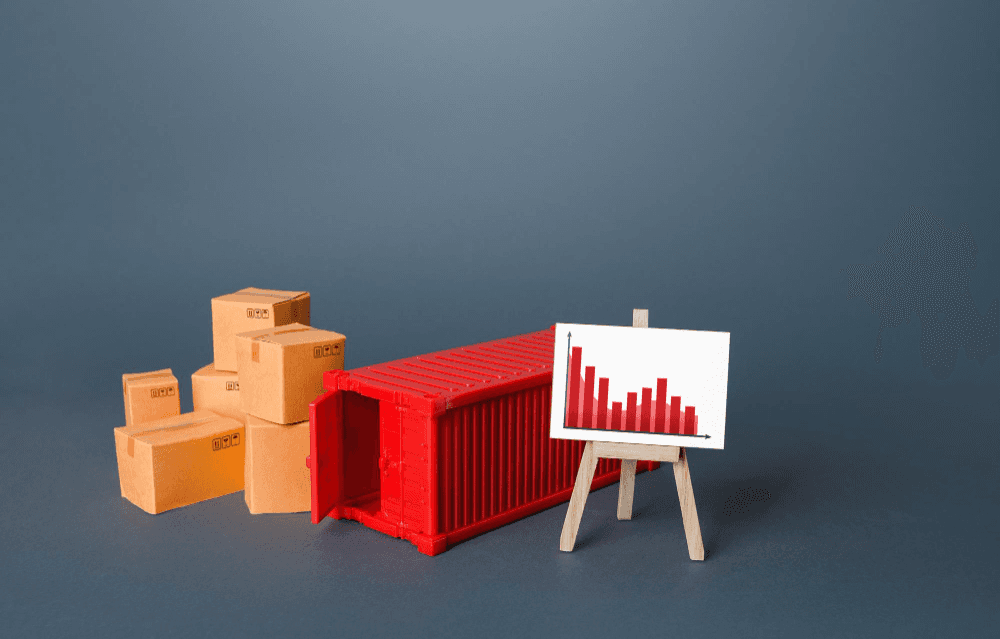
Dead stock can limit the growth of businesses. At the same time, it can negatively affect profitability. However, it is possible to overcome this situation. So, let's examine how you can get rid of dead stock!
• You should start by analyzed your dead stock carefully.
• You should try to sell your dead stock on marketplaces like eBay.
• You should donate your dead stock to charities.
• You should offer discounts and promotions to your customers on dead stock.
• You should sell your dead stock to different businesses and wholesalers.
• You should use dead stock through recycling and repurposing.
• You should develop a good inventory management strategy.
• You should offer dead stock as gifts to your customers.
Getting rid of dead stock is an important detail for every business. We hope that the information we mentioned here allows you to manage your dead stock professionally and increase your business's performance. We wish you many sales!