Summarize this text with artificial intelligence
Choose your preferred tool to generate a short summary of the text.
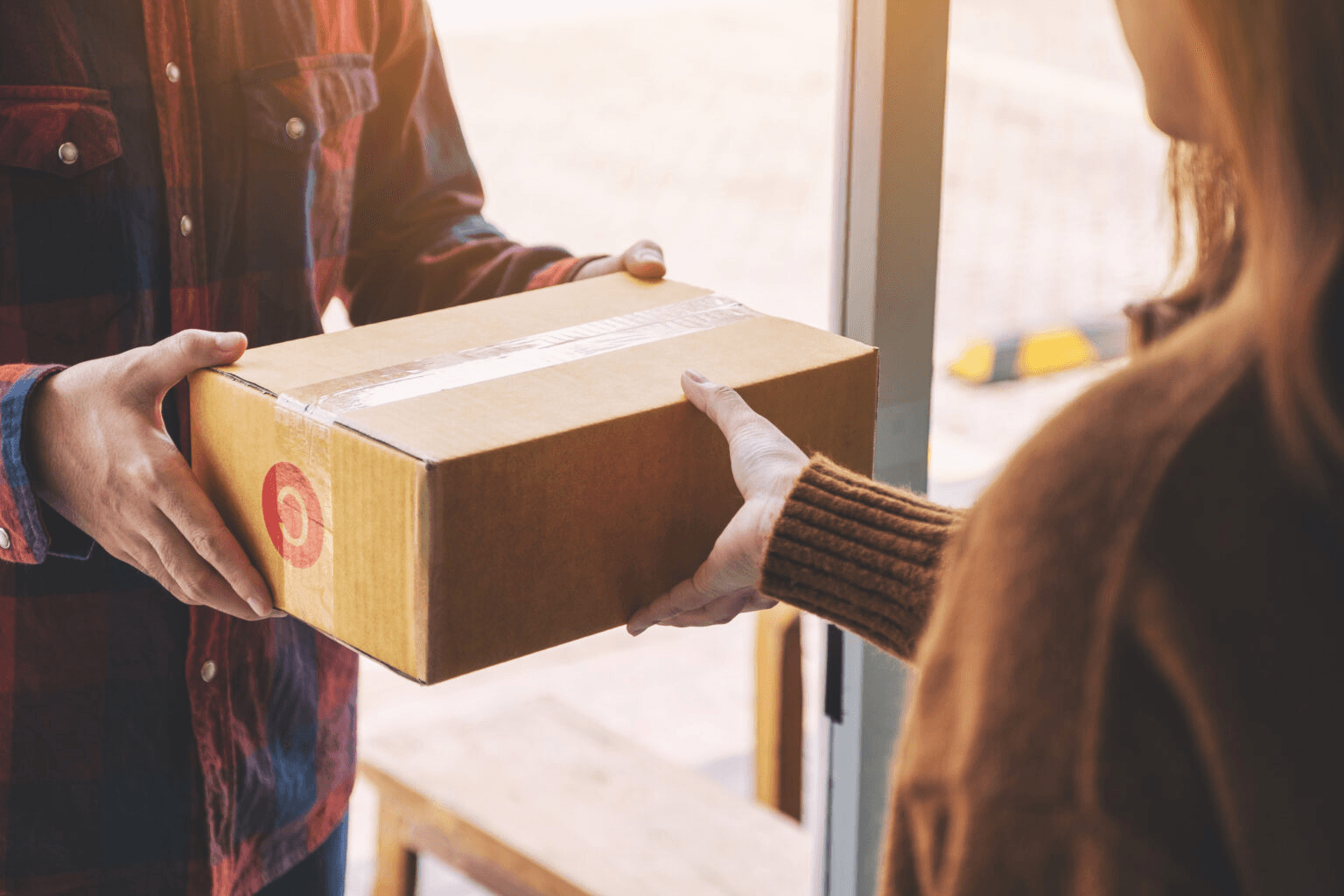
While growth in the e-commerce sector continues rapidly, one of the biggest operational challenges that companies face is high product return rates. This situation is not limited only to cost increases. At the same time, it causes customer satisfaction to drop, the brand image to be damaged, and inventory management to be disrupted. Fortunately, it is possible to reduce the product return rate in e-commerce.
With the correct strategies and user-oriented solutions, businesses can both increase their profitability and establish a loyal customer base. By paying attention to some details, you too can make the return process more efficient and the customer experience more satisfying, with steps that can be taken in many stages, from product descriptions to logistics processes.
Provide Accurate and Detailed Product Information
One of the fundamental reasons for product return rates is the difference in expectations between the product the customer ordered and the product they received. To minimize this difference, providing detailed and accurate information in product descriptions is of critical importance. The technical specifications, dimensions, material, and areas of use of the product must be clearly stated. In this way, customers can be prevented from misunderstanding or ordering with missing information.
Offering comprehensive size guides for products that can vary, such as fit, size, and color, prevents ordering the wrong product. In the clothing and footwear categories, returns made by customers due to size mismatch can be reduced in this way. Adding size recommendations along with user reviews to product information creates more realistic expectations. Furthermore, visual content should also support product descriptions.
High-quality photos of the product taken from different angles and short promotional videos allow the customer to get a clearer idea of the product. Realistic visuals significantly reduce returns resulting from inconsistency with expectations.
Build Trust with a Transparent Return Policy
The vast majority of customers review the return policy before making a purchase. Therefore, offering a transparent, understandable, and easily accessible return policy increases customer trust. Clearly stating all details such as return duration, conditions, and shipping fees facilitates the shopping decision and reduces the perception of risk. Offering free or unconditional return options creates a positive experience from the customer's perspective. Studies show that such policies strengthen the consumer's loyalty to the brand. In addition, offering an easy return process increases the likelihood of the customer shopping again.
Return policies affect not only customer satisfaction but also the operational processes of the business. Standardized and automated return processes ensure that returns are evaluated quickly. In this way, both customer satisfaction is increased and operational efficiency is achieved.
Strengthen Logistics and Packaging Processes

Products arriving damaged is one of the most important reasons for the return rate. Therefore, maximum care should be given to the packaging process. Products should be packed in a way that prevents damage during transport, and they should be sent with protective materials, appropriate boxes, and stabilizing supports. Protective materials such as bubble wrap and styrofoam should be provided, especially for fragile products.
Furthermore, the choice of shipping company is also of great importance. Working with reliable logistics partners ensures that delivery takes place on time and without problems. Services such as insured transport, live cargo tracking, and delivery by appointment lower the risk of return by improving the customer experience.
The accuracy of order management systems is also an important part of logistics processes. Sending the wrong product or delayed deliveries lead to customer dissatisfaction. To minimize such errors, automated control mechanisms should be set up, and pre-shipment checks should be done carefully.
Enrich Customer Experience

In e-commerce, customer loyalty is built not only by the quality of the product, but by the entire shopping experience. To enrich this experience, a personalized service can be offered to the customer. For example, adding small gifts, handwritten notes, or discount coupons special for the next purchase to the order package allows for an emotional bond to be established with the brand. On the other hand, producing fast solutions to customer problems with live support services increases the satisfaction level.
The live support system offers the opportunity to intervene before a return request is created. Issues such as wrong product choice, late delivery, or fit problems can be resolved with instant communication. Along with this, sample products that give customers the opportunity to try, or virtual try-on features with augmented reality technologies, can also lower return rates. Allowing the customer to have an idea about the product before experiencing it enables them to make the right choice.
Analyze Feedback, Ensure Continuous Improvement

The return process is also a valuable source of feedback for businesses. Each return request points to areas that need to be improved regarding the product or service. Therefore, return reasons should be recorded and analyzed systematically. Especially recurring complaints may point to operational or supply-related issues. Short surveys or feedback forms to be sent to customers after returns help understand the reasons for dissatisfaction.
In light of the obtained data, product descriptions can be updated, size charts can be improved, or supplier changes can be made. Such improvements carry the potential to lower future return rates. In addition, if the return rate in specific product groups is much higher than normal, these products should be kept under scrutiny. If necessary, problematic products can be removed from sale, preventing damage to brand value. The continuous analysis and action cycle keeps the success of the e-commerce operation sustainable.
Track Customers Who Return Frequently
To keep return rates under control, doing customer-based analysis is highly beneficial. Some users may return products frequently out of habit. In order to detect this situation, customer profiles should be analyzed and the behaviors of users who return frequently should be observed. Thus, personalized solutions can be produced in necessary situations.
For example, special guides, shopping advice, or live support referrals can be offered to customers who continuously return products for the same reason. In this way, wrong orders can be prevented, thereby reducing the return rate. Providing a special shopping experience to relevant customers will increase both customer satisfaction and loyalty. In addition, placing certain limits for customers who return frequently can be another measure. Of course, such practices should be done with clear, polite, and transparent communication. Thus, abuse is prevented while customer relations are not harmed.
Encourage Exchanges Instead of Returns with Alternative Solutions
Another way to reduce return rates is to make the exchange option attractive instead of a return. Many customers may actually want to change the size or model of the product instead of returning it completely. To meet this need, user-friendly exchange processes should be designed.
To make the exchange option more advantageous, incentives such as free shipping, fast shipping, or gift coupons can be offered. Such small supports can enable customers to re-evaluate the product instead of returning it completely. It is also advantageous in terms of protecting sales. Campaigns focused on exchanges instead of returns can also be applied. Offers such as "Free shipping on size exchanges" or "10% discount on model exchanges" can ensure that users give up the idea of returning and continue their relationship with the brand.
Lowering return rates in e-commerce not only reduces costs but also builds brand loyalty by increasing customer satisfaction. Many strategies, from providing accurate product information to effective logistics processes, and from analyzing user feedback to providing a personalized customer experience, play a critical role in achieving this goal.
Each business can both increase its operational efficiency and better meet customer expectations by developing strategies suitable for its own sectoral dynamics. Navlungo contributes to the smooth running of e-commerce operations with the invoicing and customs solutions it offers for Turkish companies that want to open up to markets such as the USA and Canada, but do not have a company in these countries.
For e-commerce businesses that want to stand out in global competition, the return process is not just a cost item that needs to be improved, but also a field of opportunity. You too can strengthen your customer relationships and make the brand's reputation in the market sustainable with correctly managed return strategies.