Summarize this text with artificial intelligence
Choose your preferred tool to generate a short summary of the text.

One of the most critical decisions for entrepreneurs who want to sell on Amazon with inventory is whether to sell with or without inventory. These two models differ not only in product procurement and delivery methods, but also in operational processes, customer relations, and profitability rates. While dropshipping, the inventory-free selling method, seems attractive with its low capital requirement and flexible operation, those who sell with their own product inventory can achieve more control and higher profit margins.
When we examine the differences between selling with and without inventory in detail in terms of aspects such as cost, logistics, customer satisfaction, and operational risks, the content will also present practical evaluations showing which type of entrepreneurs each business model is more suitable for. For those aiming to establish a sustainable business on Amazon, the comparison will shed light on the decision-making process.
Key Differences Between Dropshipping and Selling with Inventory
In the dropshipping (inventory-free selling) model, the seller does not purchase the products in advance. When a customer order is placed, the product is shipped directly from the supplier to the customer. The biggest advantage of this model is the low capital requirement and the absence of inventory management needs. Especially for those who are new to e-commerce, it offers the opportunity to make sales without taking financial risks.
On the other hand, the inventory selling model requires the seller to procure and store the products in advance. With this method, the seller has more control over processes such as product quality, shipping time, and packaging. However, a certain amount of capital, warehouse space, and logistics arrangements are required to implement this model. This increases the operational burden and responsibility.
The fundamental difference between the two models lies in operational control and risk distribution. In dropshipping, the risk is more dependent on the supplier, whereas in inventory selling, the risk and responsibility belong entirely to the seller. Therefore, when choosing a business model, the seller's resources and business plan must be taken into consideration.
Which is More Profitable? Detailed Cost Analysis
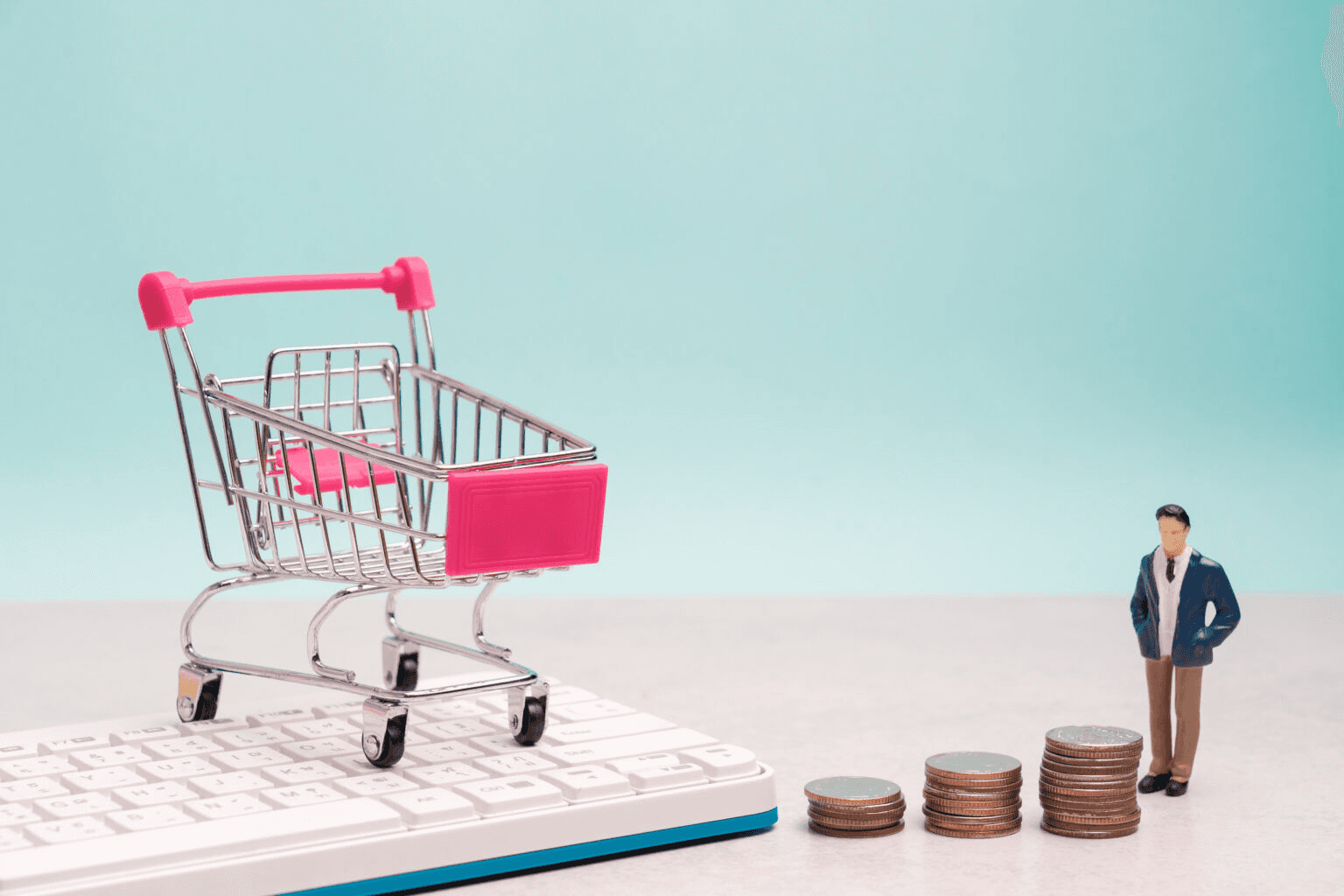
At first glance, costs seem lower in the dropshipping model. Since there are no expenses such as warehouse rent, product purchasing costs, or inventory management, the entry cost is minimal. However, the striking point in the balance of advantages and disadvantages of dropshipping is that profit margins per product are generally low. The execution of the same product by many sellers increases competition and dampens prices.
In the inventory selling model, since products are purchased wholesale, the unit cost is generally lower. This means higher profit margins. Additionally, because the product is in stock, a faster shipping advantage can be offered. This increases customer satisfaction on Amazon. However, additional expenses such as warehouse costs, return operations, and wasted products on Amazon should not be forgotten.
In terms of profit, in the long run, inventory selling can become more advantageous with high sales volume and a strong operational infrastructure. However, the risk of loss is also higher in this model. The answer to the question of which sales model is more lucrative varies according to the scale of the business and management skills.
Also, the profitability of both models can vary greatly depending on the type of product sold and the target market. For example, for a seller focusing on trendy products and seasonal demands, dropshipping can be a more flexible and low-risk option. In this way, the seller can quickly change collections without investing in products that carry the risk of going out of style. On the other hand, for a business active in stable consumer goods or categories suitable for brand development, the inventory selling model can provide more long-term and sustainable profits. At this point, the seller's product strategy and marketing plan also directly affect cost analysis.
Comparison of Logistics, Risk, and Storage Processes
In terms of e-commerce logistics models, dropshipping is highly advantageous. Because the seller does not have to organize the physical movement of the product. Shipment of the product is carried out by the supplier. This saves time, but in cases like late delivery, damaged arrival, or incorrect shipping of the product, it can damage customer satisfaction.
Those who sell with inventory are responsible for every stage of the logistics process. While this means a larger workload, it also provides a control advantage. Especially when Amazon's FBA (Fulfillment by Amazon) service is used, the seller's job becomes easier since the shipping process is handled by Amazon. However, FBA has certain storage and processing fees.
There is also a big difference between the two models in terms of storage. There is no need for a physical warehouse in dropshipping. Since inventory is not held, the risk of wastage is close to zero. However, in inventory selling, there are risks such as the shelf life of products, seasonal fluctuations, and overstocking. If these risks are not managed well, they can cause financial losses.
Shipping times and delivery performance of both models also differ in their impact on the customer. In the dropshipping model, delivery times may be longer as products usually come from overseas suppliers, which can lead to negative feedback on platforms like Amazon where-high delivery expectations are common. On the other hand, in inventory selling, delivery times are much shorter as products are in local warehouses. The advantage of being included in programs like Amazon Prime is only possible in the inventory model. Therefore, the inventory selling model stands out in sectors where logistical speed provides a competitive advantage.
Customer Satisfaction and Delivery Performance

Success on Amazon is largely directly proportional to customer satisfaction. Since those who sell with inventory can check the product quality beforehand, customer complaints are fewer. Additionally, products are delivered faster with FBA, which is received positively by customers. Short shipping times make a difference in reviews and store scores.
For sellers who dropship, managing customer satisfaction is more challenging. Issues like product quality, shipping speed, and packaging depend on the supplier. If the product reaching the customer does not meet expectations, negative feedback is inevitable. Especially when overseas suppliers are used, delivery times may be longer. This negatively affects the customer experience.
Those who sell with inventory are also advantageous in return and customer service processes. While return management proceeds in a more controlled manner, in the dropshipping model, return processes depend on the supplier and can often be complex. For this reason, inventory selling usually sits on a more solid foundation for businesses wanting to build customer loyalty.
Criteria to Consider When Selecting a Business Model
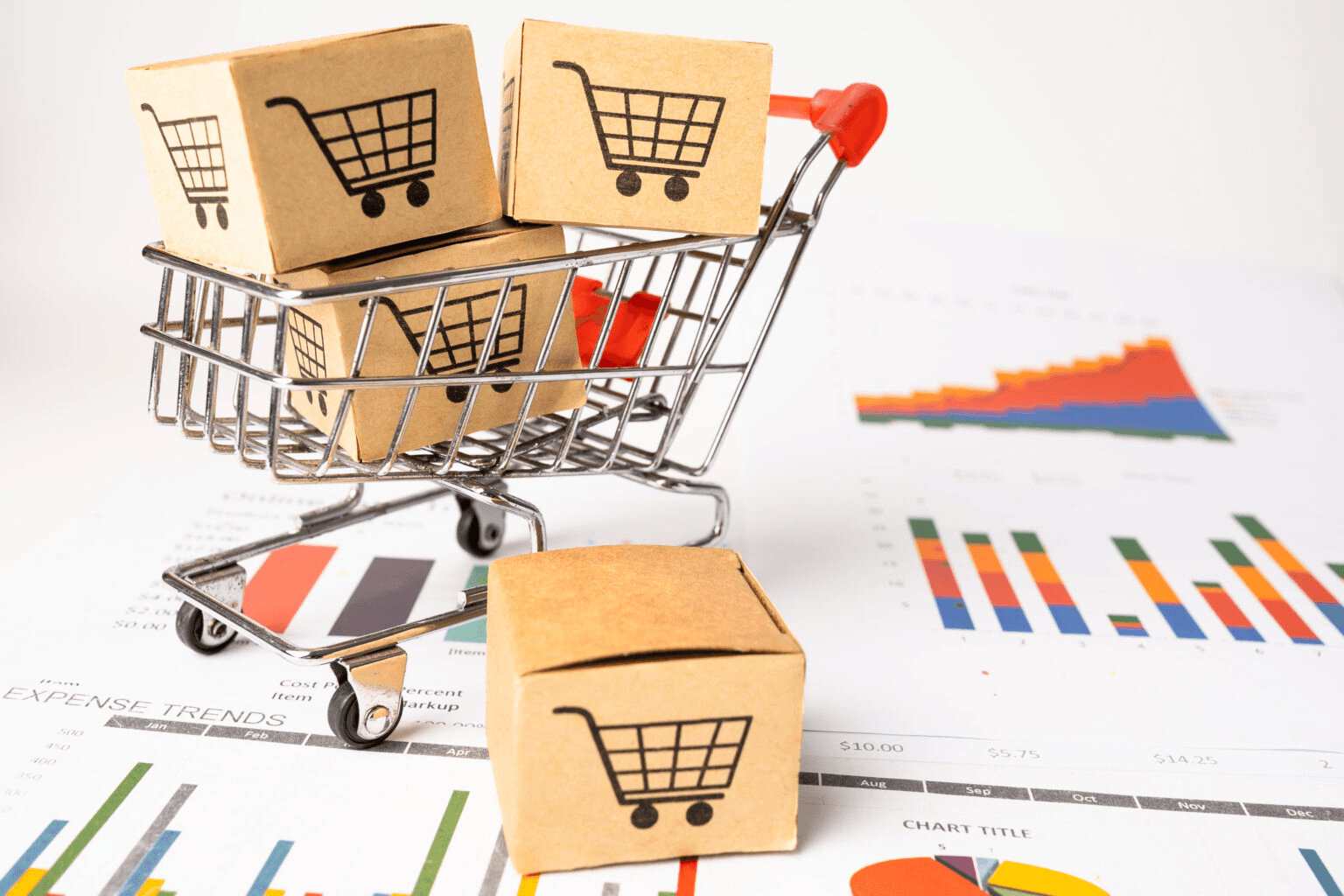
The first element to consider when choosing a business model is the entrepreneur's capital status and risk tolerance. For beginners with low-budget options, dropshipping offers a more suitable starting point. The risk is low, but the growth potential may be limited. For those who want to create their own brand and make long-term plans, the inventory model is more advantageous.
Operational capabilities are also determinant factors in model selection. People who have experience in matters such as logistics, customer services, and stock management can work more efficiently with inventory selling. However, for users who have limitations in knowledge or time in these areas, dropshipping is a more practical and manageable method.
Finally, the target market and customer expectations also directly affect model preference. Sellers who want to appeal to Amazon Prime customers need to offer fast shipping and high service quality. This often makes the inventory selling model mandatory. However, for those who appeal to low-competition markets with niche products, dropshipping can still be a profitable method.