Summarize this text with artificial intelligence
Choose your preferred tool to generate a short summary of the text.
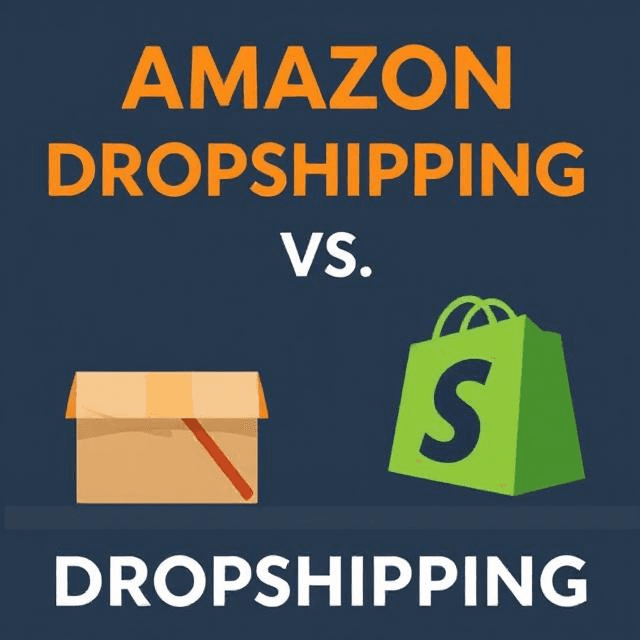
For entrepreneurs interested in e-commerce, the dropshipping model offers a low-risk and flexible start. However, which platform to choose is one of the fundamental determinants of success. Inside, the comparison between Amazon and Shopify will be discussed in detail, from costs to customer acquisition. Understanding the pros and cons of both models is critical for choosing the right e-commerce platform.
Key Differences Between Amazon and Shopify Dropshipping
Amazon dropshipping provides a great advantage for those who want to reach a ready-made customer base. Thanks to Amazon's strong infrastructure, sellers get the chance to make sales without making marketing investments. However, in this system, sellers must strictly adhere to platform rules. This means sales freedom is limited and commission rates are high.
On the other hand, the Shopify dropshipping model offers sellers complete control. You can build your brand identity by setting up your own store and directly managing customer relationships. However, this freedom brings more responsibility. Investing in advertising to drive traffic and increase conversion rates is entirely up to you.
The answer to the question of which dropshipping platform is better varies depending on goals. Those who want to grow in a brand-oriented way can choose Shopify, while those who want fast sales and reach can choose Amazon. At this point, the choice of e-commerce platform must correspond directly with the business model. The dynamics offered by both systems should be carefully evaluated.
Advantages and Disadvantages in Shopify Dropshipping

When examining the Shopify dropshipping guide, the biggest advantage is seen to be brand freedom. Sellers can determine every detail from design to payment system themselves. In addition, owning customer data makes it possible to implement strategies such as email marketing and retargeting. This way, long-term customer relationships can be established.
However, the disadvantages of this model cannot be underestimated. It is very difficult to acquire customers without an advertising budget. Constant investment in channels like Facebook and Google Ads is required. Furthermore, because building trust takes time, reaching the first sale can take longer compared to Amazon. Low initial conversion rates can be discouraging.
The key to success on Shopify is to create a strong digital marketing strategy. It is mandatory to generate traffic through methods such as SEO, content marketing, and influencer collaborations. Using tools in this process is also important: applications like Oberlo and DSers simplify the supply process. When properly set up, Shopify offers the ideal environment for branding.
Pros Offered by Amazon Dropshipping for Sellers
Among the advantages of Amazon dropshipping, the most prominent is that the traffic is ready-made. When you upload products to Amazon, you get the chance to reach millions of potential customers. Additionally, the logistical support offered by the Prime system increases customer satisfaction. This allows sales to be made faster.
The trust environment provided by the platform is a great opportunity for beginners. Purchases made on Amazon are found to be more trustworthy by consumers. Therefore, even if the number of reviews is small, sales can happen. Furthermore, the Amazon algorithm highlights well-optimized products, which provides natural visibility.
However, there are some limitations. Building a brand becomes difficult, access to customer data is limited, and violations of rules can result in serious sanctions. Despite this, Amazon remains an attractive option for entrepreneurs who want high-volume sales in the short term. It is particularly advantageous for those experiencing their first e-commerce experience.
Which Platform Provides More Return with Less Investment?
Although start-up costs in the Shopify dropshipping model seem low, advertising expenses can make the process expensive. Domain name, theme, application, and especially advertising expenses require a significant total budget. The cost per sale can be high, and the initial revenues may be obtained at a late stage. This situation can create difficulties for entrepreneurs with limited capital.
On the other hand, Amazon dropshipping does not require a high budget for marketing other than the store opening fee and commissions. Thanks to the existing customer traffic, your product can find a buyer immediately. However, the commission taken from each sale and the competition in some categories can become costly. Thus, low investment does not always mean high profit.
Therefore, it is necessary to make a careful cost analysis under the heading of Amazon vs Shopify. While Amazon can provide income in the short term, Shopify builds a more solid brand value in the long term. You can decide which is more profitable based on your goals and investment power.
Comparison of Amazon and Shopify Shipping and Logistics Processes
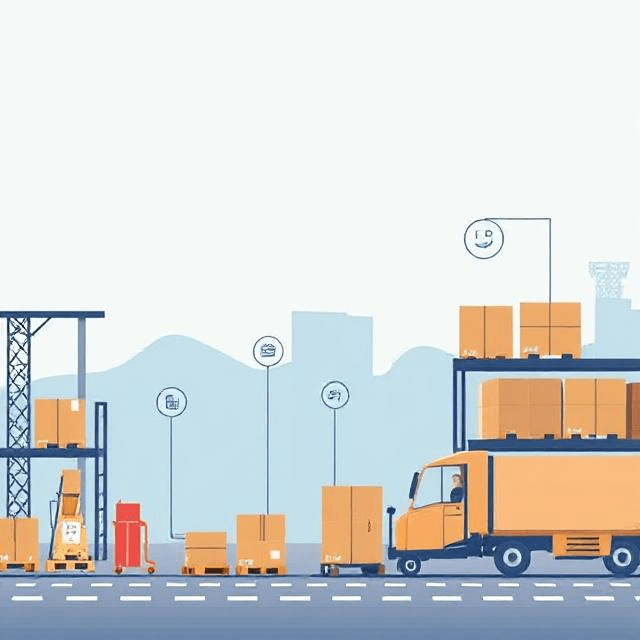
Shipping process differences are an important point of distinction in terms of user experience between the two platforms. Amazon largely takes over logistical processes itself with systems like FBA (Fulfillment by Amazon). This minimizes problems such as shipping delays and packaging. At the same time, fast delivery is made to Prime users.
On Shopify, on the other hand, shipping is entirely the responsibility of the seller. Shipment is made directly from the supplier to the customer, and risks such as delivery time and product tracking can arise during this process. Delivery times can be extended, especially when working with overseas suppliers like AliExpress. This can affect customer satisfaction.
Amazon’s logistical strength offers a great advantage to sellers. However, specific criteria must be met to use this system. Shopify users have more control but also take on more responsibility. Therefore, making a platform choice according to your logistical capacity would be logical.
Impact of Amazon and Shopify in Terms of Customer Acquisition
Amazon provides direct access to products thanks to organic customer traffic. Sellers can generate sales without doing any advertising by optimizing their listings. This holds an important place among the advantages of Amazon dropshipping. Customer acquisition on Amazon is easier within the platform's own system.
On the Shopify side, customer acquisition depends entirely on your marketing skills. You need to attract users through social media, email campaigns, and search engine advertisements. In the long run, you can establish one-on-one communication with these customers and build loyalty. However, advertising investment is needed for the first sales.
When an Amazon and Shopify comparison is made, Amazon yields faster results in the customer acquisition process, while Shopify offers the opportunity to build a more loyal customer base. Is your goal fast sales or long-term brand building? The answer to this question directly affects the platform you will prefer.
Amazon Dropshipping or Shopify? Which Model is Right for You?
If you are just starting out, Amazon might make more sense in terms of low risk and a ready-made customer base. It is easier to start selling, and because user trust is high, the conversion rate increases. However, flexibility is limited since you do not have control of the system. Additionally, Amazon’s commission rates and level of competition can affect profitability over time.
Shopify, on the other hand, is suitable for entrepreneurs who think long-term and want to build a brand. Since you have full control in this model, you have the freedom to develop different marketing strategies. However, in order to sell, you need to build customer traffic from scratch. This requires time and budget. The question of which dropshipping platform is better does not have a single answer. You must decide based on your capital, goals, and area of expertise. Amazon can be the right choice for getting started, and Shopify for growth and branding. Using both strategically is the most ideal approach.